
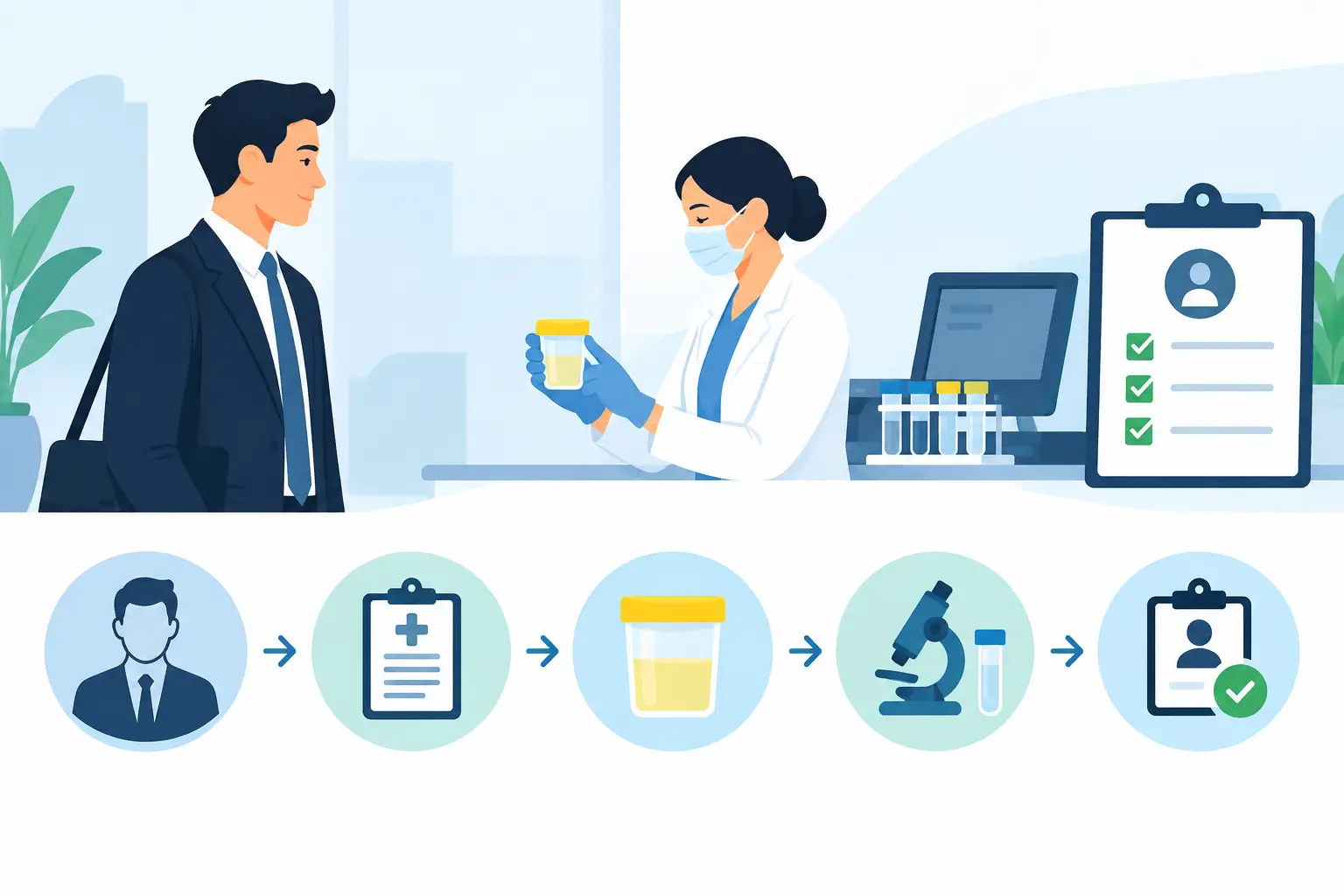
A new hire may be ready to start next week, but they should not be cleared until the pre employment drug screening process is complete, documented, and reviewed under the right policy. For transportation and other safety-sensitive employers, a rushed or inconsistent process can create compliance exposure, delay onboarding, and introduce avoidable safety risk.
The right approach is not simply ordering a test. It is building a repeatable workflow that identifies which rules apply, gives candidates clear instructions, protects confidential information, and documents every decision from offer through final employment status.
Start With the Right Testing Policy
The screening process begins before a candidate is sent to a collection site. Employers need a written policy that states who is tested, when testing is required, what substances or panels are included, how results are handled, and what happens after a verified positive, refusal, or other policy violation.
For DOT-regulated employers, the policy must align with the applicable federal requirements and agency rules. DOT drug testing uses a defined federal testing process and panel. A covered employee must complete a pre-employment controlled substances test with a verified negative result before performing safety-sensitive duties. Pre-employment alcohol testing is not required under DOT rules, although employers may have separate company policies where permitted.
For non-DOT employers, the program should reflect the organization’s job risks, industry requirements, collective bargaining obligations, and applicable federal, state, provincial, and local laws. A policy that works for a cross-border fleet may not work for an office-based employer in a state with specific restrictions on pre-employment cannabis testing.
The key is consistency. Managers should not decide case by case who gets tested or what a result means. Clear policy language helps HR, supervisors, and candidates understand the same process from the start.
The Pre-Employment Drug Screening Process Step by Step
1. Make a Conditional Offer and Provide Notice
Many employers make drug testing a condition of employment. The candidate should receive a conditional offer or written notice that explains the testing requirement, the deadline for completing it, and any authorization or consent documents required by the employer’s policy.
Timing matters. Send the candidate only after the position, testing type, and jurisdictional requirements have been confirmed. If a candidate is subject to DOT rules, confirm that the role is truly safety-sensitive and identify the applicable agency program, such as FMCSA, FAA, FTA, FRA, PHMSA, or USCG.
Candidates should also know what to bring to the collection site, typically government-issued photo identification, and where to get help if they cannot complete the test during normal business hours. A broad collection-site network and after-hours support can prevent a missed deadline from becoming a delayed start date.
2. Order the Correct Test and Collection
The test order should match the policy and the employee category. This is where employers can prevent common errors, including ordering a non-DOT test for a DOT-covered position, selecting the wrong agency pool, or using a panel that does not match the written policy.
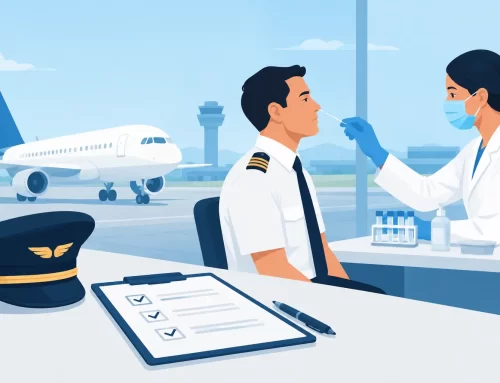
The order should include accurate candidate information, the employer account, the reason for testing, and the collection authorization. For DOT testing, the federal custody and control form process must be used. Collection personnel verify identification, explain the process, complete required documentation, and maintain the chain of custody from collection through laboratory analysis.
A properly managed collection protects both the employer and the candidate. It provides a documented record that the specimen was collected, labeled, sealed, transferred, and tested under controlled procedures.
3. Complete the Collection Without Delays
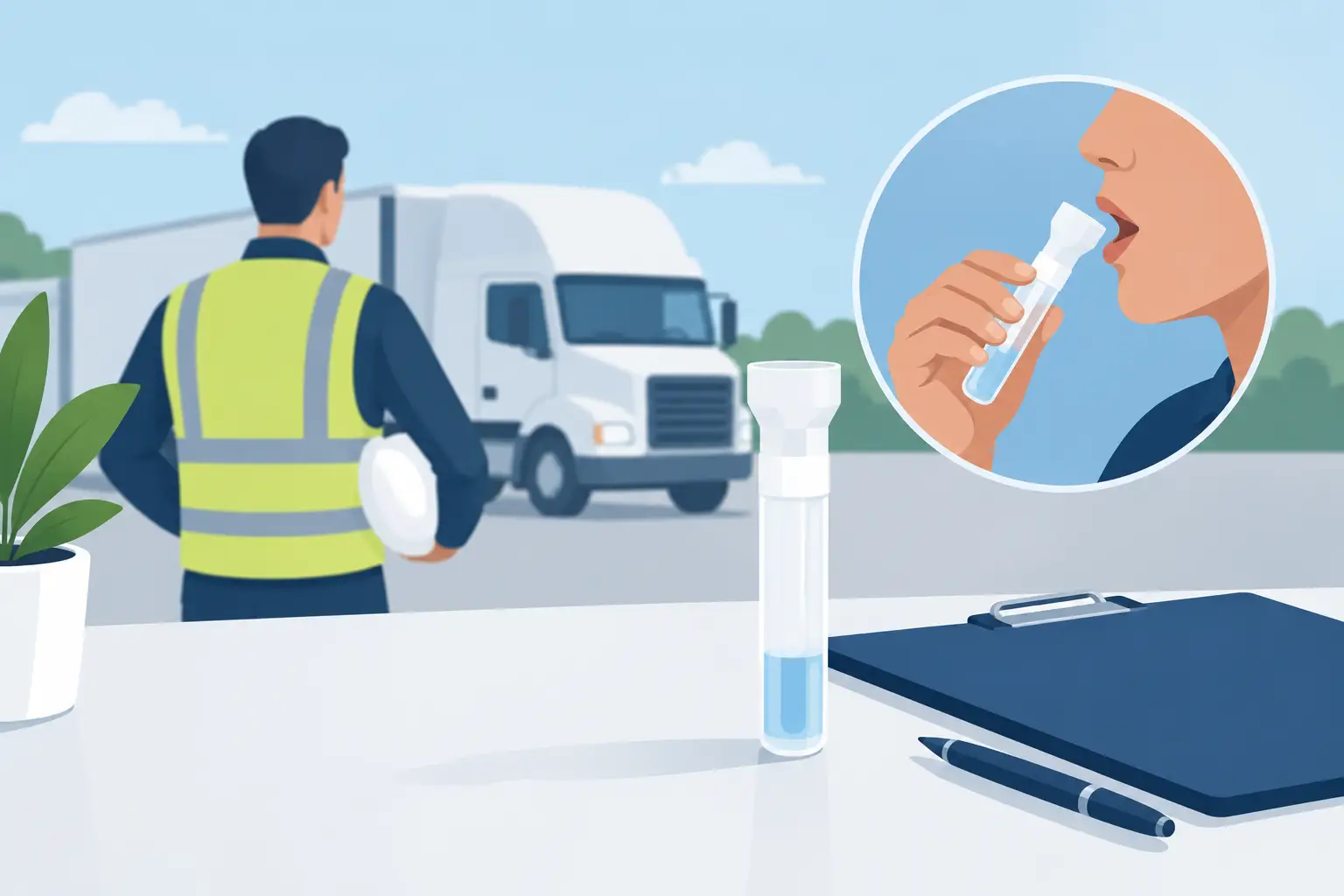
Most pre-employment drug tests use urine specimens, although non-DOT programs may use other specimen types based on the employer’s policy and local law. The collection site follows established procedures for privacy, specimen integrity, temperature checks, and chain-of-custody documentation.
Some situations require additional action. A specimen that is out of temperature range, shows signs of tampering, or cannot be provided may trigger an observed collection or other procedural steps. A candidate who leaves before the process is complete, refuses to provide a specimen, or fails to cooperate may be treated as a refusal under DOT rules. In non-DOT programs, the employer’s policy and applicable law govern the response.
Employers should avoid improvising at this stage. When an issue occurs, contact the testing program administrator or designated compliance support team before making an employment decision.
4. Laboratory Testing and Medical Review
The laboratory tests the specimen according to the ordered panel and required standards. A laboratory result is not automatically the final result provided to the employer. In DOT testing, and in many well-managed non-DOT programs, a Medical Review Officer, or MRO, reviews non-negative laboratory findings.
The MRO is a licensed physician who evaluates whether there is a legitimate medical explanation for a laboratory result. The candidate has an opportunity to discuss prescriptions or other relevant information directly with the MRO. This protects confidentiality and helps prevent employers from receiving medical details they do not need.
A verified negative result can generally move the candidate forward. A verified positive, adulterated, substituted, or invalid result requires careful handling. For DOT-covered roles, the employer must follow federal procedures and cannot allow the individual to perform safety-sensitive functions unless and until all required return-to-duty requirements are met. A pre-employment positive does not become a simple HR matter just because the person has not started work.
5. Review the Result Against the Policy
Once the final verified result is reported, the designated employer representative should review it only against the written policy and applicable requirements. Keep the decision limited to authorized personnel. Managers do not need access to laboratory details, prescriptions, or medical explanations.
For a negative result, document that the candidate has met the testing condition and may proceed with onboarding. For a non-negative result, follow the policy consistently. Depending on the program, that may mean withdrawing a conditional offer, beginning a DOT violation process, or seeking legal or compliance guidance before taking action.
Cannabis is an area where employers need particular care. State laws, job protections, and limits on pre-employment testing vary. A positive non-DOT test for cannabis does not always support the same employment action in every jurisdiction. DOT-regulated testing remains governed by federal rules, but employers with mixed workforces should not assume one policy decision applies across all roles and locations.
DOT-Specific Requirements That Cannot Be Missed
DOT employers have additional responsibilities beyond the collection and result. Before hiring a driver or other covered employee into a safety-sensitive role, employers must complete the required DOT pre-employment steps for that role. For FMCSA-regulated drivers, this includes querying the FMCSA Drug and Alcohol Clearinghouse as required.
If a candidate has a Clearinghouse record showing a prohibition, the employer cannot place that individual in a safety-sensitive position until the federal return-to-duty process has been completed. Employers must also keep required testing records, protect them from unauthorized disclosure, and ensure their random testing pool reflects active covered employees once they begin safety-sensitive work.
These responsibilities are often managed more effectively through a C/TPA or compliance partner that can coordinate testing, pool administration, Clearinghouse activity, reporting, and documentation. The objective is not to hand off accountability. It is to make sure the employer has a controlled process and timely visibility into every required action.
Build a Process That Works in Real Operations
A practical program assigns ownership. HR may initiate the conditional offer and candidate communication. Safety or compliance may confirm DOT coverage and agency requirements. A designated employer representative should receive final reports and authorize the next step. Supervisors need training so they know not to bypass the process when operations are short-staffed.
Employers also benefit from tracking a few operational measures: time from order to collection, incomplete collections, time to final result, start dates delayed by missing documentation, and recurring errors by location. These details show where candidates are getting stuck and where internal instructions need to improve.
WOOTS supports employers with collection access across North America, testing coordination, DOT program administration, Clearinghouse management, and responsive after-hours assistance. That level of support is especially useful when a candidate is hired outside regular office hours or a post-accident situation requires immediate action.
A dependable pre-employment program should make the next action clear for everyone involved: send the candidate, complete the collection, wait for the verified result, document the decision, and do not place a regulated employee into safety-sensitive work before every required step is complete.




Leave A Comment