
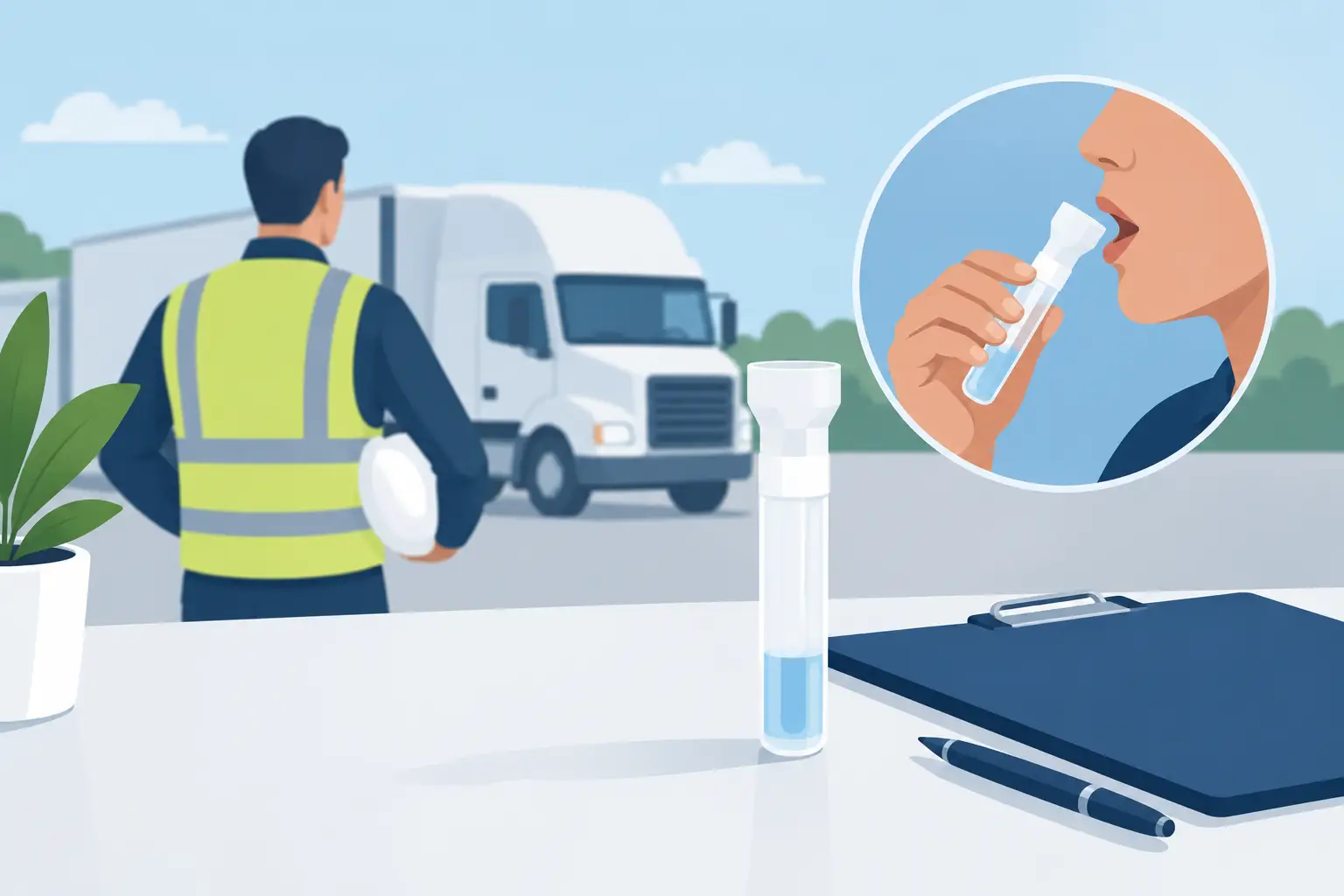
A DOT-regulated employer cannot add oral fluid testing to its random testing program simply because the collection method is permitted in the federal rule. The key issue in current DOT oral fluid updates is authorization: oral fluid testing can begin only after the required laboratory certification and DOT notification conditions are met. Until then, urine testing remains the required drug-testing specimen for DOT-regulated programs.
For fleet operators, owner-operators, designated employer representatives, and C/TPAs, this distinction matters. Implementing a collection method too early, or applying the wrong procedures after authorization, can create a compliance problem during an audit, post-accident response, or investigation.
What the DOT Oral Fluid Updates Actually Changed
The U.S. Department of Transportation published its final rule allowing oral fluid specimens for DOT drug testing under 49 CFR Part 40. The rule became effective on June 1, 2023, and created a framework for DOT-regulated oral fluid collections, laboratory testing, Medical Review Officer review, and employer actions.
The rule did not make oral fluid testing immediately available for DOT programs. Before employers may use it, the Department of Health and Human Services must certify at least two laboratories to test DOT oral fluid specimens. DOT must then publish a notice identifying the laboratories and stating that regulated employers may begin using oral fluid testing.
That sequence is not a technicality. It is the line between preparing for an approved testing option and using an option that is authorized for a DOT program. Employers should confirm the current DOT status before changing policies, ordering collection supplies, or instructing collection sites to use oral fluid devices.
Oral fluid testing applies to DOT drug testing. It does not replace DOT alcohol-testing procedures, which continue to follow the applicable breath or saliva alcohol-testing requirements. It also does not change an employer’s obligations under the DOT Drug and Alcohol Clearinghouse, agency-specific rules, or required testing categories.
What Will Stay the Same for DOT Employers
Oral fluid testing changes the specimen type, not the foundation of a compliant testing program. Employers will still need a written policy, a compliant random-testing process, trained supervisors, documented post-accident procedures, and clear communication with drivers and other safety-sensitive employees.
The standard DOT testing situations remain in place: pre-employment, random, reasonable suspicion, post-accident, return-to-duty, and follow-up testing. Employers must continue to apply the correct DOT agency rules for FMCSA, FAA, FTA, FRA, PHMSA, or USCG-covered employees.
The Medical Review Officer remains central to the process. A laboratory result is not a final verified DOT result until the MRO completes the required review. Employers should continue to protect confidentiality, avoid premature employment decisions, and follow required reporting and recordkeeping procedures.
For FMCSA-regulated employers, a verified positive drug test, refusal, or other reportable violation still triggers Clearinghouse responsibilities. Oral fluid availability will not remove the need to query the Clearinghouse, report applicable violations, or complete the return-to-duty process when required.
How Oral Fluid Testing May Affect Operations
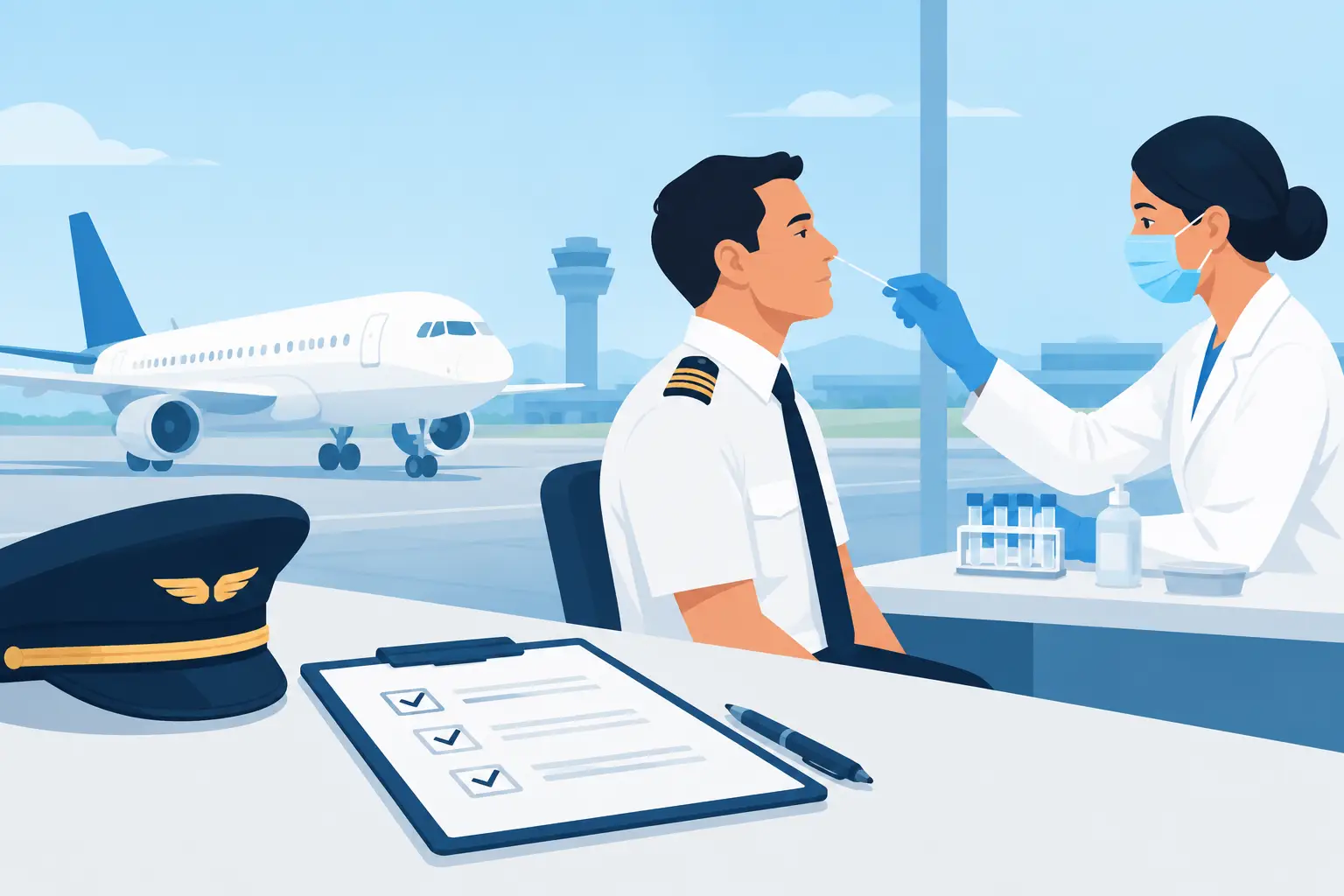
When DOT authorization occurs, oral fluid testing may offer meaningful operational advantages in specific situations. A collector can generally observe the oral fluid collection directly, which can reduce concerns about specimen substitution or adulteration. The collection process may also be useful when a urine collection is difficult to complete promptly or when a directly observed urine collection would otherwise be required.
However, oral fluid is not automatically the best choice for every event. Detection windows can differ from urine, and a recent-use pattern may be reflected differently depending on the substance, timing, and individual circumstances. Employers should not assume that one specimen type produces identical results to another.
Operational availability will also matter. A nationwide collection network may have varying levels of oral fluid readiness at the start of implementation. Before relying on oral fluid testing for after-hours or post-accident events, employers should confirm that their designated collection sites, mobile providers, laboratories, and service partners can support the required process.
Policy language will need attention as well. A policy that states DOT drug testing is conducted only through urine specimens may need revision once oral fluid testing is authorized. The policy should make clear which specimen types the employer may use, how employees will be notified, and what constitutes a refusal under Part 40.
Preparing for DOT Oral Fluid Testing Before It Is Authorized
Preparation is appropriate. Premature implementation is not. Employers can use this time to review their testing program and identify the decisions that will need to be made once DOT issues an authorization notice.
Start with your written drug and alcohol policy. Identify whether it limits testing to urine, whether it accurately describes refusal procedures, and whether its post-accident instructions give supervisors enough direction for a time-sensitive event. Update language only with guidance that reflects the rule and the employer’s actual testing process.
Next, review collection-site coverage. A testing plan is only practical if employees can access a qualified site when and where testing is needed. This is especially important for long-haul fleets, remote operations, cross-border employers, and organizations that need post-accident support outside normal business hours.
Employers should also confirm how their C/TPA will manage service orders, chain-of-custody documentation, laboratory selection, MRO review, reporting, and agency-specific pools. Oral fluid testing introduces additional workflow choices. Clear procedures reduce the risk that a supervisor, dispatcher, or employee receives conflicting instructions at the point of collection.
Finally, train the people who will make real-time decisions. Supervisors do not need to become collectors, but they should understand that oral fluid testing is a DOT drug-testing method only when it has been formally authorized. They should know whom to contact for reasonable suspicion, post-accident, refusal, and collection-site questions.
Choosing Between Urine and Oral Fluid Testing
Once oral fluid testing is available, employers may have flexibility to use urine, oral fluid, or both, subject to Part 40 and agency requirements. The right approach will depend on the employer’s workforce, testing locations, operational schedule, and compliance priorities.
A company with frequent remote dispatches may prioritize broad site access and after-hours coordination. An employer concerned about observed collections, specimen tampering risks, or rapid collection logistics may see advantages in oral fluid testing. Another organization may prefer to retain urine as its primary specimen type while adding oral fluid as an option for selected situations.
Consistency matters, but a single approach is not always required. What matters is that testing decisions are made under a documented, nondiscriminatory process and that every collection follows the applicable federal procedures. Employers should avoid informal decisions based on convenience alone, particularly when random selections, reasonable suspicion testing, or return-to-duty requirements are involved.
Canadian employers should also keep DOT and non-DOT programs separate. A DOT-covered driver working in the United States must be managed under the applicable federal requirements. A Canadian workplace testing policy may have different legal, privacy, collective agreement, and provincial considerations. Combining these programs without clear boundaries can create unnecessary risk.
A Practical Compliance Checklist for the Next Update
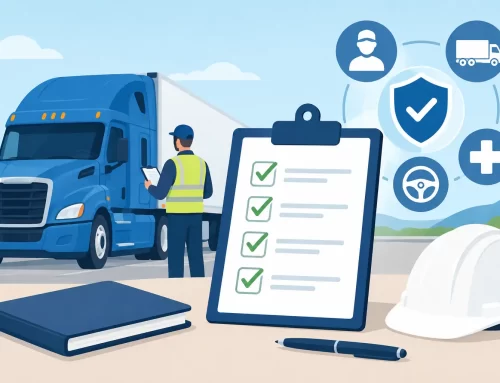
Before oral fluid testing becomes available for your DOT program, make sure you can answer four questions: Has DOT formally authorized use? Which laboratories and collection sites can support the process? Does your policy permit the specimen type you intend to use? Do your supervisors and administrators know the correct next step when a test is required?
Monitor official DOT communications rather than relying on vendor announcements or general industry discussion. When authorization is announced, move in a controlled sequence: confirm your provider’s readiness, update policy and procedures as needed, communicate the change to affected employees, and document training.
The most effective preparation is not rushing to adopt a new specimen type. It is building a testing program that can respond accurately when the rules change. WOOTS can help employers keep the operational details, collection access, reporting, and compliance responsibilities aligned as DOT oral fluid testing moves from rulemaking to real-world use.




Leave A Comment