

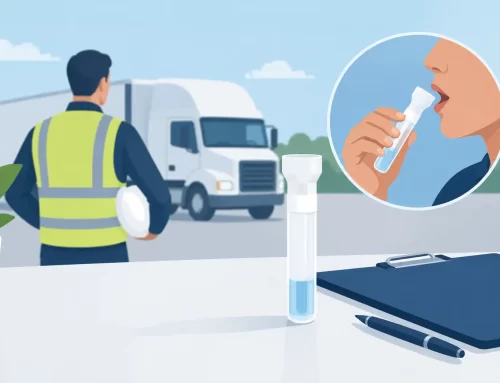
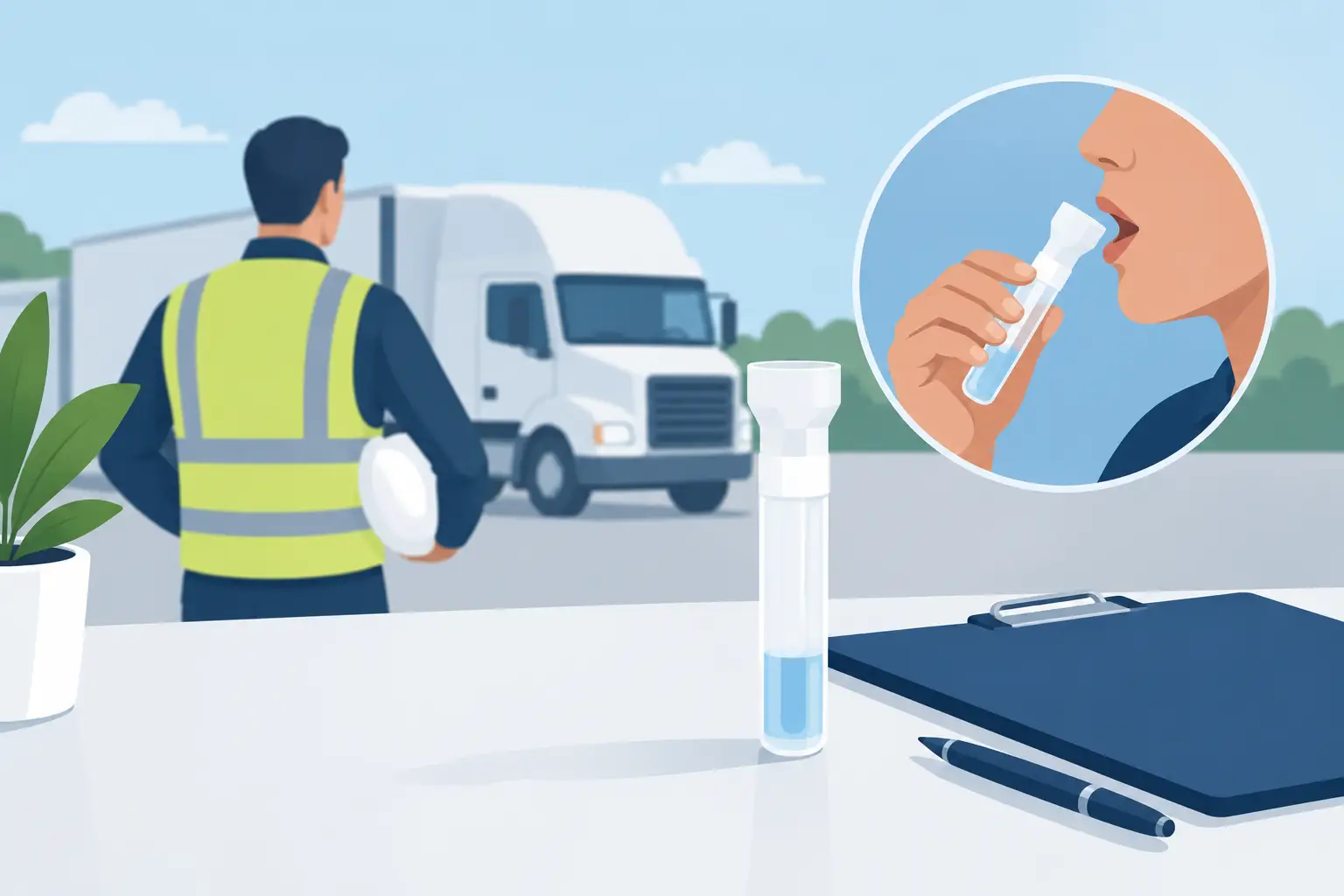
A driver reports for orientation, completes a pre-employment drug test, and receives a negative result. The employer has cleared an initial hiring requirement, but the testing program is not finished. The employee may still need to be placed in a random testing pool immediately upon performing safety-sensitive work. That distinction is the operational issue behind random vs pre employment testing.
Both test types support safer workplaces, but they serve different purposes, follow different triggers, and create different compliance responsibilities. Treating one as a substitute for the other can leave a DOT program incomplete and expose an employer to audit findings, service interruptions, or preventable risk.
Random vs Pre Employment Testing: The Core Difference
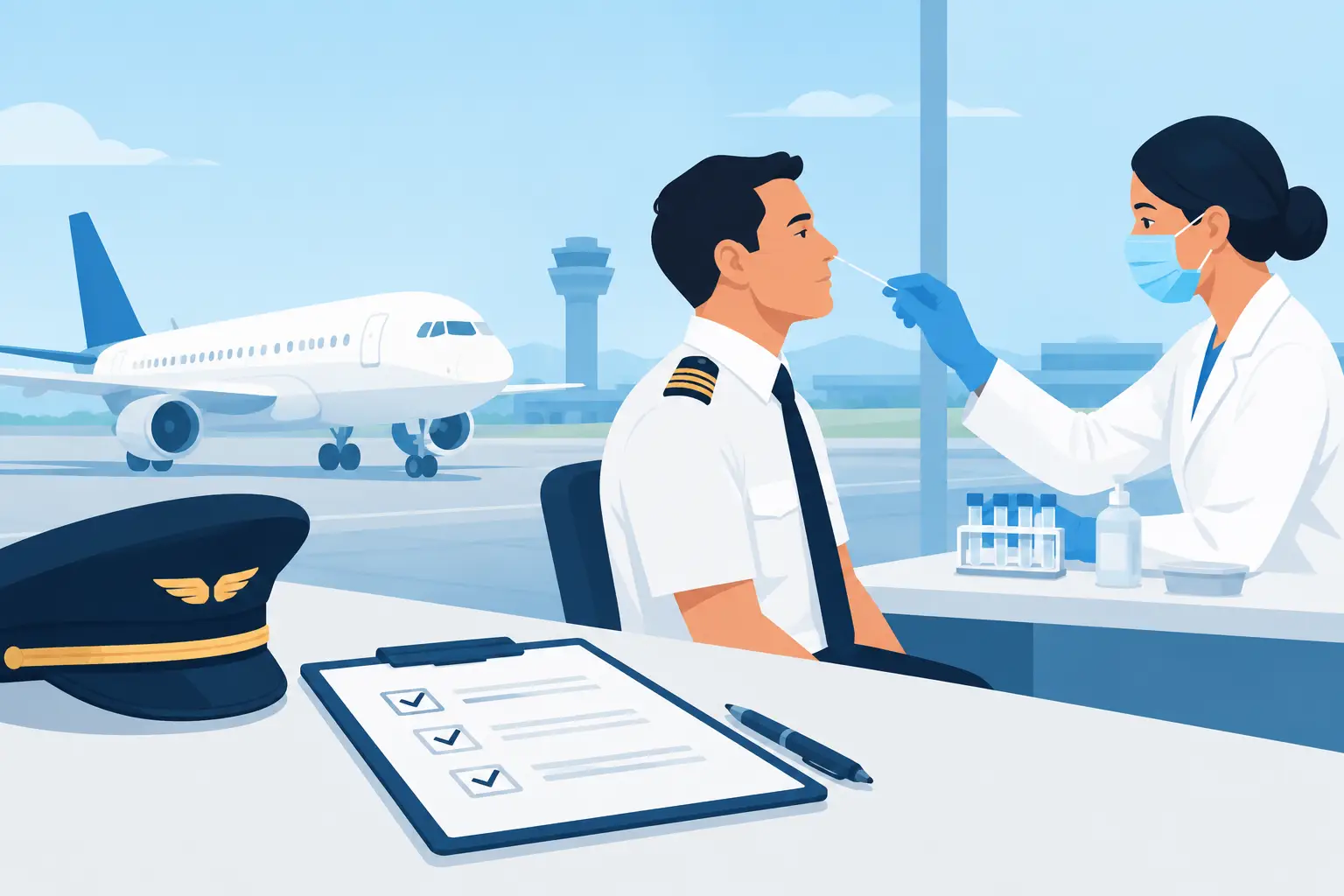
Pre-employment testing is tied to a hiring decision or a return to a safety-sensitive role after a period away from covered work. It answers a narrow question: Can this individual begin or resume the position under the employer’s policy and applicable regulations?
Random testing is an ongoing deterrence and compliance measure. It applies to current employees selected through a scientifically valid, neutral process. The selection cannot be based on a supervisor’s opinion, attendance record, performance concern, or prior test result. Employees must have an equal chance of selection each time names are drawn, and selections must be made at unannounced intervals throughout the year.
For DOT-regulated employers, a negative pre-employment controlled substances test is generally required before a worker performs DOT safety-sensitive functions. Random testing continues after that point. A pre-employment result does not satisfy an employee’s future random testing obligation, even if the test occurred only days earlier.
What Pre-Employment Testing Is Designed to Do
Pre-employment testing gives employers a documented screening step before placing a candidate in a covered role. For motor carriers and other DOT-regulated operations, it is part of the process that must be completed before safety-sensitive duties begin.
The timing matters. A candidate may interview, complete onboarding paperwork, and receive conditional employment, but they cannot perform regulated safety-sensitive functions until the required pre-employment testing process is complete and the employer has received the appropriate negative result. For DOT drug testing, employers must also complete the required Clearinghouse query process for covered CDL drivers before allowing them to operate a commercial motor vehicle.
A pre-employment test is not necessarily limited to brand-new hires. It may be required when an employee moves into a DOT-covered position or returns to safety-sensitive duty after an extended absence, depending on the applicable DOT agency rules and whether the individual remained in a compliant testing program during that time. Employers should apply a written policy and confirm the agency-specific requirement rather than assume one rule fits every role.
DOT pre-employment requirements focus on controlled substances testing. Alcohol testing before employment may be used under an employer’s policy or may apply in certain circumstances, but alcohol pre-employment requirements are not identical across all DOT programs. A clear policy and program review prevent employers from applying the wrong standard.
For non-DOT workplaces, pre-employment testing is generally driven by company policy, job risk, collective agreements, human rights considerations, and applicable state, provincial, or local law. Employers should avoid importing DOT procedures into a non-DOT program without confirming that the policy is appropriate for the workforce and jurisdiction.
What Random Testing Is Designed to Do
Random testing is not a response to suspected use or poor performance. It is a scheduled, neutral compliance requirement intended to deter substance misuse among employees who hold safety-sensitive positions.
A compliant random program requires more than drawing names occasionally. Covered workers must be enrolled in the correct pool, selections must use a valid random method, and testing must occur at a reasonably spread-out rate across the calendar year. Waiting until year-end to complete nearly all selections undermines the unannounced nature of the program and can create compliance problems.
For DOT programs, random testing rates are set by the applicable agency and may change from year to year. Drug and alcohol rates can also differ. Employers must use the correct annual rate for their DOT agency, such as FMCSA, FAA, FTA, FRA, USCG, or PHMSA. A mixed workforce may require separate pools or carefully managed pools to ensure every employee is tested at the correct rate.
Once selected, an employee should be notified and directed to testing without advance warning. The employer should have a practical procedure for employees who are off site, on a route, working a night shift, or located far from the home terminal. Delays can compromise the process, especially when there is no documented effort to send the employee promptly after notification.
Testing Triggers Cannot Be Interchanged
Each testing category has its own trigger. Pre-employment testing is triggered by entry into a role. Random testing is triggered by neutral selection. Reasonable suspicion testing is triggered by trained supervisor observations. Post-accident testing is triggered by defined event criteria. Return-to-duty and follow-up testing apply after a DOT violation and the required evaluation process.
These categories should remain separate in company procedures, reporting, and records. For example, an employee involved in a qualifying accident cannot be sent for a random test and have that result treated as a post-accident test. The collection may look similar, but the reason for the test, required documentation, timelines, and regulatory implications are different.
The same principle applies when an employee is selected randomly shortly after a pre-employment test. Unless the employee is no longer covered by the program, the random selection stands. Skipping the test because the employee recently tested can distort the random pool and reduce the employer’s ability to demonstrate compliance.
Building a Program That Holds Up Under Review
The strongest programs make testing administration routine rather than reactive. That starts with accurate employee rosters. Employers need a current list of who performs safety-sensitive functions, when employees enter or leave a pool, and which DOT agency rules apply to each role.
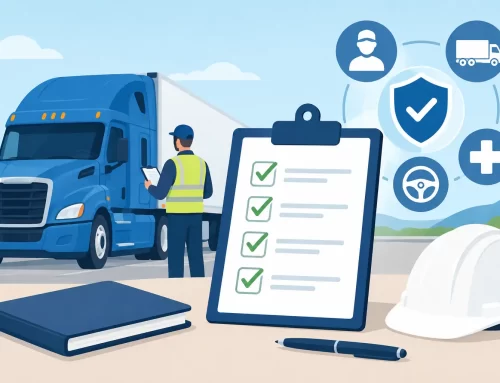
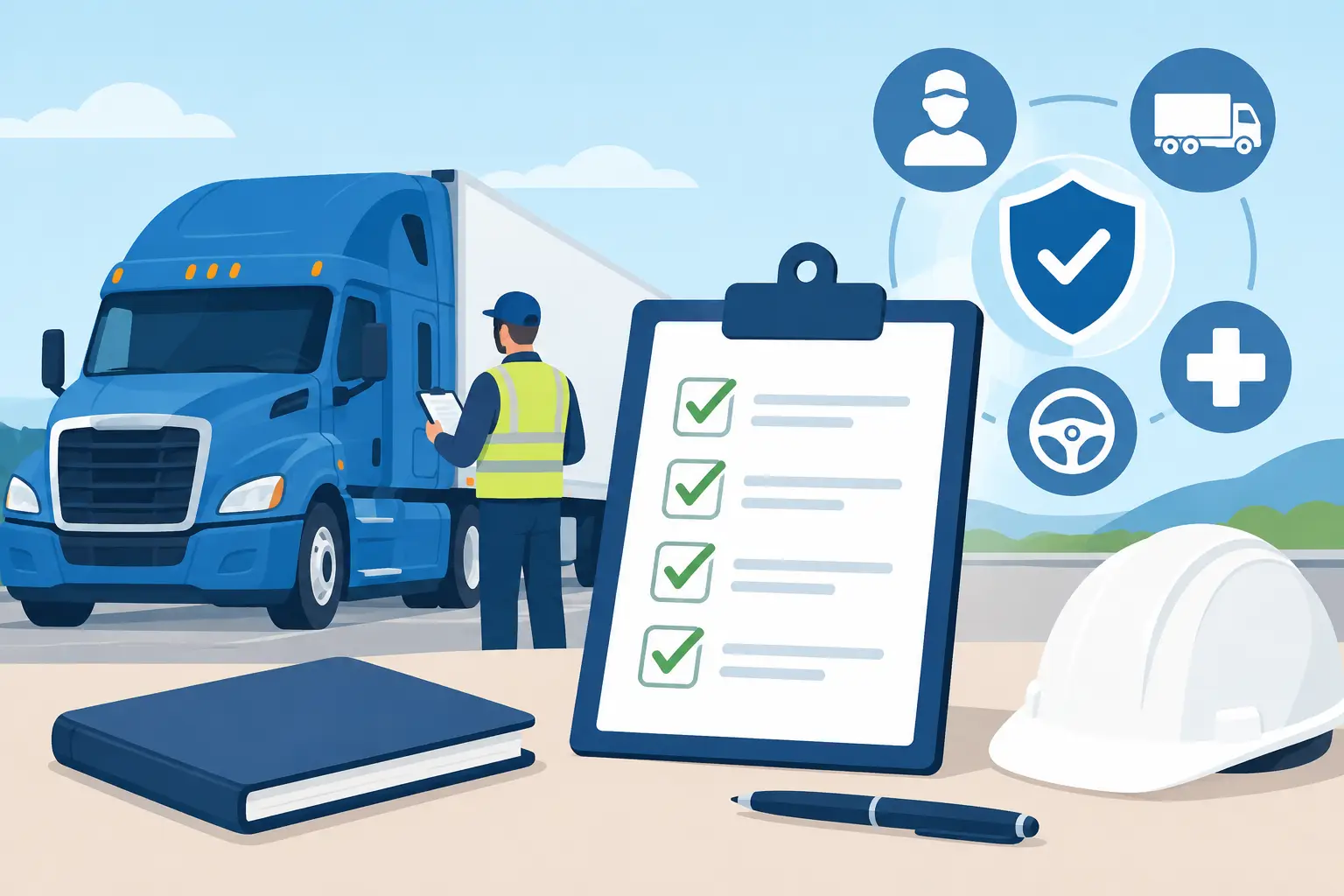
Records should show the full chain of compliance, not only a final negative result. Keep documentation for:
- pre-employment test orders, results, and dates cleared for duty;
- random pool enrollment, selection dates, and selection methodology;
- employee notification and collection-site directions when relevant;
- completed test results, refusals, cancellations, and follow-up actions.
Confidential test information must be protected and stored separately from general personnel files. Access should be limited to authorized staff, and reporting procedures should give safety managers the information they need without exposing medical or test details to employees who do not require access.
A centralized testing partner can reduce administrative gaps by managing pools, coordinating collections, maintaining reporting access, and supporting after-hours needs. This is especially useful for fleets with remote drivers, multiple terminals, or workers crossing the United States and Canada. WOOTS supports employers with DOT program administration, collection access, reporting, and testing coordination so program requirements remain manageable as operations change.
Common Errors That Create Avoidable Exposure
One frequent error is delaying random pool enrollment until an employee has completed a probationary period. If that employee is already performing DOT safety-sensitive duties, they generally belong in the random pool from the start of covered work.
Another is using a single pool without checking whether every participant is subject to the same required annual rate. Combined pools can be appropriate, but only when they are structured and administered to meet the applicable requirements for each group.
Employers also run into trouble when hiring managers, dispatchers, and supervisors do not know who can authorize a worker to begin safety-sensitive duties. A candidate should not be assigned a route, dispatched, or placed behind the wheel because a test was scheduled. The required result and associated compliance steps must be complete first.
Finally, a policy that looks clear on paper can fail during a weekend incident, an after-hours random selection, or a remote collection need. Test procedures should identify who makes the call, where employees will test, how instructions are documented, and how the employer will respond when normal business hours do not apply.
Make Testing Part of Daily Compliance
Random and pre-employment testing work best when they are treated as connected parts of a larger compliance program, not isolated tasks assigned to HR when a need arises. Review job classifications, pool rosters, agency rates, and supervisor responsibilities before an audit, accident, or hiring surge exposes a gap.
The practical goal is simple: clear employees correctly before safety-sensitive work begins, maintain a defensible random testing process afterward, and document every step well enough that your program can speak for itself.


Leave A Comment