
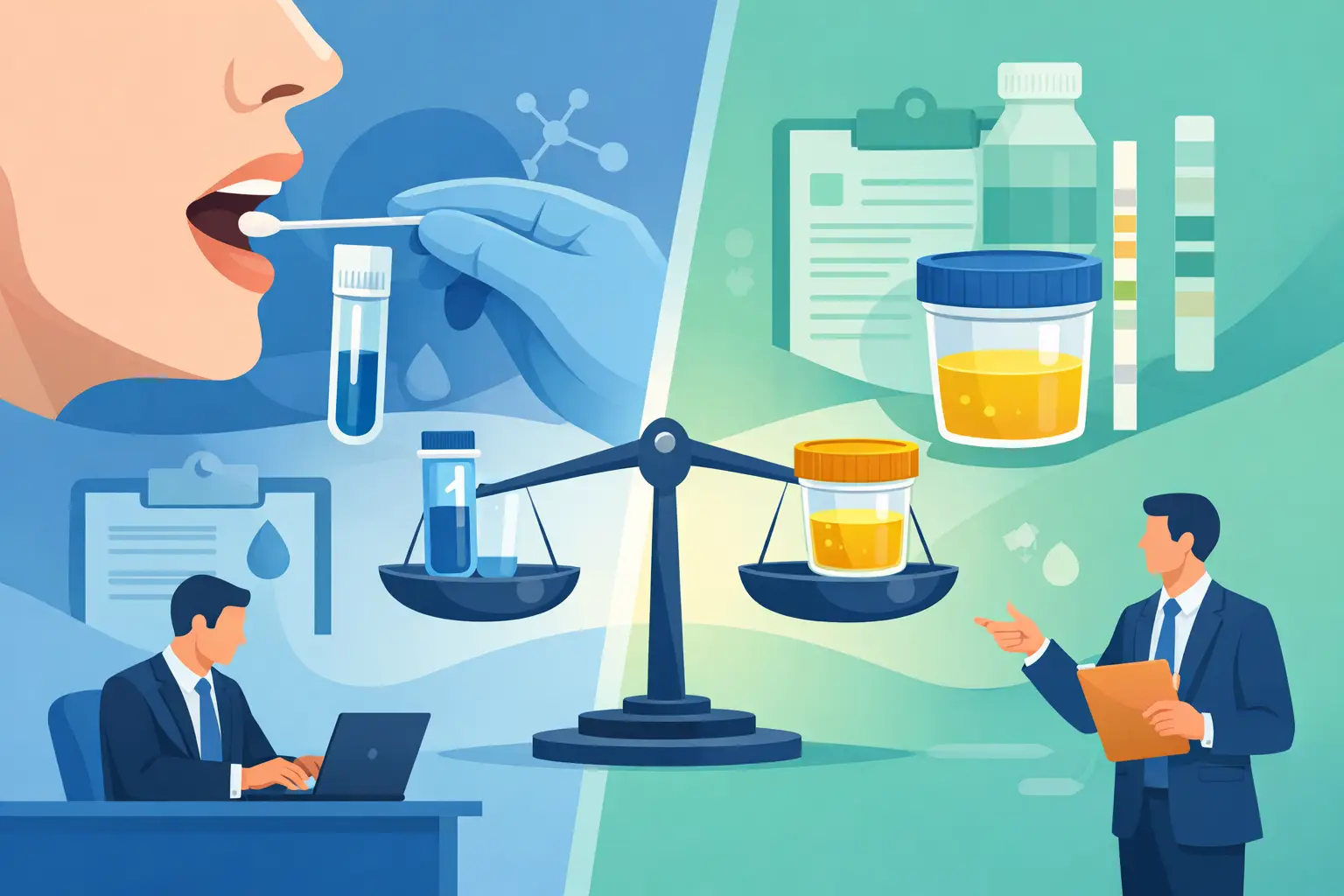
A post-accident testing decision can affect far more than the specimen collected. It can determine how quickly a driver is tested, whether a collection is defensible, how much operational disruption occurs, and whether the employer’s program meets its regulatory obligations. When evaluating oral fluid vs urine testing, employers need to look beyond convenience and match the method to their workforce, policy, and governing rules.
Urine testing remains the standard specimen type for most federally regulated testing programs, including US Department of Transportation testing. Oral fluid testing can offer meaningful advantages for certain workplace situations, particularly where observed collection, speed, and reduced opportunity for specimen substitution matter. Neither method is automatically better in every case. The right choice depends on the reason for testing, the substances being evaluated, the applicable regulations, and the employer’s documented policy.
Oral Fluid vs Urine Testing: The Operational Difference
Urine testing detects drug metabolites that the body has processed and eliminated. Because metabolites may remain in urine after the immediate effects of a drug have passed, urine can generally provide a longer detection window for many substances. That makes it a familiar and practical option for pre-employment, random, return-to-duty, and follow-up testing programs where identifying recent use is the central goal.
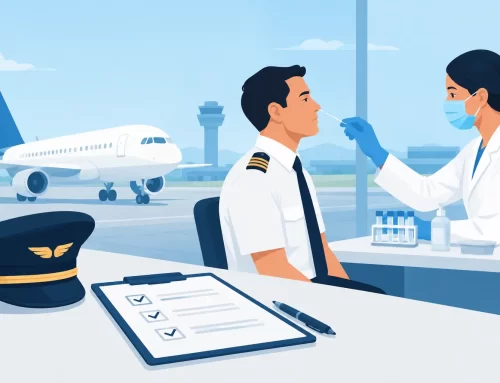
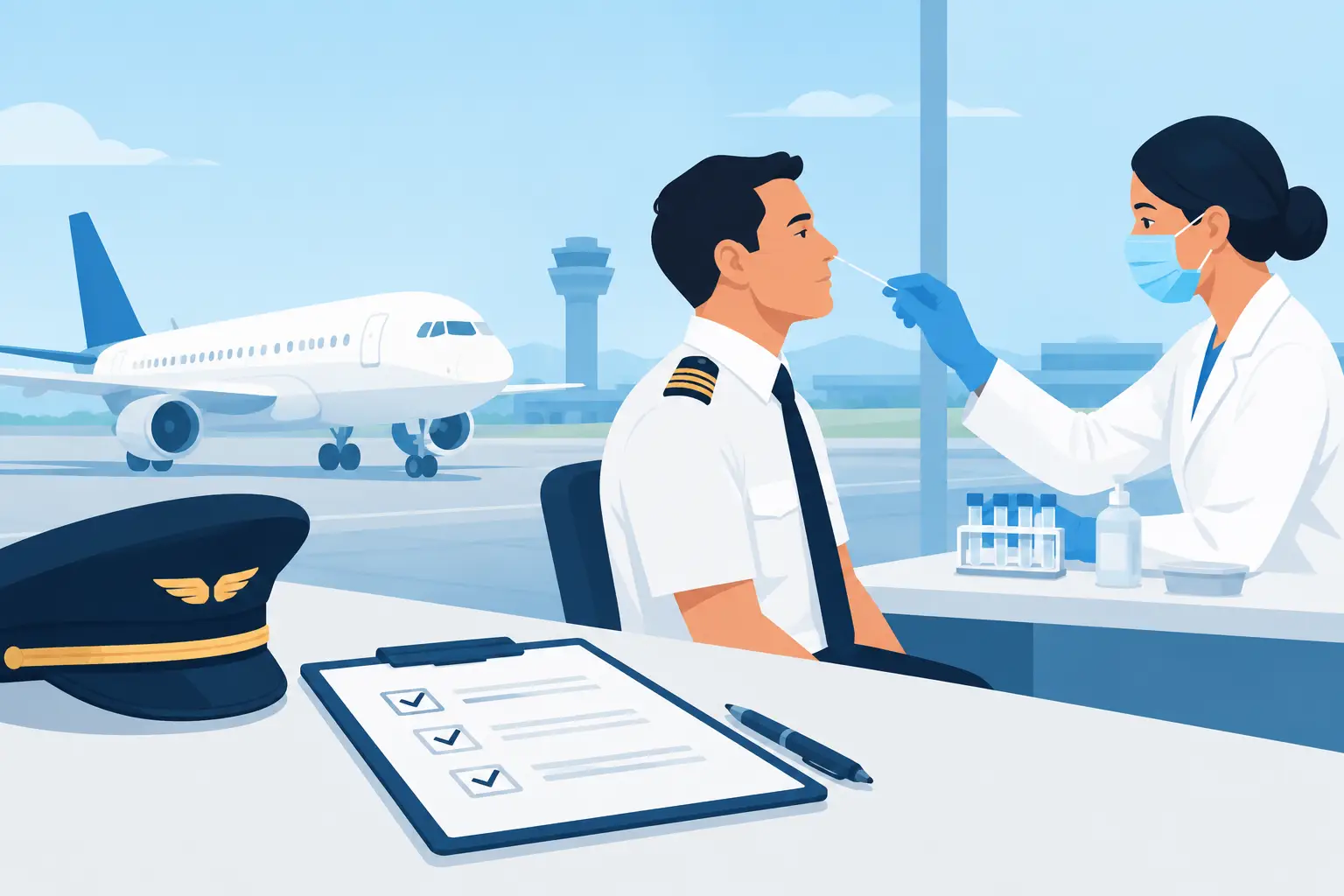
Oral fluid testing analyzes saliva collected from the mouth. It is typically collected under direct observation by a trained collector, which can reduce concerns about substitution, dilution, or adulteration. Oral fluid generally has a shorter detection window than urine, often making it more responsive to very recent use. This can be useful after an incident, under reasonable suspicion, or in other situations where proximity to the time of use may be relevant.
A shorter window is not the same as an impairment test. Neither oral fluid nor urine testing establishes impairment at the time of collection. Both methods identify the presence of drugs or metabolites according to the laboratory’s established testing process and cutoffs. Employers should avoid describing either method as proof that an employee was impaired while working.
Detection Windows Matter, but Context Matters More
Detection time varies by substance, frequency of use, individual metabolism, dose, specimen quality, and laboratory cutoff levels. There is no single timetable that applies to every employee or every drug. A one-time use and repeated use can produce very different results, even with the same testing method.
In general, oral fluid is more likely to identify very recent exposure, while urine may identify drug use over a longer period. That distinction affects how employers should use each method. A company seeking a broad pre-employment screen may prefer urine because it can capture a wider historical window. An employer responding promptly to a workplace incident may consider oral fluid for a non-DOT program if it is permitted by policy and appropriate for the circumstances.
The timing of collection is still critical. Delays can reduce the practical value of either test, especially with oral fluid. Employers should have a clear post-accident process that identifies who authorizes testing, how the employee is transported or directed to a collection site, and how documentation is completed. A strong testing method cannot correct a weak response process.
Collection Controls and Employee Experience
Collection procedures are one of the clearest differences between the two methods. Urine collection usually takes place in a private restroom, with safeguards designed to preserve specimen integrity. In certain circumstances, regulations or collection requirements may call for a directly observed urine collection. While effective, these procedures can create delays and may be uncomfortable for employees.
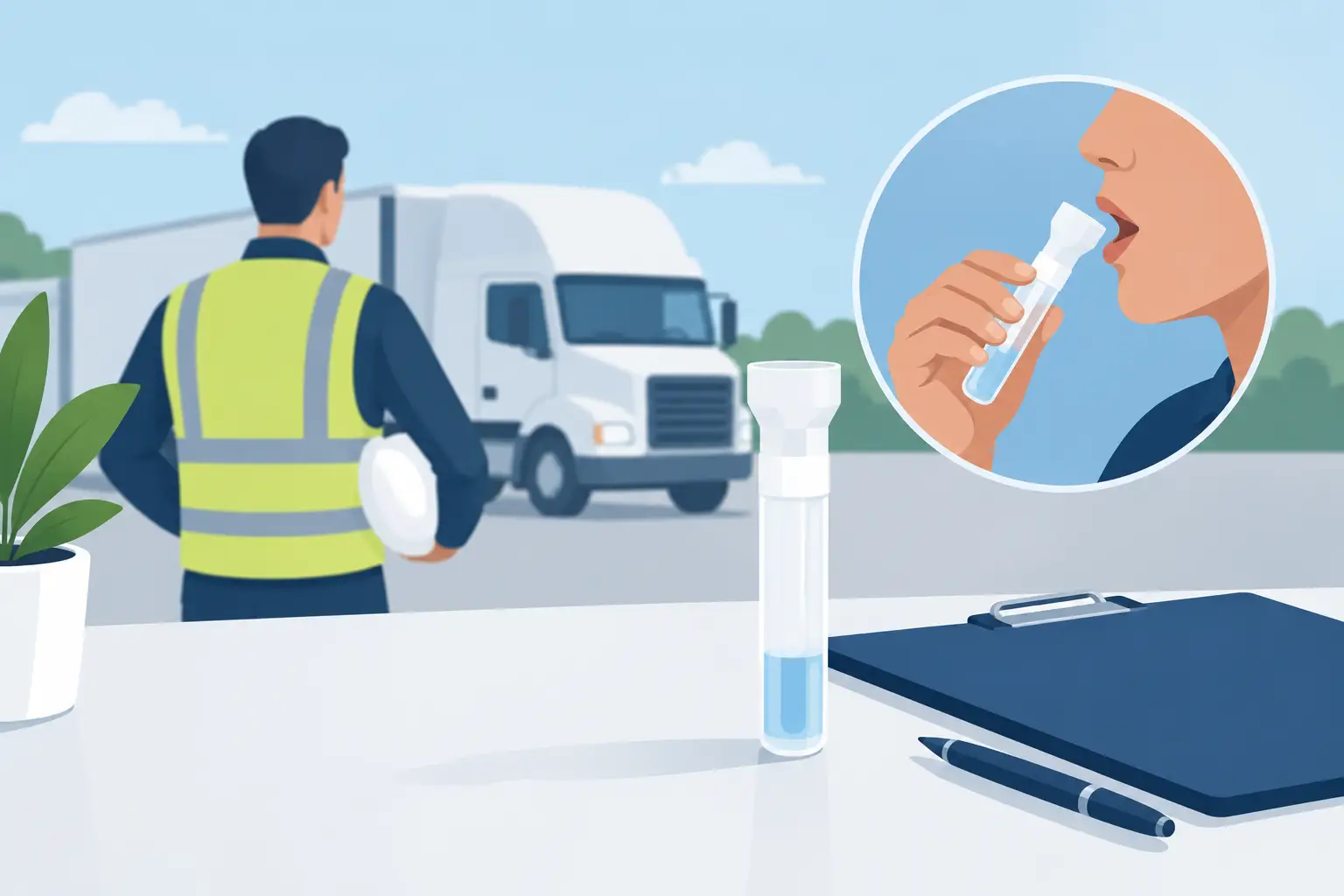
Oral fluid collection is normally observed from the start. The collector can watch the donor place and retain the collection device, which helps control chain-of-custody risks without requiring a restroom collection. This is particularly valuable in workplaces where tampering concerns are elevated or where a private restroom is not readily available.
Oral fluid can also be easier to arrange at remote sites, terminals, job locations, or after-hours incidents when a qualified collector is available. However, collection is not always straightforward. Dry mouth, recent eating or drinking, oral contamination, or insufficient specimen volume can delay collection. Employers should make sure their provider has clear procedures for these exceptions rather than assuming every oral fluid collection will be immediate.
From an employee-relations perspective, consistency is essential. Employees should understand the specimen type, testing circumstances, confidentiality protections, and consequences of refusal. The company policy should be applied consistently across similarly situated workers. A change in specimen type should be communicated before it becomes part of a routine workplace program.
DOT Programs Require a Different Analysis
For DOT-regulated employers, the first question is not which method is most convenient. The first question is what the current DOT rules permit for the specific testing event. DOT agencies operate under detailed procedural requirements for collection, laboratory testing, medical review, reporting, recordkeeping, and employee protections.
DOT has established a framework for oral fluid testing, but employers must confirm that all current federal implementation conditions are met before using oral fluid for DOT testing. This includes requirements affecting laboratory eligibility, collection procedures, forms, and service availability. Until oral fluid testing can be conducted in full compliance with applicable DOT requirements, urine remains the required specimen for DOT drug testing.
Do not substitute a non-DOT oral fluid test for a required DOT urine test. A non-DOT result cannot satisfy a DOT testing obligation, even if it is collected after an accident or under reasonable suspicion. If an employer operates both DOT-regulated and non-regulated divisions, its policy, ordering process, and reporting workflow must clearly separate DOT and non-DOT tests.
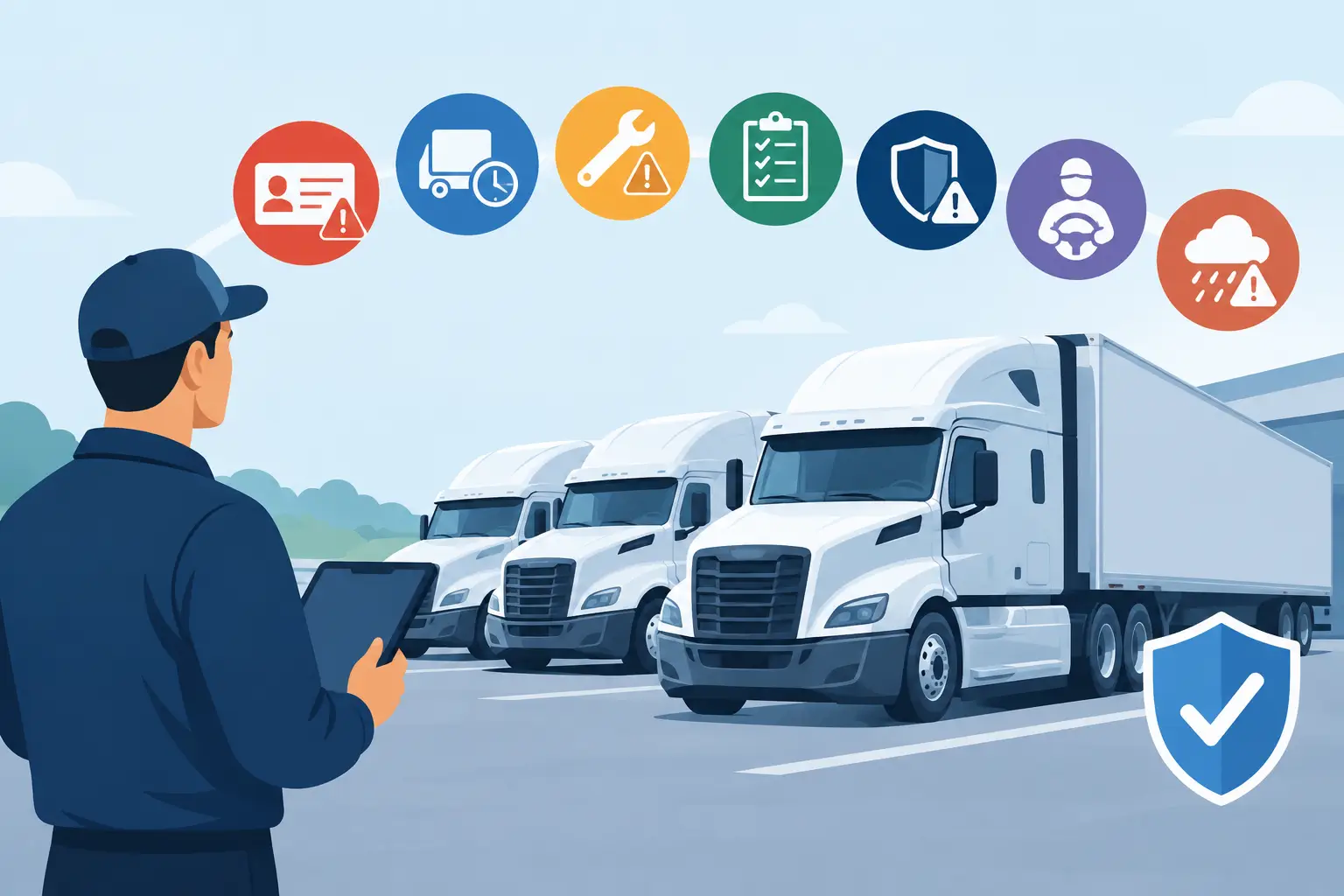
This is an area where program administration matters. A testing provider should help verify the reason for the test, the employee’s DOT agency coverage, the correct custody and control documentation, and the required next steps after a verified result. For employers managing multiple fleets or jurisdictions, those controls prevent simple ordering errors from becoming compliance exposure.
How Employers Should Choose a Testing Method
The practical choice between oral fluid and urine testing should begin with a written program review. Consider the testing purpose, the workforce location, the regulatory framework, the collection environment, and the organization’s tolerance for timing or tampering concerns.
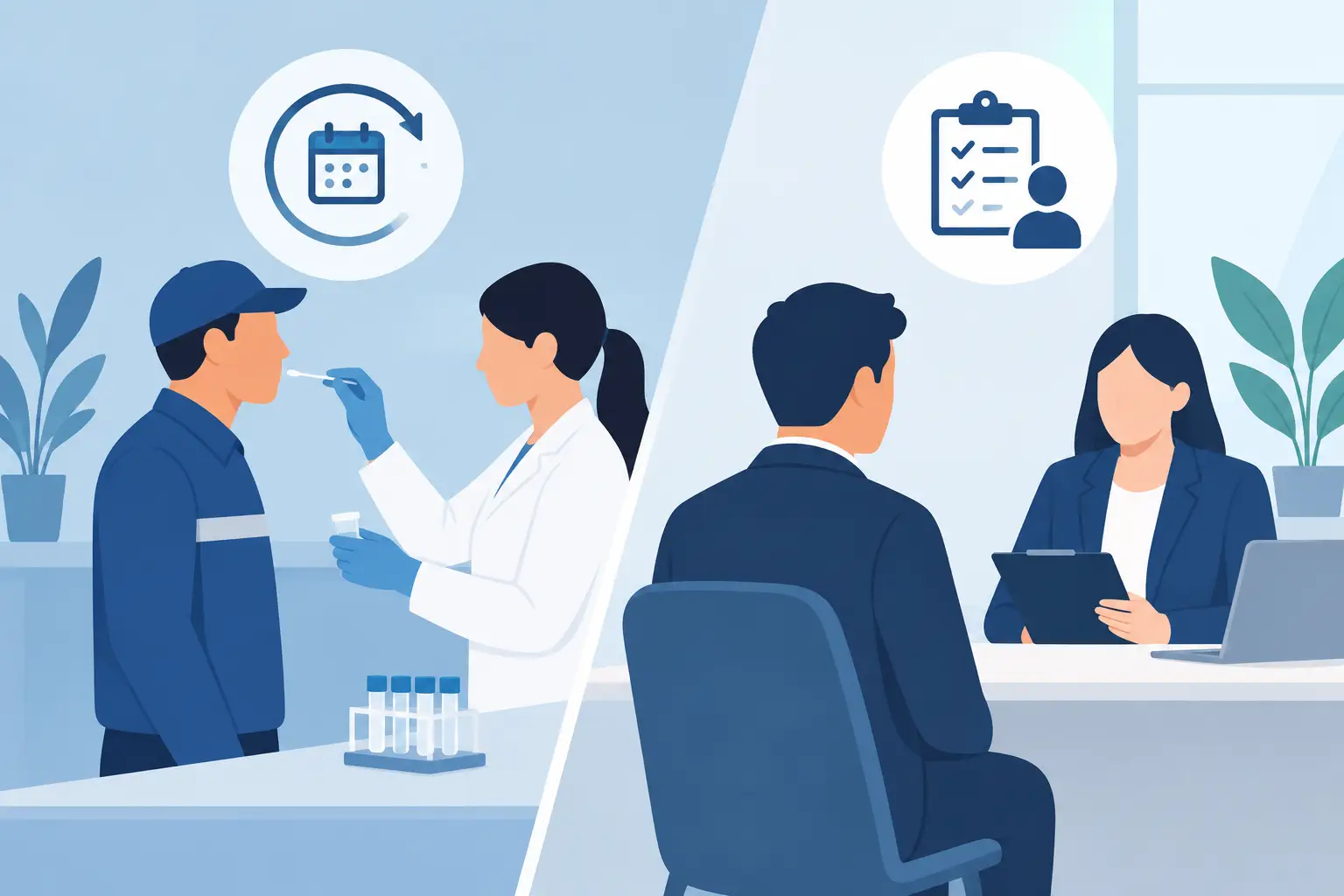
For a non-DOT program, urine may be a better fit when the employer wants an established process with broad laboratory availability and a longer general detection window. Oral fluid may be a strong option when directly observed collection, prompt access, and reduced substitution risk are priorities. Some employers use more than one method, but doing so requires precise policy language and consistent administration.
Before making a change, review these four areas:
- State and local laws, collective bargaining agreements, and privacy requirements that may affect workplace testing.
- The panel, cutoff levels, laboratory process, and medical review procedures used for each specimen type.
- Collection-site coverage and after-hours availability for the locations where employees work.
- Policy language covering notice, consent where applicable, refusals, positive results, re-testing, and return-to-duty requirements.
Canadian employers should also account for the legal and workplace context that applies to their operations. Testing policies must be proportionate, clearly connected to legitimate safety or business needs, and administered with appropriate privacy safeguards. A policy that works for a US DOT fleet may not be suitable for a Canadian non-DOT workplace without adjustment.
Build the Process Before You Need It
The most effective testing program is one supervisors can use confidently at 2 a.m. after an accident, not just during normal business hours. Give supervisors clear instructions on when to initiate testing, who to contact, where to send the employee, and what documentation to preserve. Train them to avoid making impairment determinations based solely on appearance or a preliminary screening result.
Employers should also plan for the administrative side: verified result reporting, Medical Review Officer communication, record retention, employee confidentiality, and any required removal-from-duty actions. Fast collection is valuable, but accurate follow-through is what protects the organization and supports a fair process for the employee.
WOOTS helps employers coordinate workplace testing, DOT program administration, collection-site access, and reporting so the selected testing method fits the program rather than creating another compliance gap. The best next step is to review your written policy and response procedures before the next test is needed, then make sure your collection and reporting process can perform under real operating conditions.

Leave A Comment