
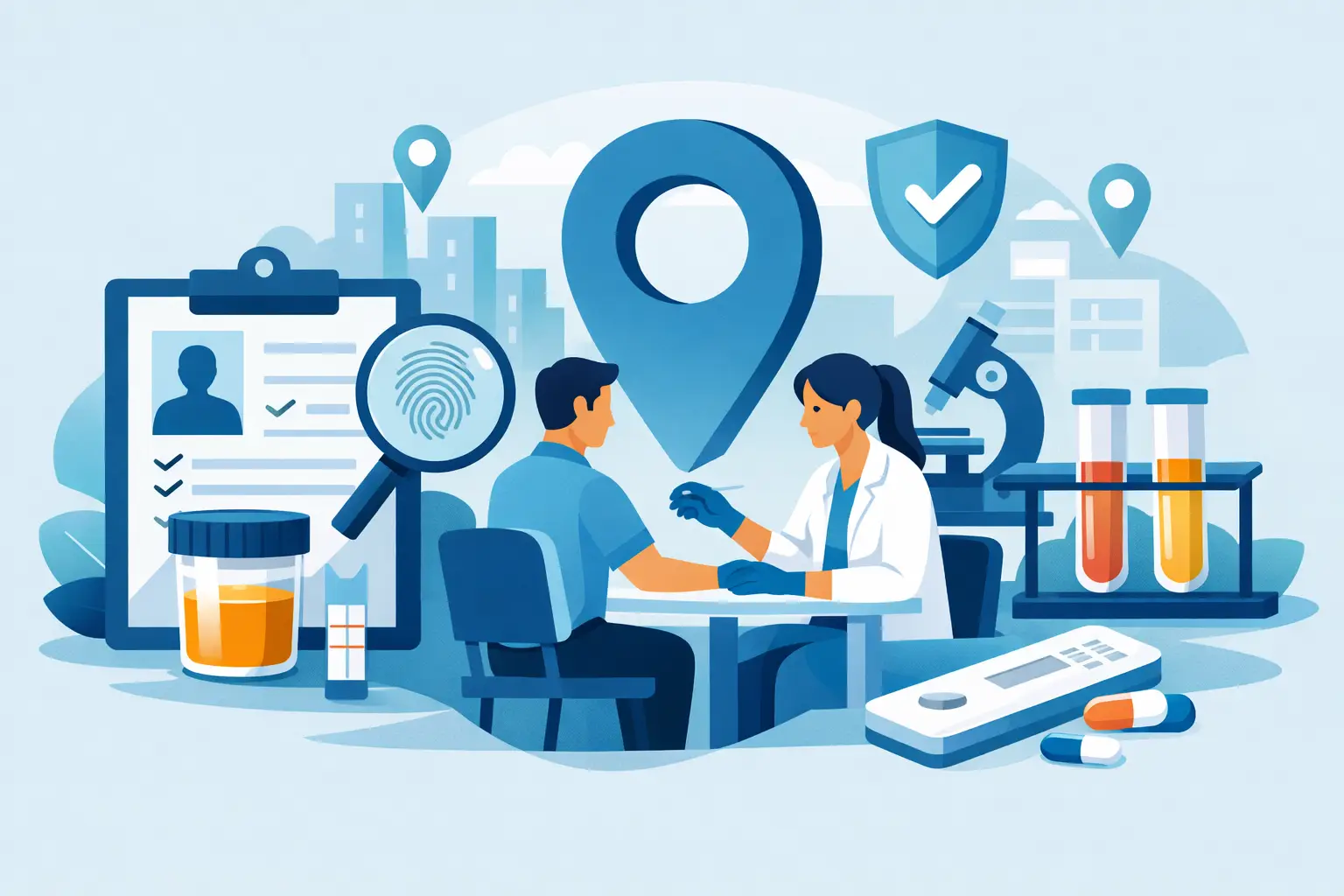
A search for employer drug testing near me usually happens when timing matters. A driver has been involved in an accident, a new hire needs clearance before orientation, or a supervisor has a reasonable suspicion concern that cannot wait until the next business day. The closest clinic may be convenient, but convenience alone does not create a compliant testing program.
For employers, transportation companies, and safety-sensitive organizations, the right testing partner must do more than provide a collection address. It must support the correct test, the correct process, accurate documentation, secure reporting, and prompt coordination when an unexpected event disrupts operations.
What “near me” should mean for an employer
Local access is essential, especially when employees work across multiple terminals, job sites, states, or provinces. But the best solution is rarely a single neighborhood collection site. It is a managed network that gives your workforce practical access wherever work takes them.
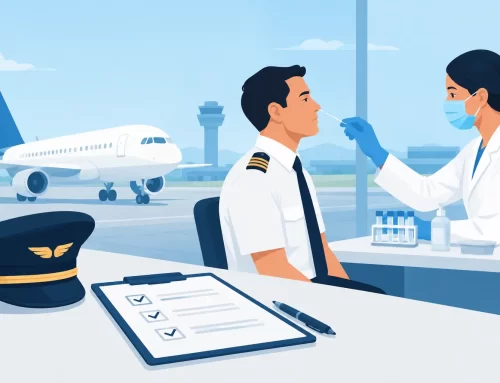
A strong employer testing arrangement should provide nearby options for pre-employment testing, random selections, reasonable suspicion testing, return-to-duty testing, follow-up testing, and post-accident response. For DOT-regulated employers, each of these situations has specific rules that affect timing, documentation, laboratory processes, and record retention.
That is why employers should ask a more useful question than, “Which clinic is closest?” Ask whether the provider can coordinate testing near the employee, support your regulatory requirements, and keep your program organized after the test is complete.
Start with the testing requirement
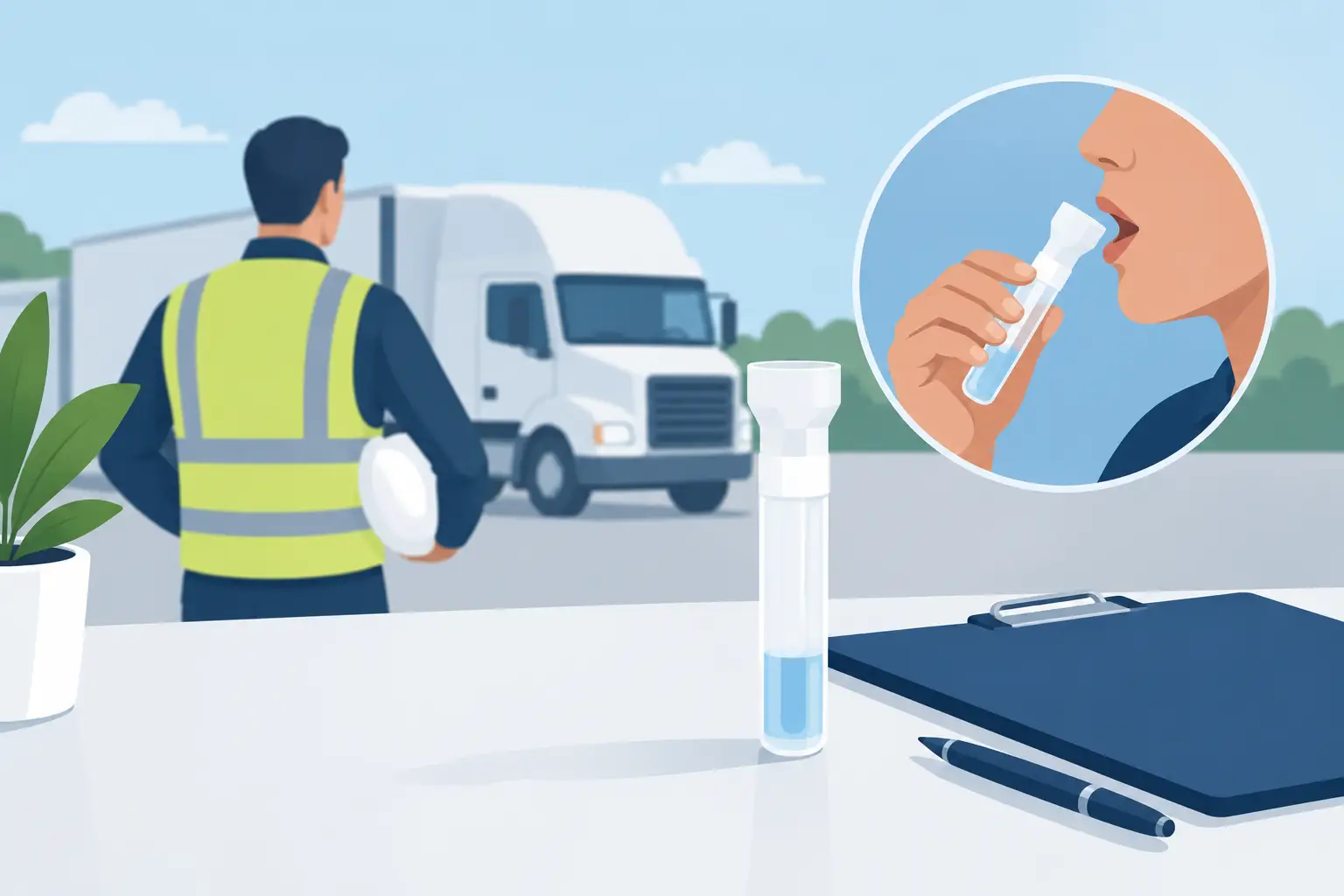
The test type should drive the collection decision. A non-DOT workplace test and a DOT drug or alcohol test can involve different procedures, forms, custody requirements, and reporting expectations. Sending an employee to a convenient site without confirming the test order can create avoidable delays or require a recollection.
DOT-regulated testing
DOT testing is governed by federal requirements, including procedures under 49 CFR Part 40 and agency-specific rules. FMCSA, FAA, FTA, FRA, USCG, and PHMSA employers may have different covered employee populations and program obligations, even though many collection and laboratory standards are shared.
For a DOT test, employers need a collection site that can complete the required process properly. This includes using the appropriate federal custody and control form, following specimen collection procedures, arranging alcohol testing when required, and handling issues such as insufficient specimens or refusals correctly.
A local collection site can be part of a DOT program, but it does not replace program administration. Employers still need random testing pools, policy support, Clearinghouse management when applicable, recordkeeping, and a process for responding to verified positive tests, refusals, and return-to-duty requirements.
Non-DOT workplace testing
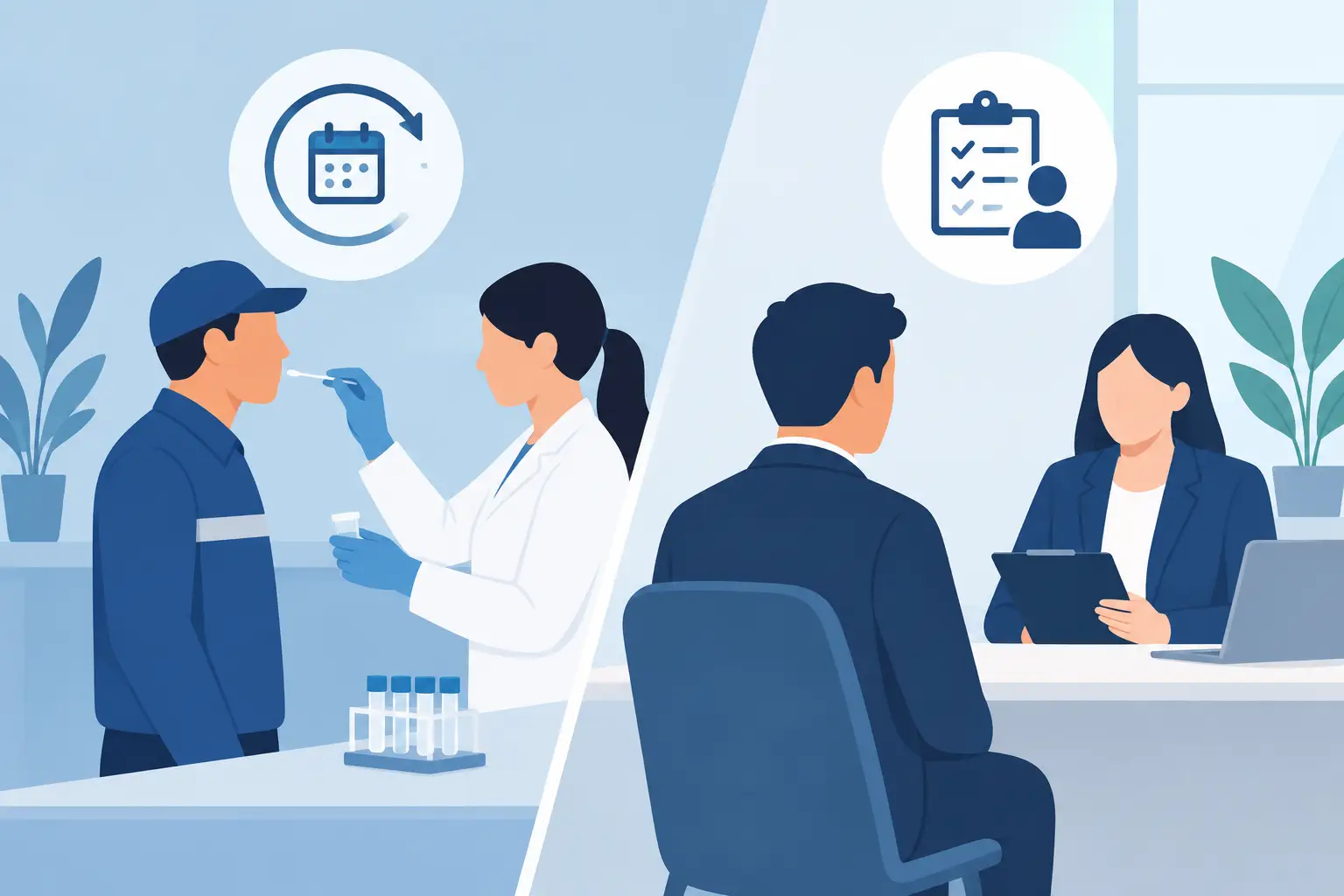
Non-DOT testing gives employers more flexibility, but it still requires a clear policy and consistent administration. Test panels, testing triggers, specimen types, and review procedures should align with the employer’s workplace policy, legal obligations, collective agreements where relevant, and the nature of the job.
For Canadian employers, workplace testing decisions require particular care. A policy that works for a U.S. DOT-regulated fleet may not be appropriate for a Canadian, non-regulated workforce. Testing should be designed around legitimate safety needs, role requirements, privacy considerations, and applicable law.
How to evaluate employer drug testing near me
When comparing providers, begin with coverage and then examine how the service performs under pressure. A provider with thousands of collection locations can help reduce travel time for employees, but the real value comes from consistent coordination and knowledgeable support.
Look for a partner that can confirm site availability, issue the correct test authorization, and direct an employee to a suitable location. Employees should not have to explain the purpose of the test or determine which paperwork applies. Clear instructions protect the employee experience and reduce administrative back-and-forth for HR and safety teams.
Consider whether locations are available where your people actually work. A fleet may need access near major highways and customer yards. A construction company may need coverage near remote projects. A national employer may need a single process that works across multiple states. If your operation crosses the U.S.-Canada border, test coordination should account for the distinct requirements on each side.
Hours matter as much as geography. A site that is five minutes away but closed when a post-accident test is required does not solve the problem. Ask how the provider handles evenings, weekends, holidays, and remote locations. After-hours support should be a defined service process, not a vague promise.
Post-accident testing requires a prepared response
Post-accident testing is one of the clearest examples of why employers need more than a search result. Following a qualifying DOT accident, the employer must assess the situation, arrange required testing, document actions, and manage deadlines while addressing the immediate safety and operational consequences.
For DOT drug testing, employers must make a good-faith effort to complete testing as soon as practicable. Alcohol testing also has strict timing considerations. The details depend on the event and agency requirements, so supervisors need direct instructions and access to support when an incident occurs.
A prepared post-accident process should identify who has authority to initiate testing, where drivers or employees will be sent, how transportation will be handled, and how documentation will be preserved. Employees should never be directed to drive themselves if impairment is a concern.
Supervisor training is a practical part of readiness. Supervisors need to recognize reasonable suspicion indicators, understand their responsibilities, and know whom to contact. Training cannot eliminate difficult judgment calls, but it helps leaders respond consistently, respectfully, and within policy.
Reporting is part of the service
A completed collection is not the end of the process. Employers need results delivered through a secure, understandable reporting system that supports timely decisions without exposing unnecessary personal information.
For regulated programs, reporting should help the employer maintain accurate records, monitor random testing completion, identify outstanding actions, and demonstrate program compliance during an audit. Customized reporting is especially useful for employers with multiple terminals, divisions, client contracts, or DOT agency pools.
Turnaround time matters, but accuracy matters more. Employers should understand when a negative result is final, how medical review officer processes affect reporting, and what steps are required when a result is non-negative or a refusal is identified. A dependable provider explains the workflow instead of leaving managers to interpret technical terminology on their own.
Common mistakes that create compliance risk
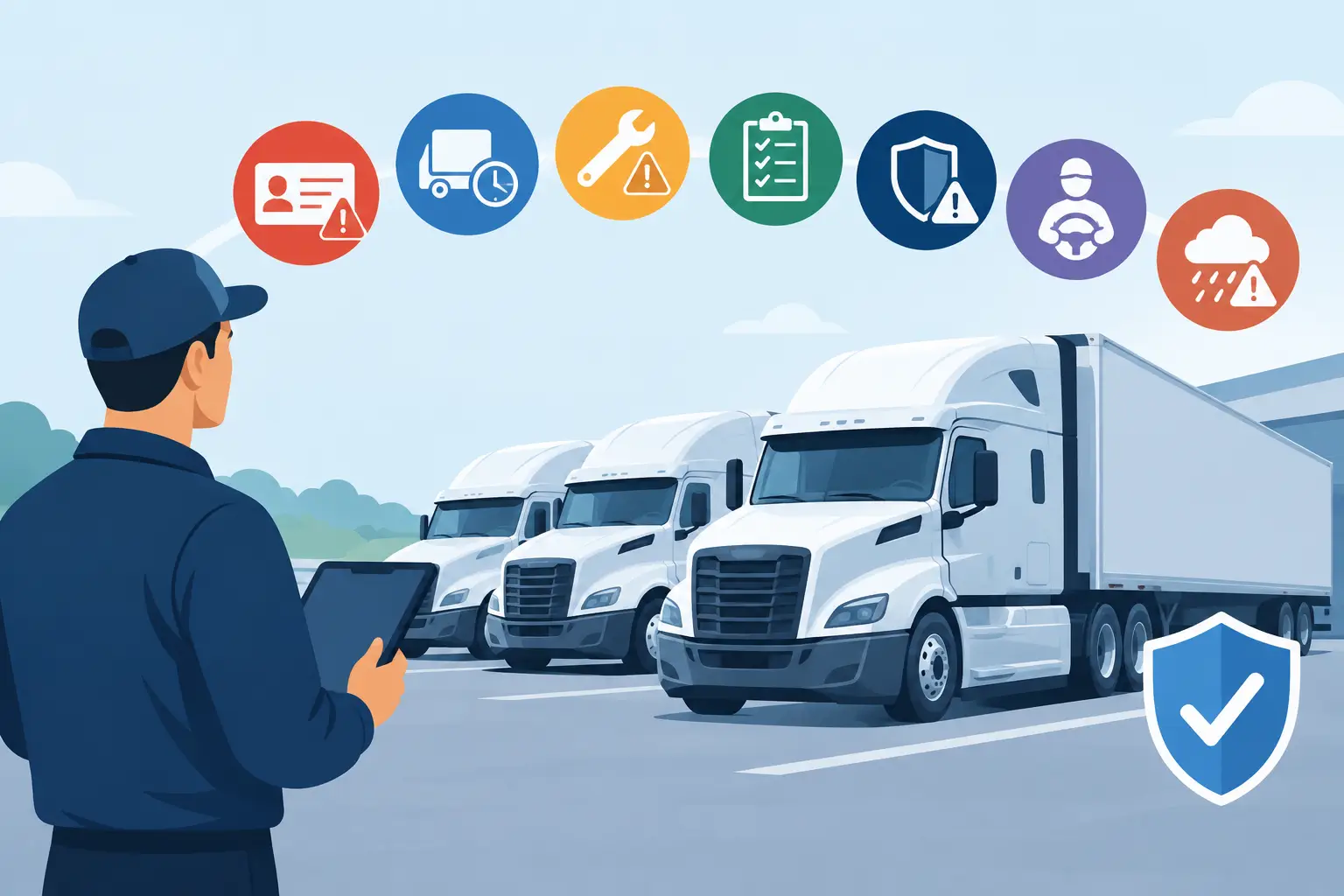
Employers often encounter problems not because they intended to avoid compliance, but because the program was built around isolated test events instead of a complete process. A local clinic cannot tell you whether your random selection rate is correct, whether a driver belongs in the right testing pool, or whether a Clearinghouse query is due.
Avoid relying on an employee to locate and pay for a test without clear authorization. Do not assume any occupational clinic can perform every DOT-required service. Do not use a non-DOT form when a DOT test is required. And do not wait until an accident or reasonable suspicion event to decide who will coordinate testing.
The lowest advertised collection price can also become costly if the site lacks proper capability, the employee is turned away, or the employer must repeat the test. The better comparison is total operational value: accessible locations, correct procedures, responsive support, reporting, and program oversight.
Build a testing program that works beyond one location
A scalable testing program gives employers a consistent process whether an employee is hired at headquarters or dispatched hundreds of miles away. It combines collection access with policy guidance, testing coordination, administrative support, and record management.
For smaller employers and owner-operators, outsourced program administration can reduce the burden of maintaining random pools, tracking annual requirements, and managing required documentation. For larger organizations, a centralized partner can provide location flexibility while supporting site-level reporting and operational control.
WOOTS supports employers with access to more than 20,000 collection sites across North America, along with DOT program management, C/TPA services, workplace testing coordination, and after-hours assistance. The goal is not simply to find a nearby site. It is to make sure the right test is completed correctly when your operation needs it.
Before the next hire, random selection, or incident, confirm that your testing process is ready. A nearby collection site is valuable. A prepared, compliant program gives that access a purpose.

Leave A Comment