
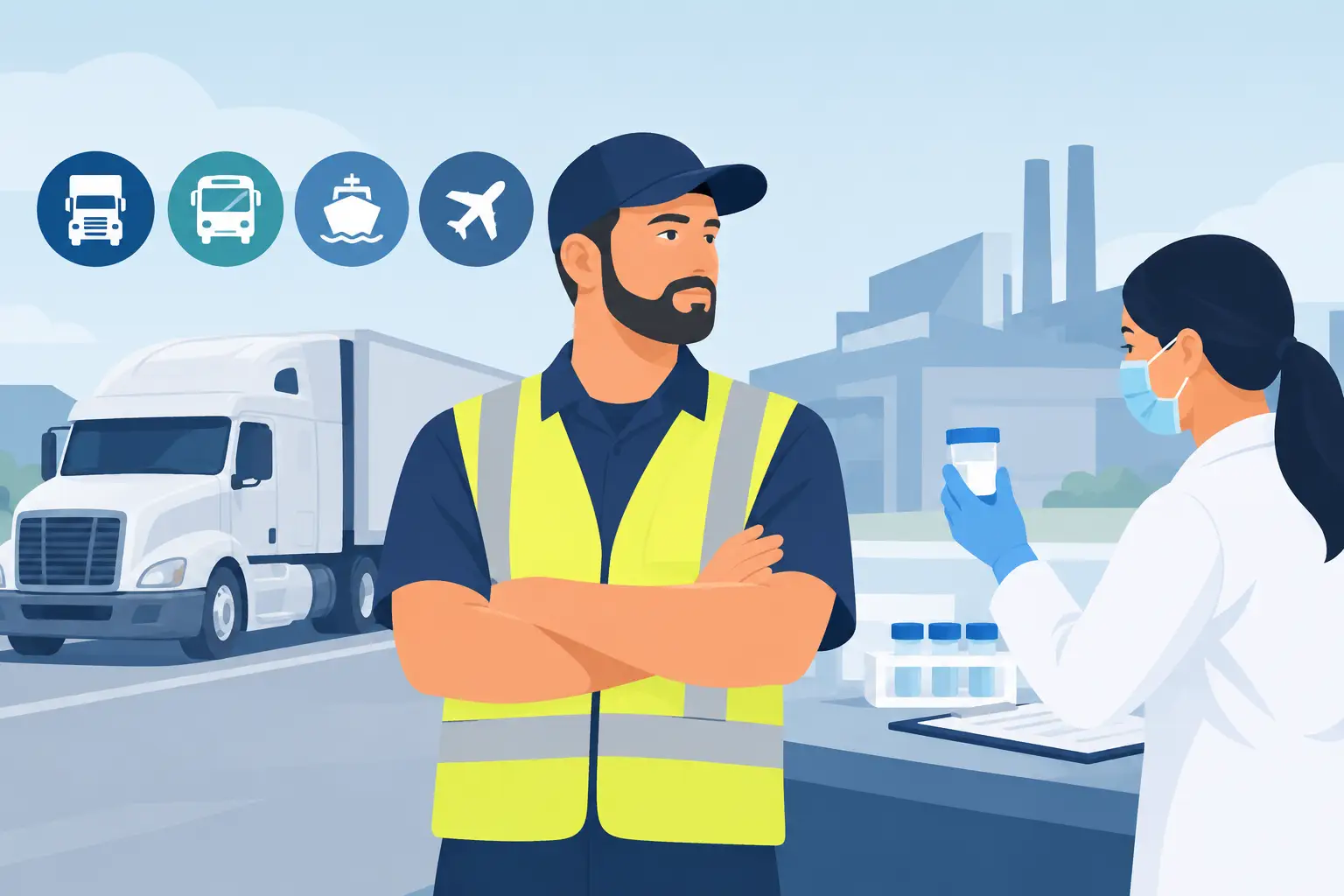
A driver can be subject to DOT testing even when the company has only one truck. A large employer can have hundreds of workers, yet only a small group may belong in its DOT testing program. The deciding factor is not company size, job title, or whether a worker holds a CDL. It is whether the employee performs a safety-sensitive function regulated by a U.S. Department of Transportation agency.
For employers asking who needs DOT testing, the answer starts with the work being performed and the federal agency that regulates it. Getting that distinction right is essential. A non-DOT workplace policy cannot replace a federally required DOT program, and placing the wrong employees in a DOT pool can create unnecessary administrative and privacy issues.
Who Needs DOT Testing?
DOT drug and alcohol testing applies to employees who perform safety-sensitive duties under the rules of a DOT agency. These rules cover regulated transportation operations in aviation, commercial motor vehicle transportation, public transit, rail, pipelines, and certain maritime operations.
Employers are responsible for identifying covered positions, maintaining the appropriate testing program, completing required testing events, and retaining records. An employee does not choose whether to participate. If their role is DOT-covered, testing is a condition of performing that safety-sensitive work.
The primary agencies and their covered workforces include:
- FMCSA: Commercial motor vehicle drivers who must hold a commercial driver’s license for regulated operations.
- FAA: Employees performing safety-sensitive aviation functions, such as flight crew duties, aircraft maintenance, dispatch, and certain ground and screening roles.
- FTA: Employees performing safety-sensitive duties for covered public transportation operations, including vehicle operation, maintenance, and dispatching.
- FRA: Railroad employees who perform regulated safety-sensitive functions.
- PHMSA: Employees who perform covered safety-sensitive functions in pipeline operations.
- USCG: Mariners and vessel personnel who are subject to applicable Coast Guard chemical testing requirements.
Each agency has its own rules for who is covered, which testing situations apply, and what records employers must maintain. DOT-wide procedures establish the collection and laboratory process, but agency regulations determine program requirements for the workforce.
CDL Drivers Are Often Covered, but Not Every Driver Is
FMCSA-regulated drivers are the group most employers associate with DOT testing. In general, a driver must be included in an FMCSA DOT testing program when they operate a commercial motor vehicle that requires a CDL in interstate or intrastate commerce subject to FMCSA rules.
That can include drivers of vehicles designed to transport 16 or more passengers, including the driver, or 9 or more passengers for compensation; vehicles carrying placardable hazardous materials; and vehicles with a gross combination weight rating or gross vehicle weight rating of 26,001 pounds or more, depending on the vehicle configuration.
However, a CDL holder is not automatically subject to DOT testing simply because they possess a CDL. The driver must be performing, or ready to perform, a DOT-covered safety-sensitive function for the employer. A warehouse employee with a CDL who never drives in a covered role may not belong in the FMCSA pool. Conversely, an owner-operator who drives a covered vehicle must have a compliant testing program even without a traditional employer structure.
This distinction becomes especially important when employees split their time between driving, maintenance, administration, and other duties. Employers should evaluate the actual duties assigned, not rely on titles alone.
Owner-Operators Need a Program Too
Owner-operators are often overlooked because they are both the business owner and the driver. If they operate under FMCSA regulations, they must participate in a DOT-compliant drug and alcohol testing program.
Because a driver cannot manage every aspect of their own random testing selection and testing records, many owner-operators use a consortium or third-party administrator. This provides random pool participation, testing coordination, documentation support, and assistance with required Clearinghouse responsibilities.
The DOT Testing Events Employers Must Manage
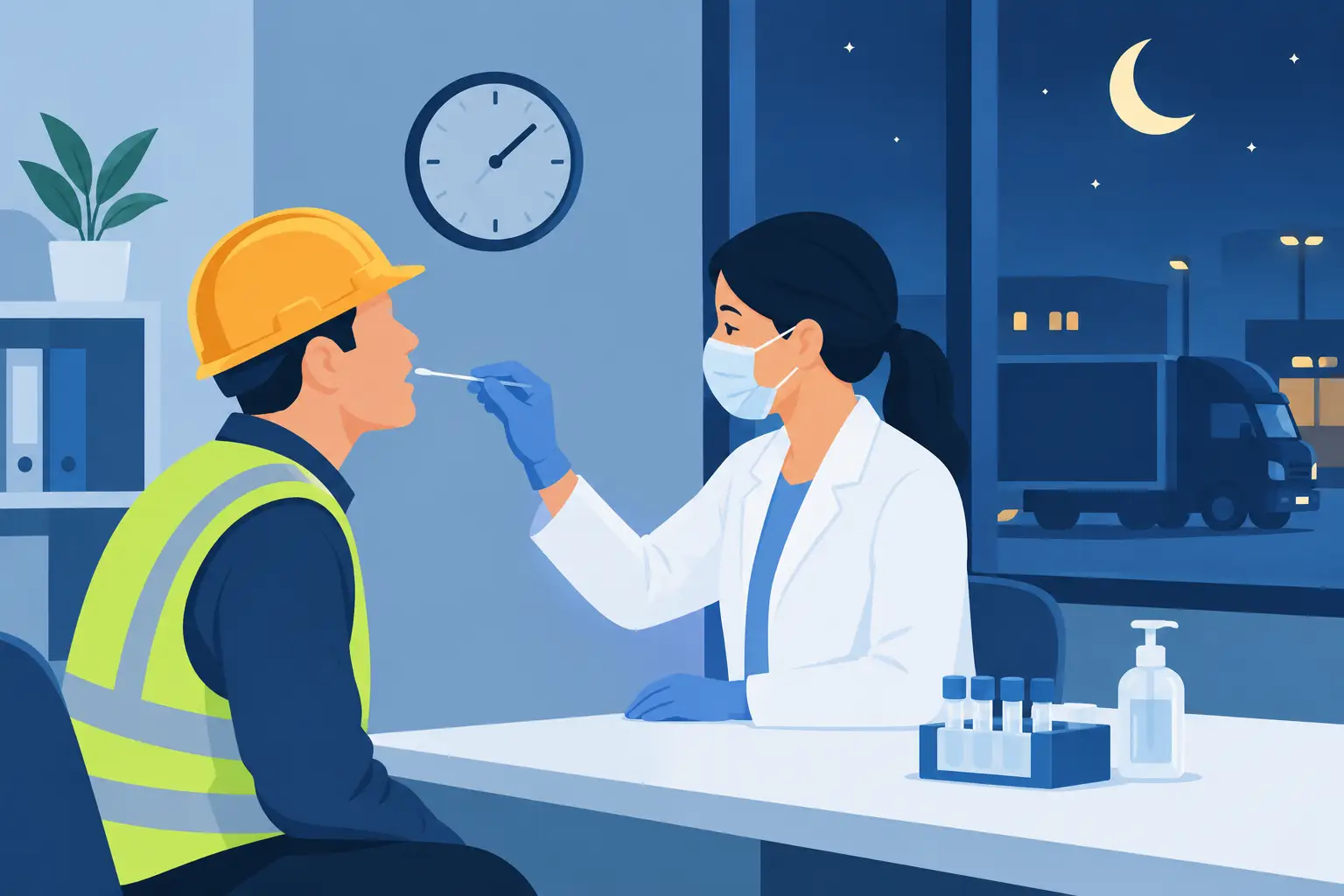
A DOT program is not limited to pre-employment drug testing. Depending on the applicable agency, employers may need to manage several testing circumstances throughout the employment relationship.
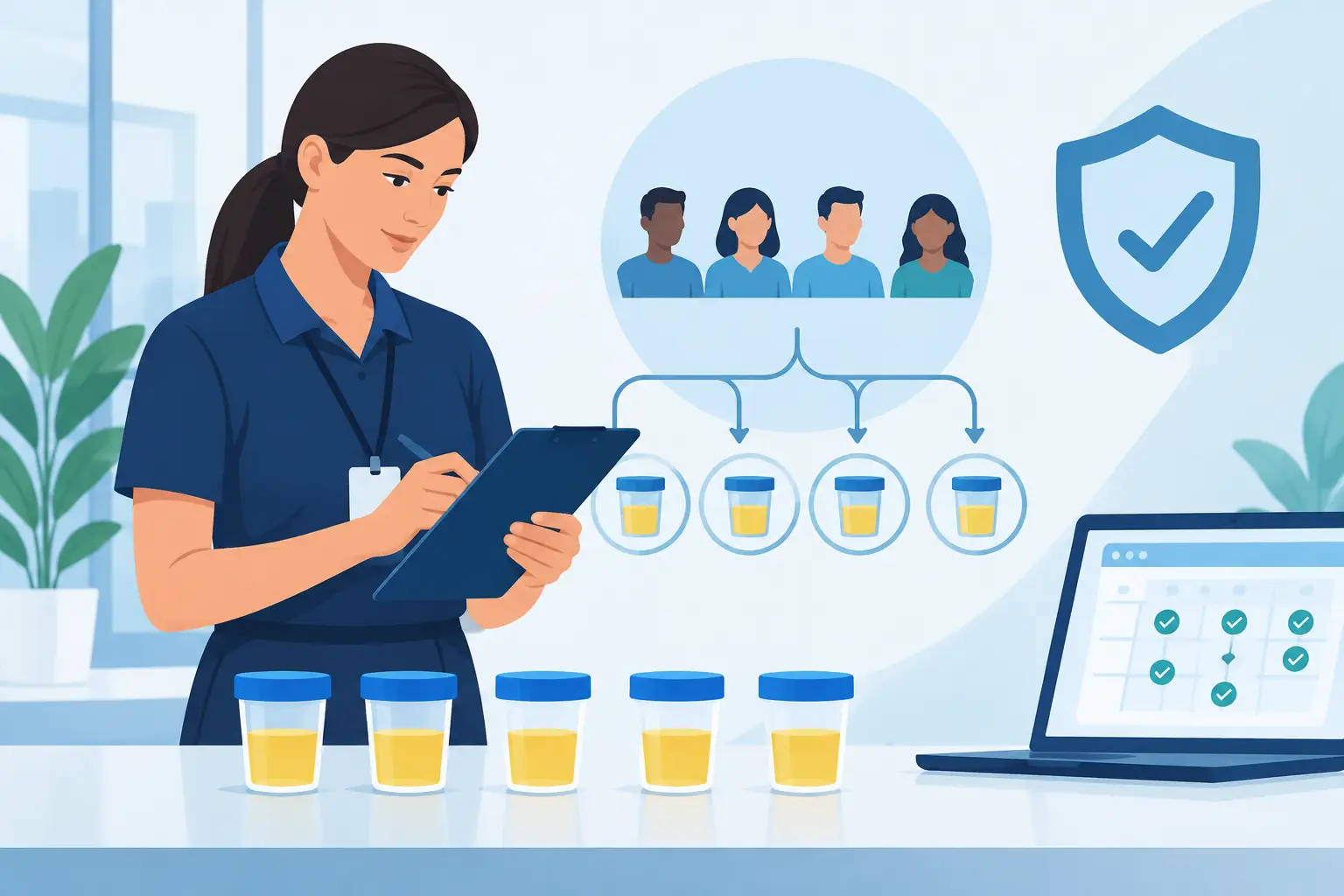
Pre-employment testing is generally required before a covered employee first performs safety-sensitive duties for an employer. Random testing must be conducted through a scientifically valid, unpredictable selection process. Reasonable suspicion testing may be required when a trained supervisor observes specific, contemporaneous signs of drug use or alcohol misuse.
Post-accident testing requirements vary by agency and event. For FMCSA employers, whether testing is required depends on the accident circumstances, including fatalities, citations, injuries requiring immediate medical treatment away from the scene, or disabling vehicle damage requiring towing. Employers need a clear response plan because delays can create compliance problems and make timely testing difficult.
Return-to-duty and follow-up testing apply after a DOT violation when an employee completes the required evaluation and treatment process with a Substance Abuse Professional. These tests follow a prescribed process. They are not optional employer decisions and cannot be handled as ordinary non-DOT testing.
DOT Testing Is Different From a Company Drug-Free Workplace Policy
Many employers operate both DOT and non-DOT testing programs. That is allowed, but the programs must remain clearly separated.
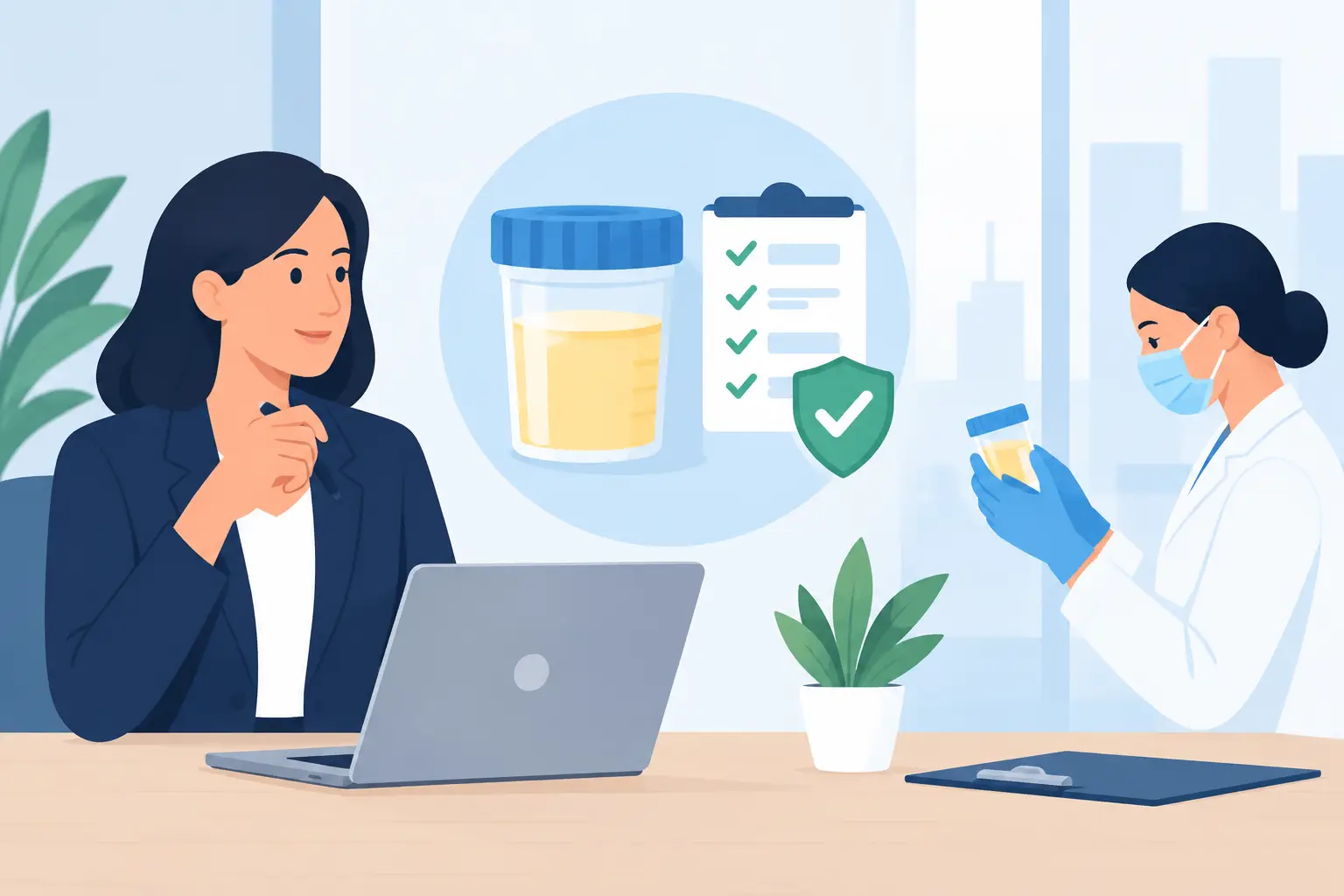
DOT testing uses specific federal procedures, including the federal Custody and Control Form, DOT-qualified collection procedures, laboratory testing standards, and Medical Review Officer review. The required drug panel, alcohol testing process, refusal rules, and return-to-duty procedures are also governed by regulation.
A non-DOT policy may test additional employees or include testing situations that are not part of DOT rules. For example, an employer may have a company policy for office staff, warehouse personnel, or Canadian employees who are not performing U.S. DOT-regulated work. Those tests should not be mislabeled as DOT tests.
The distinction matters when results are reported, when disciplinary action is considered, and when an employee has a DOT violation. A positive non-DOT test does not create a DOT Clearinghouse record. A DOT violation, on the other hand, triggers federally required removal from safety-sensitive duties and applicable reporting obligations.
Canadian Employers May Need DOT Testing for U.S. Operations
DOT testing is a U.S. federal requirement, not a general Canadian workplace requirement. Still, Canadian carriers and employers may need a DOT-compliant program when their employees perform safety-sensitive work that falls under U.S. DOT jurisdiction.
A Canadian trucking company whose drivers operate commercial vehicles into the United States may be subject to FMCSA drug and alcohol testing requirements. The same principle applies to other cross-border transportation operations regulated by a U.S. agency. The employer’s home office location does not remove the obligation.
For Canadian employees and operations that are not subject to U.S. DOT regulations, employers should use a workplace testing program designed for their organization, legal environment, and policy objectives. Trying to use one program for every worker often creates confusion. Separate pools, clear job classifications, and consistent reporting make administration more manageable.
Employers Must Also Manage Clearinghouse Duties
For FMCSA-regulated drivers, testing is only one part of compliance. Employers must use the FMCSA Drug and Alcohol Clearinghouse for required pre-employment full queries, annual limited queries, and reporting of certain drug and alcohol program violations.
Owner-operators, fleets, and employers with occasional CDL drivers can all have Clearinghouse responsibilities. Missing a query or failing to report required information can expose a business to enforcement risk even if its testing records are otherwise in order.
A practical program tracks driver status, testing history, random selections, Clearinghouse actions, supervisor training, and post-accident procedures in one organized process. This reduces the risk of a driver being missed after a transfer, rehire, change in duties, or expansion into new operations.
How to Determine Whether a Position Is Covered
Start by identifying every job that may involve transportation, vehicle operation, maintenance, dispatch, rail, aviation, pipeline, or vessel responsibilities. Then determine whether the role performs a safety-sensitive function under FMCSA, FAA, FTA, FRA, PHMSA, or applicable Coast Guard requirements.
Review the operation itself as well. Vehicle weight, passenger capacity, hazardous materials, route types, cross-border activity, and contract requirements can all affect coverage. If an employee occasionally performs a covered duty, the role may still require DOT program enrollment before that work begins.
When responsibilities are unclear, do not wait until an audit, accident, or random selection exposes a gap. Confirm coverage before assigning an employee to safety-sensitive work, establish the correct pool, and ensure supervisors know how to respond when a testing event occurs.
DOT compliance works best when testing is treated as an operating requirement rather than a last-minute task. A well-managed program gives employers a clear path to schedule tests, respond after an accident, maintain required records, and keep safety-sensitive employees ready for duty.




Leave A Comment