
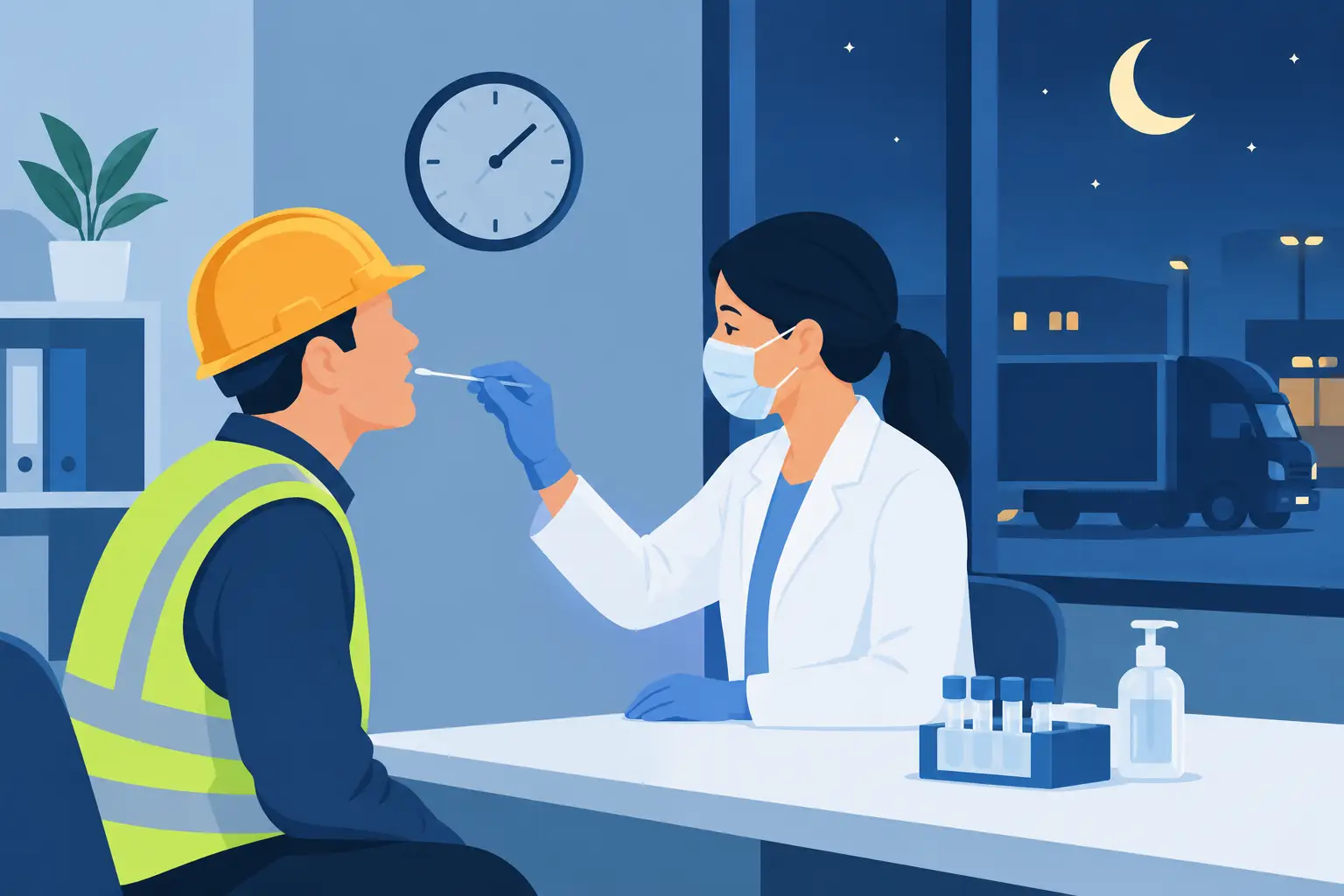
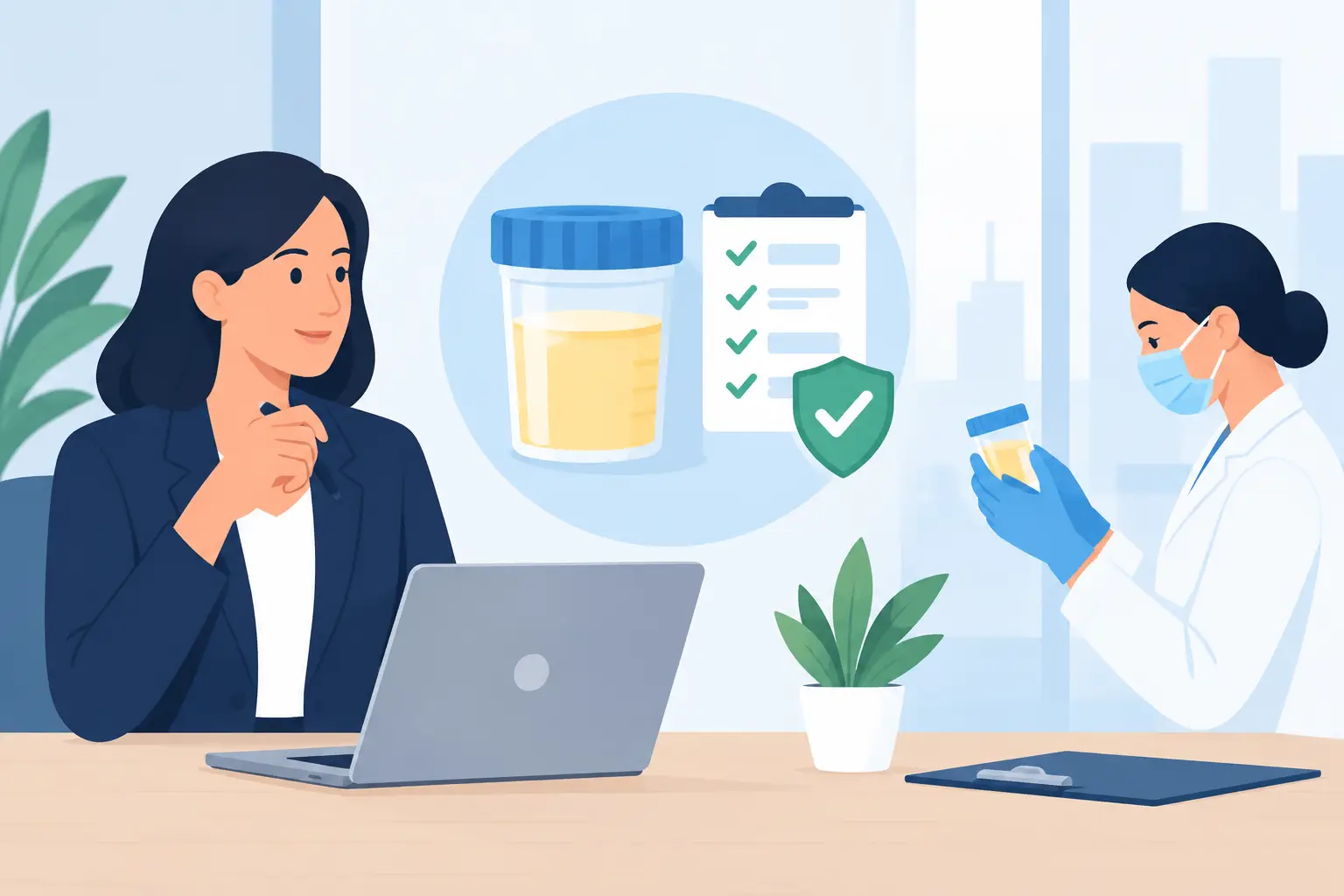
A post-accident call rarely arrives at 10:00 a.m. on a weekday. It can happen at the end of a night shift, on a holiday weekend, or miles from the nearest company office. After hours testing gives employers a defined way to respond when a DOT-covered event, reasonable suspicion decision, or workplace incident cannot wait for regular business hours.
For transportation companies and safety-sensitive employers, the goal is not simply to find an open collection site. The goal is to protect safety, follow the applicable testing rules, document every step, and get the employee to an appropriate collection location without unnecessary delay. That takes preparation, reliable access, and responsive support.
Why After Hours Testing Requires a Plan
Testing outside normal operating hours creates pressure points that do not exist during a routine weekday appointment. A supervisor may be working from the roadside. An employee may be in a remote location. The designated collection site may be closed, and the employer may need immediate guidance on the next step.
In regulated programs, timing matters. DOT post-accident alcohol testing should be completed as soon as practicable, with documentation required if it is not completed within eight hours. Drug testing should also occur as soon as practicable, with documentation requirements if it is not completed within 32 hours. These timeframes do not replace an employer’s responsibility to act promptly. They reinforce why a workable after-hours process is essential.
The details also depend on the DOT agency and the event. FMCSA post-accident testing triggers differ from FAA, FTA, FRA, USCG, and PHMSA requirements. Employers should not assume that every accident requires a test or that an employee may be sent for a DOT test without confirming the correct regulatory basis. A tested employee, a non-tested employee, and a test ordered under the wrong authority can all create avoidable compliance issues.
For non-DOT employers, the policy controls the response. Canadian and U.S. workplace testing programs may address post-incident testing, reasonable suspicion, return-to-duty conditions, or fit-for-duty concerns differently. Clear written policy language and consistent administration are especially important when decisions must be made after hours.
When After Hours Testing Is Commonly Needed
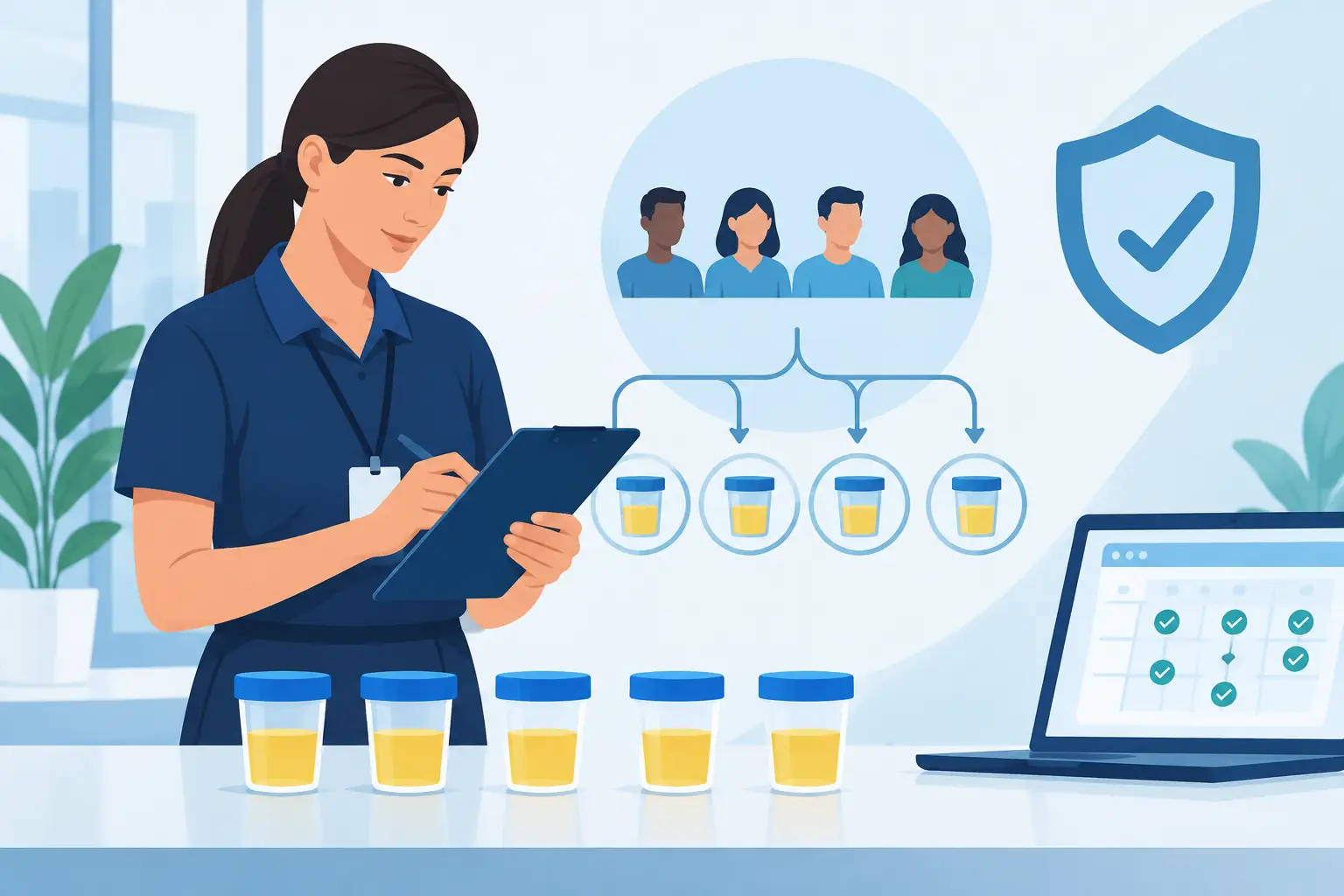
After-hours service is most often associated with post-accident testing, but it supports a wider range of operational needs. Transportation fleets with evening, overnight, and weekend operations may need testing access whenever their drivers are on duty. Manufacturing, construction, logistics, energy, and other safety-sensitive workplaces face similar scheduling realities.
Common situations include:
- A qualifying DOT accident involving a driver or other covered employee
- A reasonable suspicion determination made by a trained supervisor
- A workplace incident that meets the employer’s post-incident testing policy
- A scheduled test for an employee working outside standard business hours
- A return-to-duty or follow-up test that must be coordinated promptly
Each situation needs its own decision path. A post-accident event may require immediate action and agency-specific review. A reasonable suspicion test requires a contemporaneous supervisor observation and proper documentation. A scheduled overnight test may simply require access to a convenient site that can process the correct test type.
The difference matters. Speed is valuable, but speed without a defined process can lead to the wrong test, incomplete paperwork, a missed testing window, or an employee being directed to a site that cannot perform the required collection.
Build an After-Hours Testing Procedure Before You Need It
The most effective programs answer practical questions before an incident occurs. Who has authority to order a test? Which employees are covered? What information must the supervisor collect? How does the employee receive directions? Who receives the result and supporting documentation?
Start by identifying the people authorized to initiate testing. For a smaller company, that may be the owner, safety manager, and an on-call supervisor. Larger organizations may need a formal escalation list that includes dispatch, regional operations leaders, HR, and compliance staff. Keep names, phone numbers, and responsibilities current. A former manager listed as the after-hours contact is not a plan.
Next, provide supervisors with simple instructions they can use under pressure. They should know how to preserve safety at the scene, determine whether a DOT or company-policy test may be required, contact the testing support line, and document the facts. For DOT reasonable suspicion testing, supervisors must understand that observable signs and symptoms should be documented, not assumptions or secondhand reports.
Employee instructions should be just as clear. Employees need to know they may be directed to a collection site after an incident and that refusing or failing to remain available can have serious consequences under DOT rules or company policy. They should also understand transportation expectations. An employer can arrange transportation or other support when needed, but should not make unsafe assumptions about an employee’s ability to drive.
What a Reliable Response Looks Like
A strong after-hours response begins with the facts. The employer or supervisor should identify the employee, location, employer account information, test reason, and whether the test is DOT-regulated or non-DOT. For DOT testing, the correct agency and testing authority should be confirmed before the collection is arranged.
From there, the testing coordinator can locate an appropriate collection site, verify availability, and provide clear instructions. Not every site has the same hours, services, or capability. A site that performs a routine occupational collection may not be the right option for every after-hours situation. Confirming the collection type in advance reduces the risk of an unsuccessful trip.
Once the employee is directed for testing, document the timeline. Record when the incident or observation occurred, when the decision to test was made, when the employee was notified, when the collection was scheduled, and any reason for delay. If a required DOT test cannot be completed within the applicable timeframe, maintain the required records explaining why.
For employers managing multiple locations, consistency is critical. A driver in one state and a technician in another should both receive the same level of direction, documentation, and program oversight. Access to a large collection network helps, but it works best when paired with knowledgeable coordination and a tested internal process.
Compliance Does Not End at the Collection Site
A completed collection is only one part of the program. Employers must ensure records are handled appropriately, results are reported to authorized contacts, and any required follow-up actions are completed. DOT-regulated employers may also have Clearinghouse responsibilities, depending on the violation or result involved.
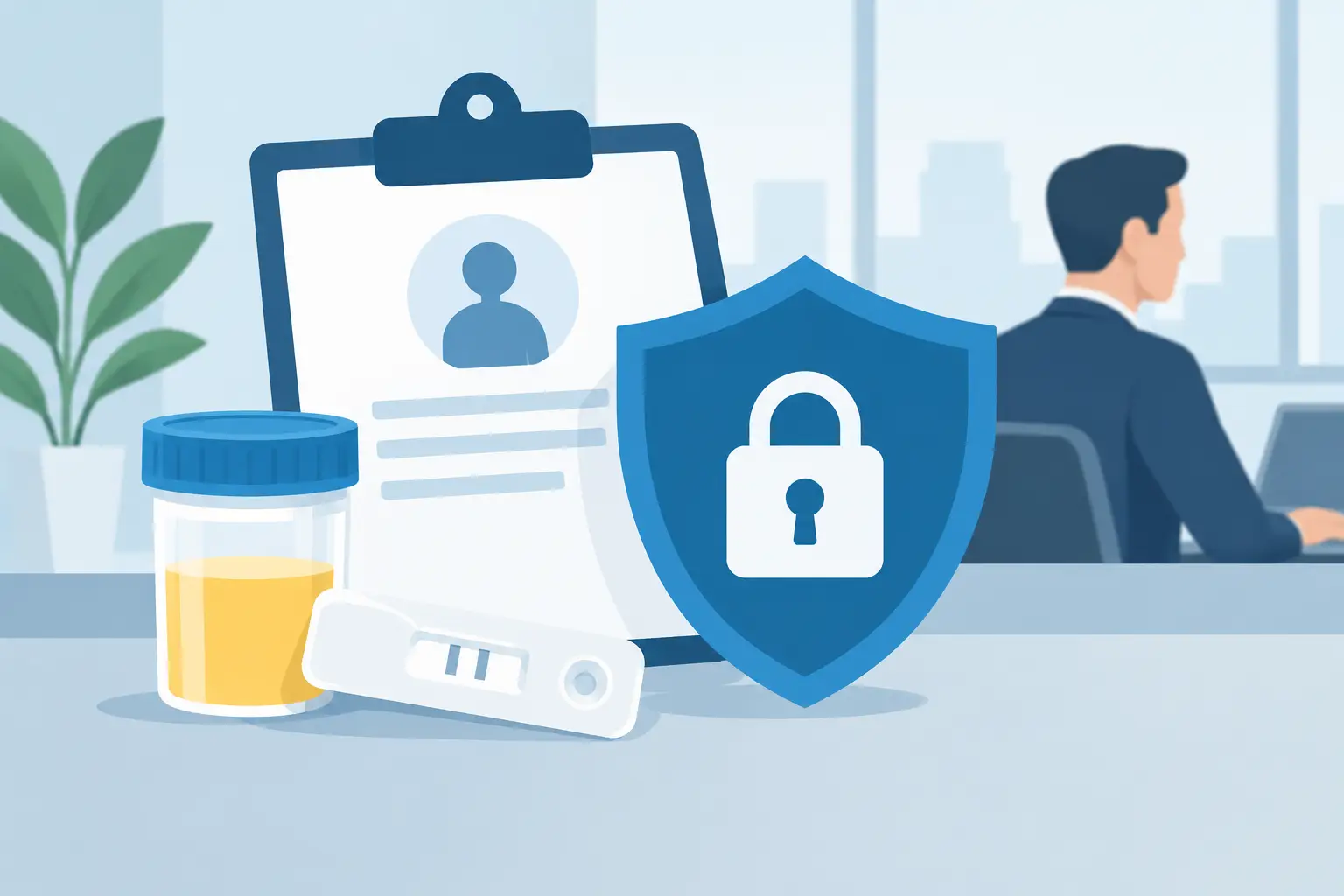
Protect confidentiality throughout the process. Test reasons, observations, results, and medical information should be shared only with those who have a legitimate business or regulatory need to know. Supervisors do not need broad access to results to manage an overnight event. They need enough information to take the correct immediate action.
Training is another essential control. Supervisors should receive required DOT reasonable suspicion training where applicable and practical instruction on the company’s after-hours procedure. A binder in an office is not enough if dispatch and field supervisors cannot use the process at 2:00 a.m.
Choosing After-Hours Testing Support
Employers should look beyond advertised availability. Ask whether the provider can coordinate collections after regular hours, support DOT and non-DOT programs, identify appropriate collection options, and provide responsive guidance when the facts are still developing.
The right support model depends on your operation. A local business with a small daytime workforce may need occasional post-incident coordination. A regional carrier or 24/7 operation needs broader coverage, defined escalation procedures, and reporting that supports ongoing compliance management. WOOTS supports employers with after-hours service, broad collection access, and practical coordination for DOT and workplace testing needs.
Test the process before an emergency exposes its gaps. Review your contacts, train your supervisors, confirm your account details, and make sure the people responsible for overnight decisions know exactly who to call. When a real event occurs, a prepared response protects your employees, your operations, and your compliance record.



Leave A Comment