

A missed post-accident test, an out-of-date random selection list, or a supervisor who does not recognize reasonable suspicion can create far more than an administrative problem. For transportation employers and other high-risk operations, safety sensitive testing protocols are a working part of the safety system. They must hold up when a driver is dispatched at midnight, an incident occurs away from the terminal, or an auditor requests records.
The goal is not simply to order a test. A reliable program identifies who is covered, applies the right testing authority, protects the integrity of every collection, and documents each decision from start to finish. That requires clear internal procedures, trained people, and testing support that is available when operations need it.
Start With the Correct Regulatory Framework
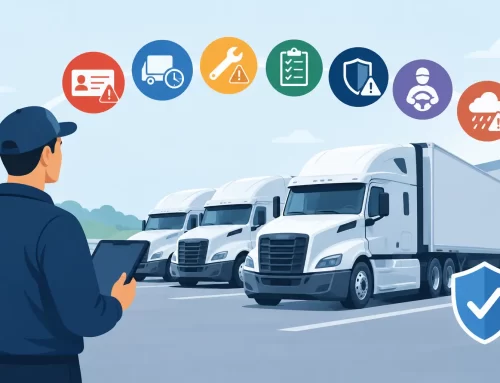
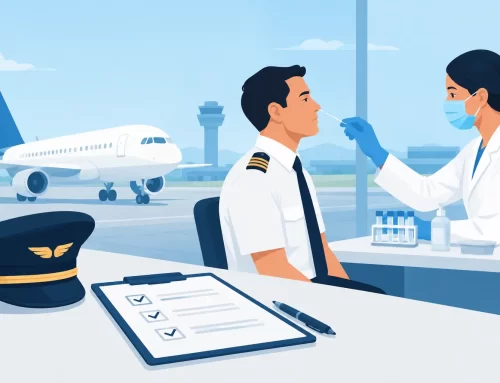
The first question is whether the position is subject to a U.S. Department of Transportation drug and alcohol testing rule. DOT testing requirements apply to employees who perform safety-sensitive functions in covered transportation modes. The applicable agency matters because testing rates, definitions, required records, and reporting obligations can differ among FMCSA, FAA, FTA, FRA, PHMSA, and USCG programs.
A commercial motor vehicle driver operating under FMCSA rules, for example, must be managed under an FMCSA-compliant program. That includes drug and alcohol testing procedures, Clearinghouse responsibilities, and the return-to-duty process when applicable. Employers should not substitute a general workplace policy for a DOT program or blend the two without clear separation. A non-DOT test may support an employer policy, but it does not fulfill a DOT-required test.
For Canadian employers, the approach is often policy-driven rather than governed by a single DOT-style federal testing framework. Human rights considerations, collective agreements, privacy obligations, provincial requirements, and the nature of the role can affect what testing is appropriate. Employers should define the business and safety rationale for their program and obtain appropriate legal guidance when developing policy.
Define Who Is Covered and When Testing Applies
Testing failures often begin with an incomplete roster. A safety-sensitive employee is not necessarily identified by job title alone. Review the actual duties performed, including occasional or backup assignments. An employee who only performs a covered function periodically may still need to be included in the applicable testing pool.
Your written protocol should state which roles are covered, who is responsible for roster updates, and when a worker enters or leaves a pool. Build this into hiring, transfers, leave status, contractor onboarding, and termination processes. If dispatch, HR, safety, and operations maintain different employee lists, designate one source of truth and reconcile it regularly.
For DOT-covered employees, procedures also need to address the required testing events. These commonly include pre-employment, random, reasonable suspicion, post-accident, return-to-duty, and follow-up testing. Each event has a specific trigger. Treating every incident as a post-accident testing event, or delaying a required test while managers debate next steps, can expose the employer to compliance risk.
Pre-Employment and Random Testing
A DOT drug test with a verified negative result is required before a covered employee first performs a safety-sensitive function for an employer. For certain FMCSA-covered drivers, employers must also complete the required Clearinghouse query process before allowing the driver to operate a commercial motor vehicle. These are separate compliance actions, and both should be documented.
Random testing must be scientifically valid, unpredictable, and conducted at the required annual rate for the applicable agency. Managers should never handpick employees or give advance notice. A defensible random program uses a properly maintained pool, an impartial selection method, prompt notification, and records showing that selected employees were tested within the required period.
Random selections also require practical planning. If an employee is on vacation, out of service, or otherwise unavailable, the employer should follow its documented process rather than quietly removing the selection. A well-managed testing pool and responsive collection-site access make random testing easier to complete without interrupting the program.
Reasonable Suspicion and Post-Accident Testing
Reasonable suspicion testing is based on specific, contemporaneous observations concerning appearance, behavior, speech, or body odors. It is not a tool for resolving a personality conflict, responding to rumor, or punishing poor performance. Supervisors must receive the required training and know how to record objective observations promptly.
The written record should identify what was observed, when it was observed, and who made the determination. If a DOT alcohol test cannot be administered within the applicable time frame, or a drug test cannot be completed within the applicable period, employers must follow the required documentation process. Do not invent a reason after the fact. Record the actual circumstances and preserve supporting information.
Post-accident procedures should be available to supervisors and drivers before an incident happens. They need to know who to call, how to arrange a collection after hours, what immediate medical care takes priority, and what information must be captured. For DOT programs, post-accident testing criteria are not triggered by every accident. The agency rule and the facts of the event determine whether testing is required.
Protect the Integrity of the Test
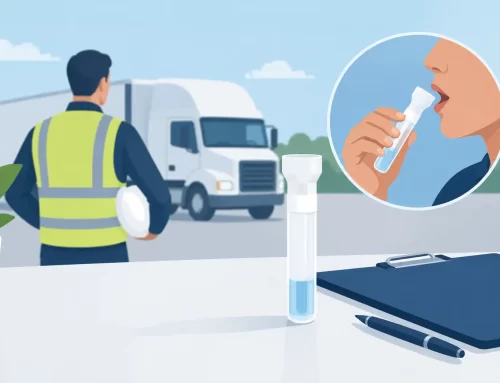
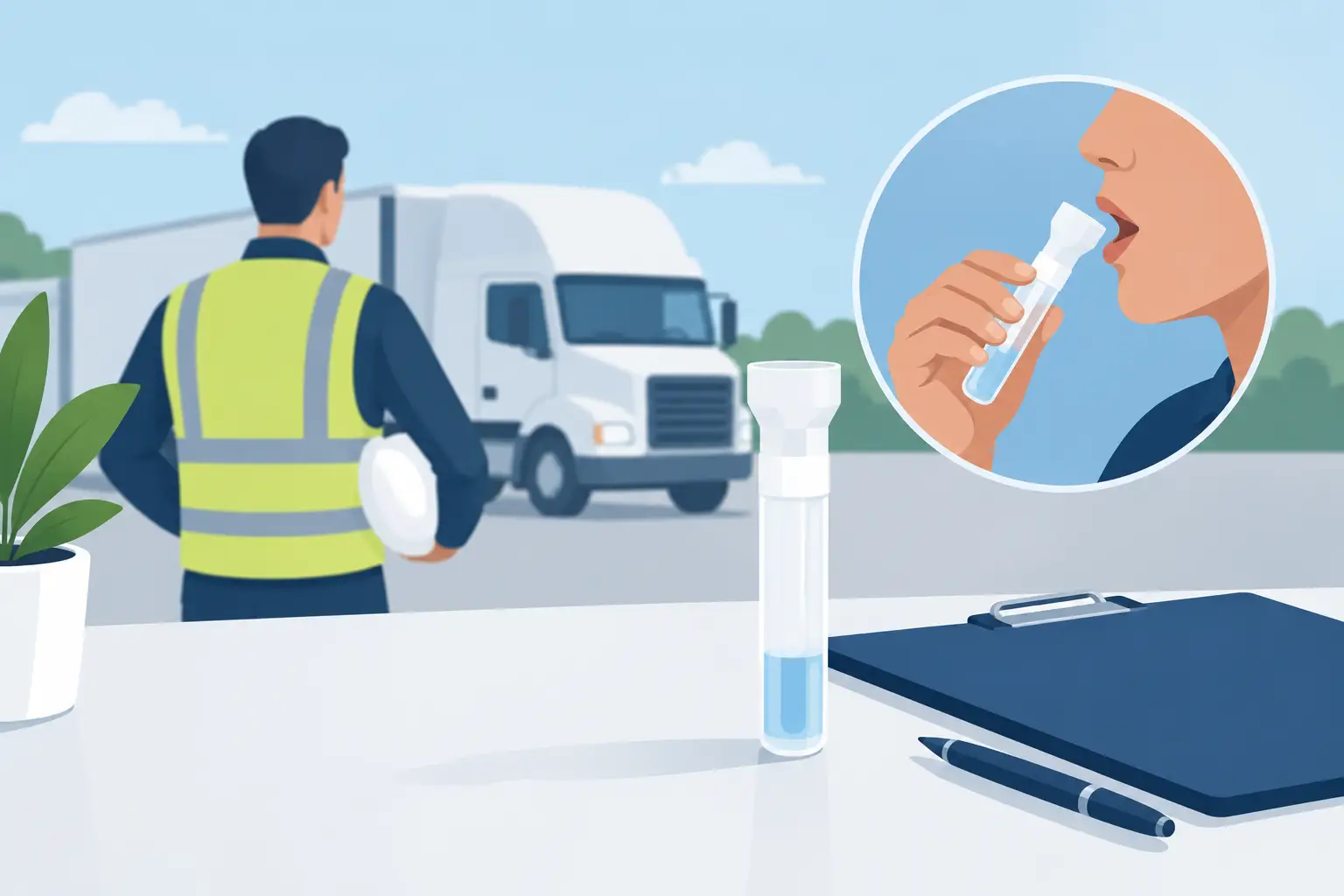
A compliant test depends on more than a laboratory result. The collection process, chain of custody, medical review, and record handling all affect whether the result is valid and defensible.
Employers should use qualified collection sites and trained collectors who follow the correct federal or employer-policy procedures. The chain-of-custody form must be complete and accurate. Errors should be corrected only through permitted procedures, not by informal edits or assumptions made after the employee has left the site.
For DOT drug testing, the Medical Review Officer plays a critical role. A laboratory result is not reported as a verified positive to the employer until the MRO has reviewed it and provided the employee an opportunity to discuss legitimate medical explanations. Employers should avoid treating a laboratory result as final before MRO verification.
Alcohol testing has its own process and timing requirements. A confirmed alcohol test result must be handled according to the applicable rule and employer policy. Supervisors and dispatch personnel need clear direction on immediate removal from safety-sensitive duties when required. They should not be left to interpret thresholds or make case-by-case decisions without support.
Create a Response Process Before You Need It
Testing protocols become operationally useful when they answer the next question, not just the first one. What happens if a driver refuses a test? Who records the refusal? Who removes the employee from duty? Who manages a positive result, a cancellation, or a return-to-duty requirement? Who updates required DOT records and, when applicable, the Clearinghouse?
Document these responsibilities by role. Operations may arrange coverage and remove an employee from a safety-sensitive assignment. HR may manage policy communications and employment decisions. A designated employer representative may receive test results and coordinate compliance actions. A service partner can coordinate testing, reporting, and program administration, but the employer still needs accountable internal decision-makers.
Refusals deserve special attention. Under DOT rules, refusal can include more than declining to provide a specimen. Depending on the circumstances, it may include failing to appear, leaving before the process is complete, failing to provide a sufficient specimen without an adequate medical explanation, or interfering with the testing process. Staff should escalate potential refusals immediately rather than making an informal judgment at the collection site or terminal.
For a DOT violation, the employee must be immediately removed from safety-sensitive duties. The process then involves required information about the return-to-duty process and evaluation by a qualified Substance Abuse Professional when applicable. An employer policy may be more restrictive in certain employment decisions, but it cannot bypass federally required steps for a covered employee seeking to return to a DOT safety-sensitive role.
Keep Records That Tell the Full Story
An audit-ready file makes it possible to show what happened, when it happened, and why. Store records securely, limit access to authorized personnel, and maintain them for the required retention periods. DOT and non-DOT records should be clearly separated to prevent accidental disclosure or improper reporting.
A complete program record commonly includes policy acknowledgments, supervisor training records, testing pool records, random selection documentation, chain-of-custody forms, MRO reports, alcohol testing records, post-accident documentation, and records of any follow-up actions. The exact retention period depends on the record type and governing rule, so do not apply one blanket schedule to every document.
Electronic reporting can reduce administrative burden, but it does not eliminate the need for review. Designate someone to check that rosters are current, selections are completed, results are received, and required actions are documented. Access to a broad collection network and after-hours coordination can also be the difference between a protocol that looks good on paper and one that works during a real operational event.
Make Training Part of the Protocol
Written procedures are only effective when supervisors and employees understand them. Employees should know when testing may occur, where to report, what constitutes a refusal, and how confidentiality is handled. Supervisors need more detailed training because they may be the first people asked to act after an observation or accident.
Training should use the situations your operation actually faces: a driver reporting for duty with concerning behavior, a collision on a weekend, a selected employee working at a remote location, or a collector reporting a problem with the testing process. These scenarios reveal gaps in contact lists, authority, scheduling, and documentation before they become compliance failures.
The strongest protocols are practical enough to be followed under pressure. Review them regularly, test the after-hours response process, and update responsibilities when your workforce, routes, or regulatory obligations change. When a safety-sensitive decision cannot wait, a prepared employer has a clear next step.




Leave A Comment