
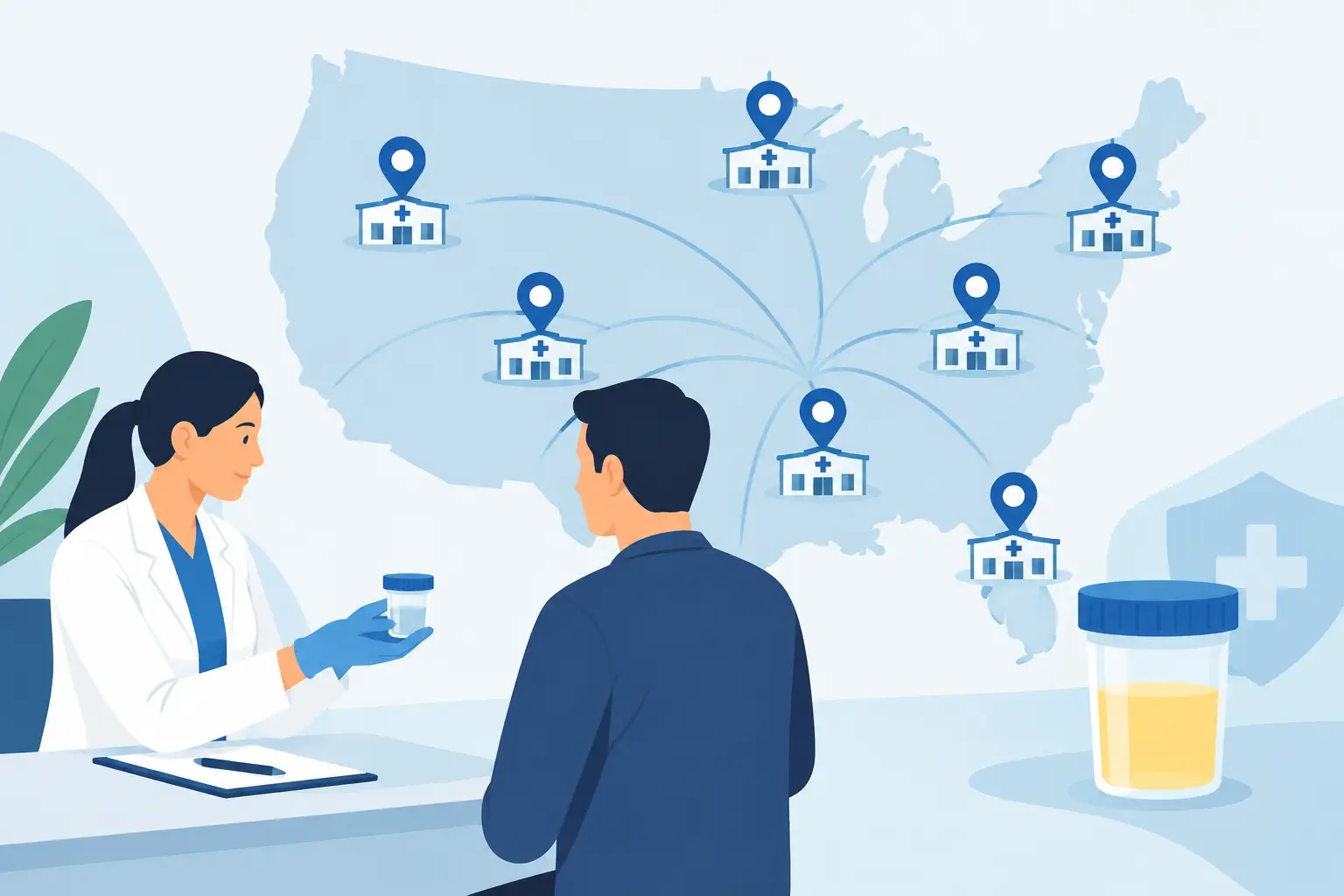
When a driver is dispatched hundreds of miles from home, a testing program is only as useful as the location available when the test must happen. Nationwide drug testing collection sites give employers a practical way to keep testing accessible for mobile employees, remote hires, multiple terminals, and time-sensitive events without forcing workers to travel unreasonable distances.
For regulated employers, collection access is more than a convenience. It affects whether a test is completed on time, whether the collection is properly documented, and whether the employer can demonstrate that its program was administered consistently. The right network supports the operational side of compliance while reducing the administrative burden on safety, HR, and dispatch teams.
What Nationwide Drug Testing Collection Sites Actually Provide
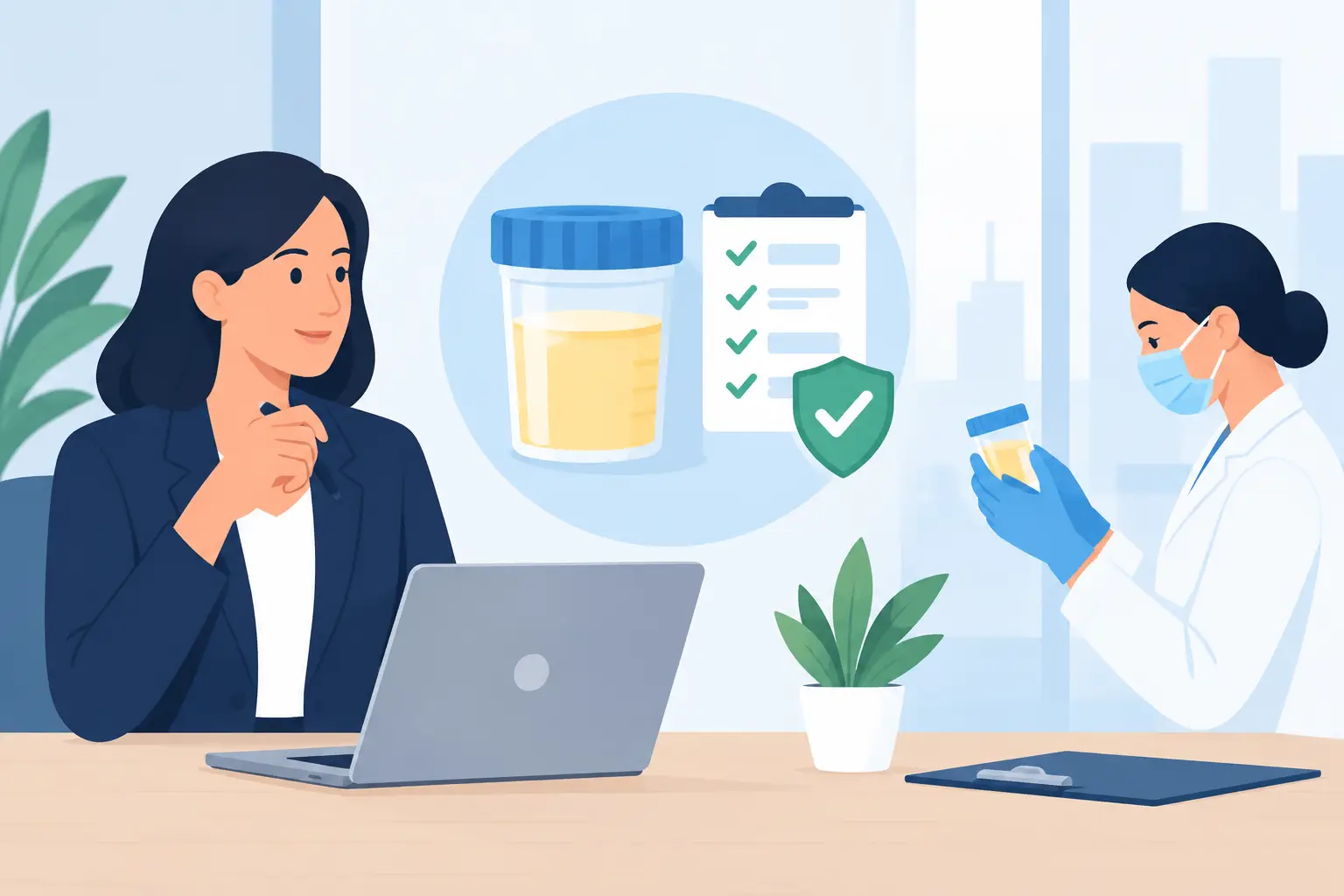
A collection site is the location where a specimen is collected under the required procedures. It is not necessarily the laboratory that analyzes the specimen, the medical review officer who reviews certain results, or the employer’s program administrator. Those functions work together, but they are separate parts of a complete testing process.
A nationwide network lets an employer direct an applicant, driver, technician, or other employee to an appropriate location near where that person is working or living. Depending on the program and location, services may include urine drug collections, breath alcohol testing, hair testing, oral fluid collection, physicals, and other occupational testing services.
Coverage matters because workforces do not stay in one place. A regional carrier may need testing access near a terminal one day and near a delivery route or repair facility the next. A company hiring across several states needs a pre-employment process that does not create a different experience for every applicant. For post-accident or reasonable suspicion situations, the nearest suitable site may be the difference between an orderly response and an avoidable delay.
Why Collection Site Access Is a Compliance Issue
DOT-regulated testing programs require more than sending an employee to any clinic. Employers must follow the testing rules that apply to their agency, including the correct custody and control documentation, test type, timing expectations, and recordkeeping practices. A collection site network should support the process, not leave supervisors to determine the requirements during an urgent situation.
For example, an FMCSA-regulated employer may need a DOT drug test with a properly completed federal custody and control form. Alcohol testing has its own requirements and may require a qualified technician and approved evidential testing equipment, depending on the circumstances. A clinic that handles general workplace testing may not be the right choice for every DOT collection.
The same principle applies to post-accident testing. Employers need a defined response plan before an accident occurs, including who decides whether testing is required, how the employee is directed to a site, and what documentation is retained. A collection network is valuable, but it cannot replace a clear company policy or trained decision-makers.
Timing, Distance, and Availability
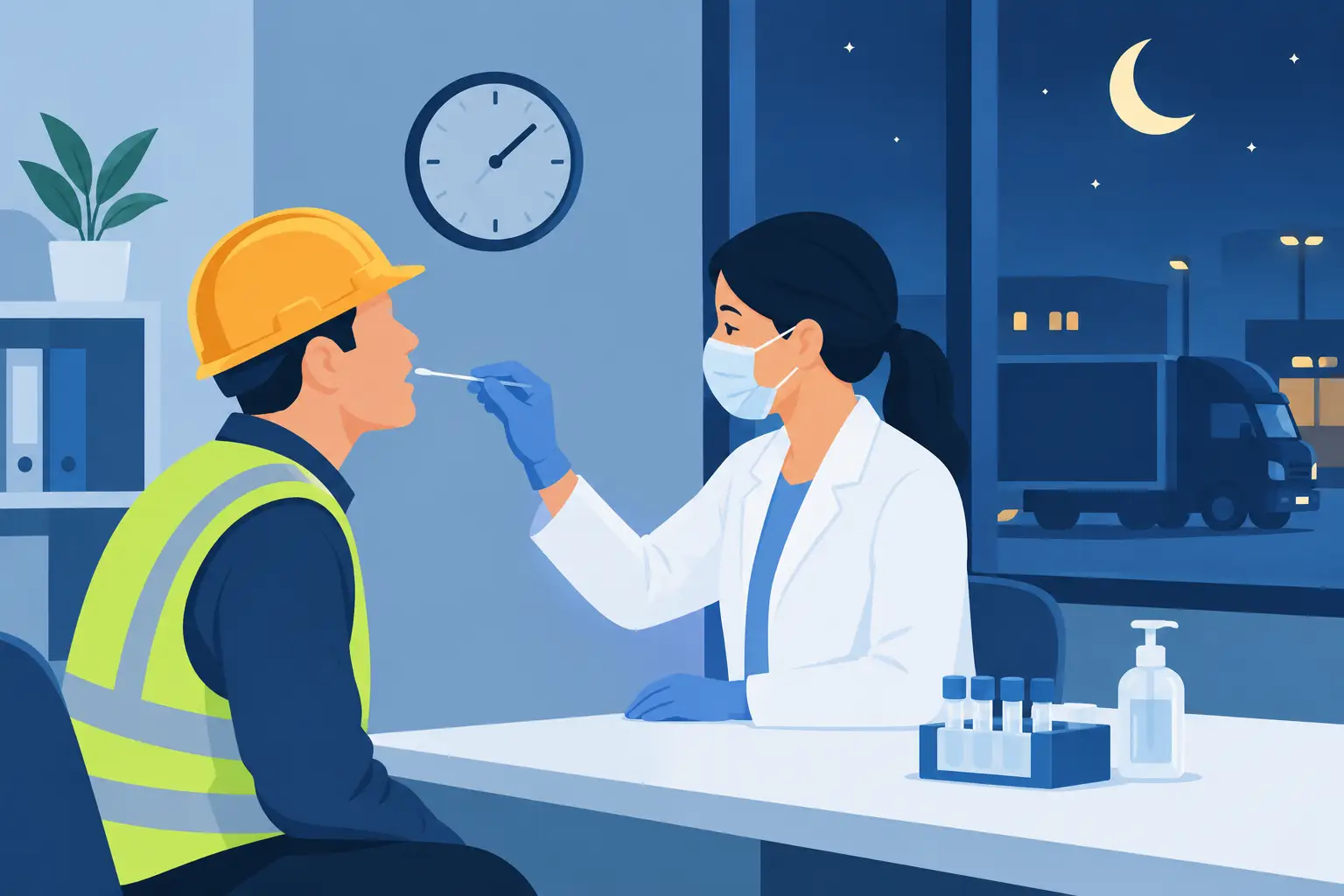
The closest location is not always the best location. A site may have limited hours, may not provide the required service, or may not be equipped to complete an alcohol test at the time it is needed. Employers should consider the reality of their operations: overnight routes, weekend shifts, rural service areas, and employees who work away from a fixed terminal.
This is where after-hours coordination becomes particularly valuable. A driver involved in an event at 10 p.m. cannot wait until the next business day for instructions. Employers should know who their supervisors call, how authorization is issued, and how they will locate an appropriate facility outside normal office hours.
How to Evaluate a Collection Site Network
A large site count is useful, but it should not be the only measure. Employers need access that fits their actual workforce and testing obligations. Before selecting a provider, assess whether the network can reliably support the following needs:
- DOT and non-DOT testing options that are clearly separated and correctly authorized
- Collection locations near terminals, hiring markets, remote employees, and regular travel corridors
- After-hours assistance for post-accident and other urgent testing needs
- Electronic test ordering, status visibility, and reporting that reduce manual follow-up
- Consistent support for chain-of-custody documentation, medical review, and records retention
Ask for more than a map of locations. Review the process for locating sites, confirming available services, sending an employee, and resolving an issue when a site cannot perform the required collection. A strong network is supported by responsive coordination, not just a searchable directory.
Look for Coverage Where Your People Work
National coverage can still have gaps. A fleet with routes through major cities may have many choices, while a contractor serving oil fields, rural communities, ports, or border regions may need a more deliberate plan. Identify the areas where a missed test would create the greatest operational risk.
It is also wise to evaluate collection access during hiring. If your recruiting team regularly brings on employees in new states, determine whether candidates can complete a pre-employment test promptly and whether the result flows back to the right people. Delays in this stage can postpone onboarding and leave open positions unfilled longer than necessary.
Build Testing Workflows Before You Need Them
Collection access works best when it is built into a documented testing workflow. Supervisors should not have to search for instructions while managing an accident scene or responding to a reasonable suspicion concern. They should know the reporting path, the authorization process, and the limits of their role.
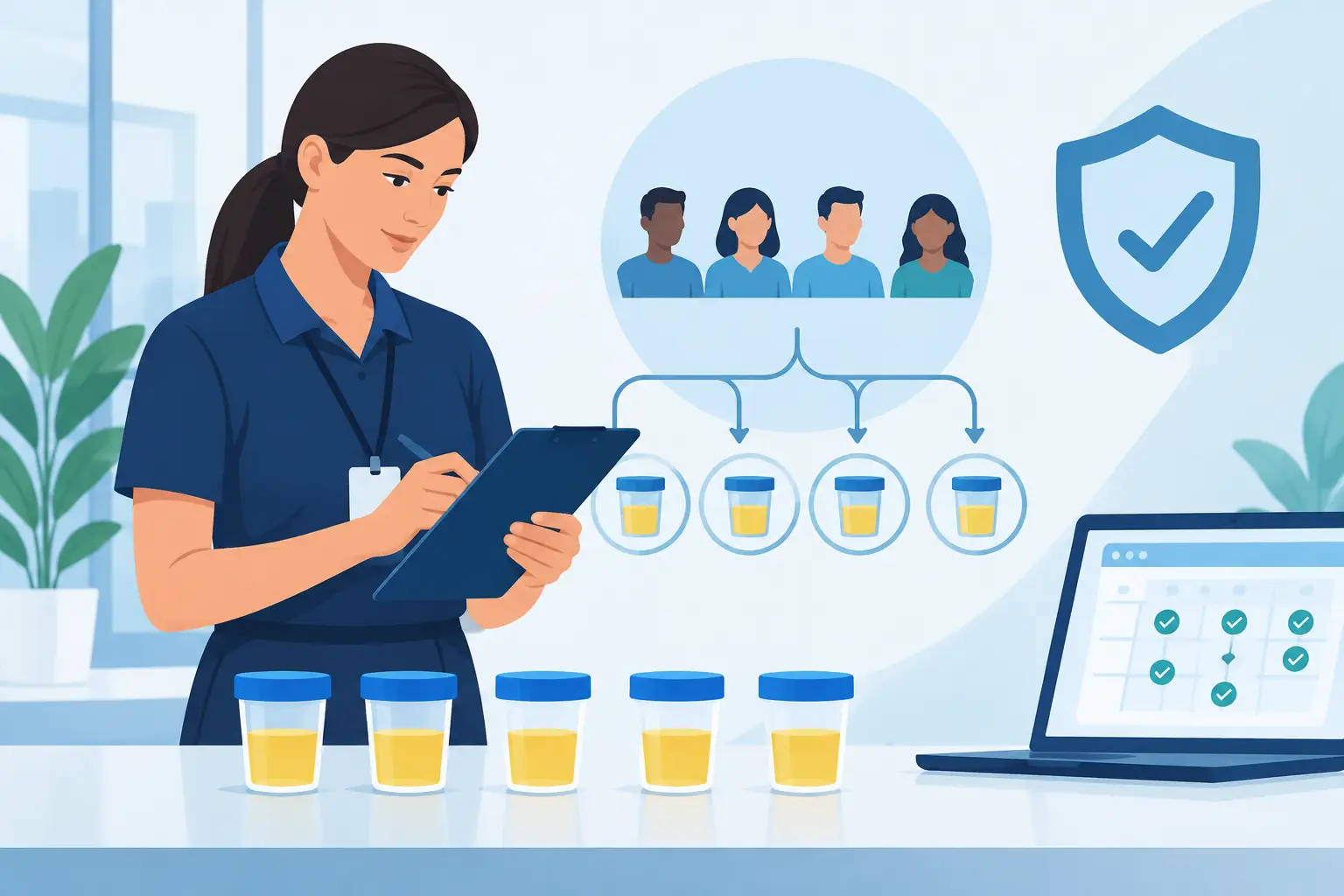
For routine testing, employers can establish a straightforward process for pre-employment, random, return-to-duty, follow-up, and reasonable suspicion testing. Each event should trigger the right authorization and documentation. For DOT programs, random selections must be scientifically valid and managed at the required annual testing rates for the applicable agency.
For urgent events, the process should account for transportation, employee safety, site hours, and timely communication. If an employee cannot reasonably reach a site, the employer needs a documented plan for identifying an alternate location or arranging an appropriate service. Guesswork is not a compliance strategy.
Train Supervisors for the Moment That Matters
Supervisor training is closely connected to collection site access. Training helps supervisors recognize reasonable suspicion indicators, take appropriate action, protect confidentiality, and contact the right support resource. It does not authorize supervisors to diagnose impairment or conduct testing outside company policy.
A trained supervisor who has clear instructions can move quickly while treating the employee fairly. That protects the employee, the public, and the employer. It also reduces the risk of inconsistent decisions across locations and shifts.
Keep Documentation Connected to the Test
A completed collection is only one part of a defensible program. Employers must maintain the records required for their testing program, including test results, refusals, education and training records, and other documentation for the applicable retention periods. DOT employers also have agency-specific responsibilities, including Clearinghouse requirements for FMCSA-regulated drivers.
Centralized reporting makes this work easier. Rather than collecting paper records from individual managers or trying to reconcile results from multiple vendors, employers can review testing activity, identify incomplete orders, and prepare for audits from a single administrative process. Customized reporting can also help safety managers track activity by terminal, department, agency, or employee group.
Privacy still matters. Access to testing information should be limited to people with a legitimate business need, and employers should follow applicable federal, state, and company requirements for handling confidential records. Convenient reporting should never mean broad or uncontrolled access to sensitive information.
The Right Network Supports More Than Testing
Nationwide collection coverage is most effective when it is part of a broader compliance program. Employers may need assistance with DOT policy administration, random pool management, Clearinghouse tasks, supervisor training, medical review coordination, and non-DOT workplace testing. Managing those elements through disconnected vendors can create inconsistent records and unnecessary handoffs.
WOOTS helps employers coordinate testing access with the program support behind it, including DOT and non-DOT services, reporting, and responsive assistance when urgent testing needs arise. That approach is especially useful for fleets and safety-sensitive employers that need reliable execution across multiple locations.
Choose collection coverage based on the places your workforce actually operates, the rules that apply to your program, and the support your supervisors need when timing is tight. A prepared employer can direct an employee with confidence, preserve the right documentation, and keep operations moving when the unexpected happens.



Leave A Comment