

A verified positive drug test creates a time-sensitive compliance decision, but the employer is not the party that determines whether a laboratory result is truly positive. Understanding MRO versus employer responsibilities is essential for keeping DOT testing programs compliant, protecting employee confidentiality, and removing safety-sensitive employees from duty when required.
The Medical Review Officer, or MRO, and the employer each have distinct roles. When those roles overlap or become unclear, an otherwise well-run testing program can develop documentation gaps, confidentiality issues, or delayed action after a prohibited result.
MRO Versus Employer Responsibilities: The Core Difference
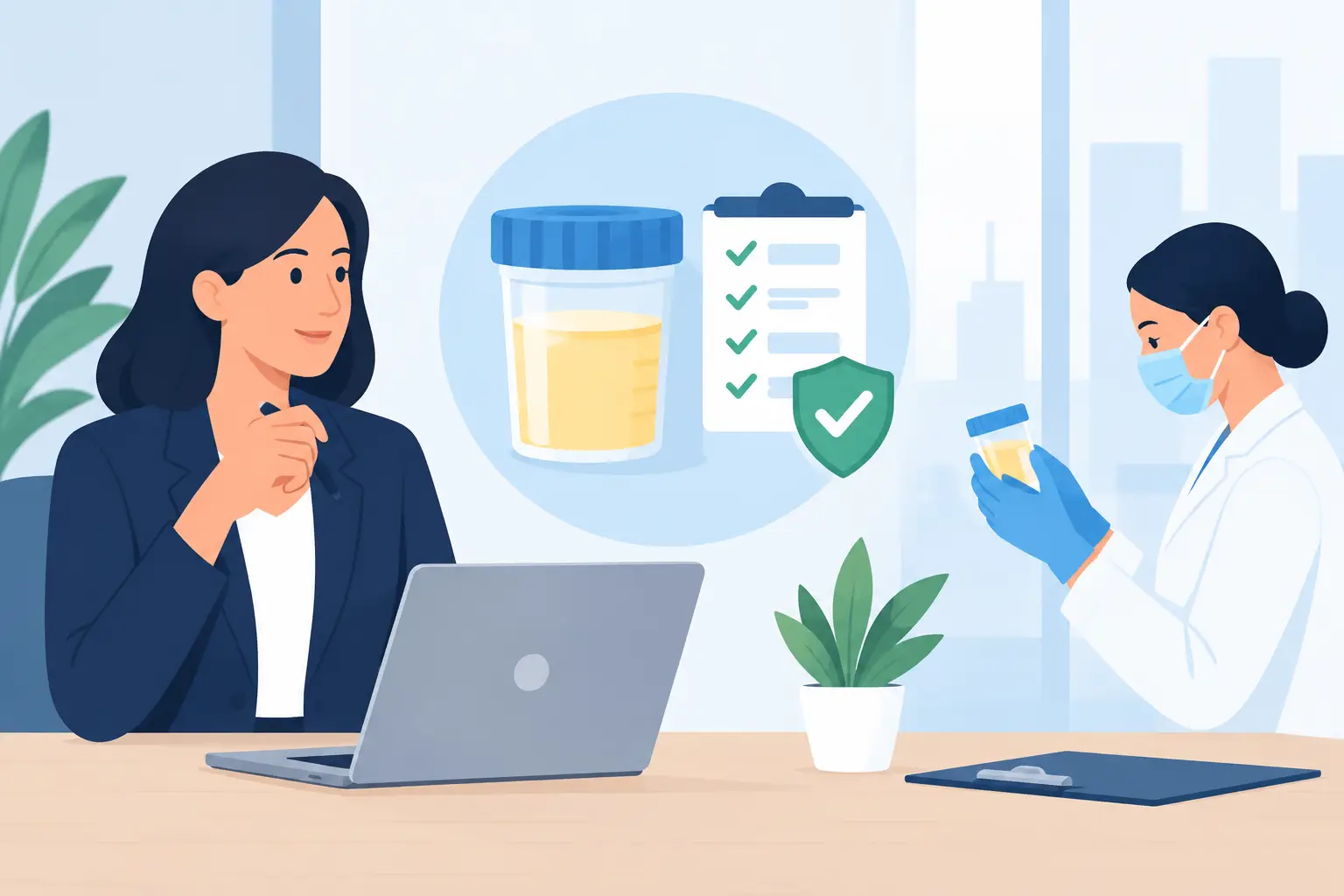
An MRO is a licensed physician with specialized training in reviewing DOT drug testing results. The MRO serves as an independent safeguard in the testing process. Their responsibility is to review laboratory findings, contact the employee when appropriate, evaluate legitimate medical explanations, and determine the verified result reported to the employer or Designated Employer Representative (DER).
The employer is responsible for operating a compliant program and taking the required action after receiving a verified result. An employer does not decide whether a prescription explains a non-negative laboratory result, interpret a laboratory report, or pressure an MRO to reach a particular conclusion. The employer also cannot receive raw laboratory results directly in place of the MRO’s verified report.
This division protects both the employee and the employer. It gives the employee an opportunity to provide medical information to a qualified physician while giving the employer a clear, actionable result for safety and compliance purposes.
What the MRO Is Responsible For
The MRO’s work begins after an HHS-certified laboratory completes its analysis of a DOT drug test. A laboratory result that appears positive, adulterated, substituted, or invalid is not automatically a final report to the employer. The MRO must complete the verification process first.
Reviewing results and medical explanations
For a non-negative drug result, the MRO makes reasonable efforts to contact the employee directly and conduct a confidential interview. The employee may be able to provide a legitimate medical explanation, such as a valid prescription that accounts for the laboratory finding. The MRO evaluates that explanation and may verify medical information with the prescribing provider or pharmacy when needed.
If a legitimate medical explanation exists, the MRO may verify the test as negative. If no legitimate explanation exists, or if the employee does not respond within the required process and timeframes, the MRO verifies and reports the appropriate result. The employer should not ask the employee to provide prescription records, attempt to evaluate medications internally, or make a medical determination before the MRO has completed the review.
Reporting verified results
The MRO reports verified DOT drug testing results to the employer or DER. These reports may include a verified negative, positive, refusal to test, adulterated result, substituted result, invalid result, or other reportable outcome under DOT rules.
In limited circumstances, an MRO may report a negative result with a safety concern. For example, a medication may be legitimately prescribed but still create a concern about the employee’s ability to safely perform a safety-sensitive function. The MRO does not make the fitness-for-duty decision. Instead, the MRO provides the medical concern to the employer so the employer can follow its established policy and applicable DOT requirements.
Protecting confidential medical information
MRO communications with employees are confidential. Employers should receive the verified testing outcome and only the information permitted under DOT procedures. Medical details shared during the MRO interview are not part of the employer’s routine personnel file.
This is particularly important when an employer is managing a large fleet, multiple locations, or a third-party testing program. Restricting access to testing results helps prevent unnecessary disclosure and keeps the program aligned with confidentiality obligations.
What Employers and DERs Must Do
The employer remains accountable for the DOT testing program. Using an MRO, consortium, or C/TPA does not transfer the employer’s regulatory responsibilities. A DER must be available to receive results and make timely decisions, including outside regular business hours when testing situations require it.
Maintain a compliant testing program
Employers must establish and administer the required testing categories for their DOT-covered employees. Depending on the applicable DOT agency, this may include pre-employment, random, reasonable suspicion, post-accident, return-to-duty, and follow-up testing.
The employer must also ensure employees receive required policy materials, provide supervisor training where applicable, maintain accurate records, and use properly qualified service providers. For FMCSA-regulated employers, Clearinghouse requirements add another layer of responsibility, including required queries and reporting obligations.
A service partner can coordinate testing, manage random pools, support reporting, and provide program guidance. The employer, however, must still ensure its covered positions are correctly identified and that testing decisions are made according to the governing agency rules.
Act immediately on verified prohibited results
Once the employer receives notice of a verified positive drug test, a drug-test refusal, or another result that prohibits safety-sensitive work, the employer must immediately remove the employee from safety-sensitive duties. This action is not discretionary and should not wait for an internal meeting, a retest requested outside DOT procedures, or a final employment decision.
Removal from safety-sensitive duty is not necessarily the same as termination. Employment consequences are governed by company policy, collective bargaining obligations, and other applicable law. DOT rules require removal from covered duties, while the employer determines whether an employee remains employed in a non-safety-sensitive position, subject to its policies and legal obligations.
If the employee seeks to return to a DOT safety-sensitive role, the employer must follow the required return-to-duty process. That includes evaluation by a qualified Substance Abuse Professional, compliance with the SAP’s recommendations, a negative return-to-duty test, and follow-up testing as directed by the SAP.
Manage alcohol testing differently
The MRO’s central role is in DOT drug testing. DOT alcohol testing follows a different process. Alcohol test results are generally transmitted through the breath alcohol technician or testing site process rather than reviewed by an MRO.
Employers must know what action is required for alcohol results. A result of 0.04 or greater requires immediate removal from safety-sensitive functions and triggers the DOT return-to-duty process. Results of 0.02 to 0.039 also require removal from safety-sensitive work for the required period, though the specific employment consequences may depend on agency rules and employer policy.
Treating every non-negative alcohol result as an MRO matter can cause delays. A clear DER response plan helps ensure supervisors know who to contact and what to do when alcohol testing occurs after an accident, based on reasonable suspicion, or during other testing events.
Common Role Errors That Create Compliance Risk
The most frequent error is treating a laboratory result as final before MRO verification. A laboratory-confirmed result is not the same as a verified result. The employer should wait for the MRO’s report before taking DOT action based on a drug result, unless another independent circumstance requires immediate removal under company policy.
Another error is allowing a supervisor, HR representative, or dispatcher to receive results without a defined DER process. Testing notifications should reach authorized personnel who understand what information is confidential, what must be documented, and how to remove an employee from duty without unnecessary disclosure.
Employers can also create risk by assuming the MRO handles all follow-up obligations. The MRO verifies the result. The employer must complete the appropriate Clearinghouse actions when applicable, initiate the SAP process, maintain required records, and ensure no employee resumes a safety-sensitive function before all return-to-duty requirements are met.
Build a Clear Response Process Before a Result Arrives
The strongest programs make decisions before the urgent call comes in. Identify a primary DER and a backup, confirm how after-hours results will be received, and make sure both individuals can immediately communicate with operations. Dispatch, supervisors, and HR should understand that only authorized personnel receive detailed testing information.
Your written procedures should distinguish between drug and alcohol results, identify who removes an employee from duty, and explain how the organization documents the action. Procedures should also address post-accident response, including how to arrange testing quickly without allowing testing logistics to interfere with required emergency medical care.
For employers managing multiple DOT agencies, owner-operators, or remote employees, centralized administration can reduce missed steps. WOOTS supports employers with collection access, program coordination, reporting, and responsive assistance so testing requirements can be managed without losing sight of the employer’s final compliance duties.
A reliable testing program depends on clear handoffs: the laboratory analyzes, the MRO verifies, and the employer acts. When every party stays within its role, the organization can respond quickly, treat employees fairly, and keep safety-sensitive operations moving with confidence.






Leave A Comment