

A driver involved in a qualifying crash, a new hire entering a safety-sensitive role, and an employee selected for a company-wide random test may all need testing quickly. But DOT vs non DOT testing is not simply a difference in paperwork. The rules that trigger a test, the collection process, the results process, and the actions an employer can take are fundamentally different.
For employers operating across the United States and Canada, knowing which program applies is the starting point for a defensible workplace testing policy. Using a non-DOT process for a DOT-regulated employee can create a compliance failure. Applying DOT rules to a non-regulated workforce without a clear policy can create unnecessary administrative and employee-relations problems.
What Makes a Test DOT-Regulated?
DOT testing applies to employees who perform safety-sensitive functions regulated by the U.S. Department of Transportation. The employer’s industry and the employee’s actual job duties determine coverage. A company may have both DOT-covered and non-DOT employees, even at the same location.
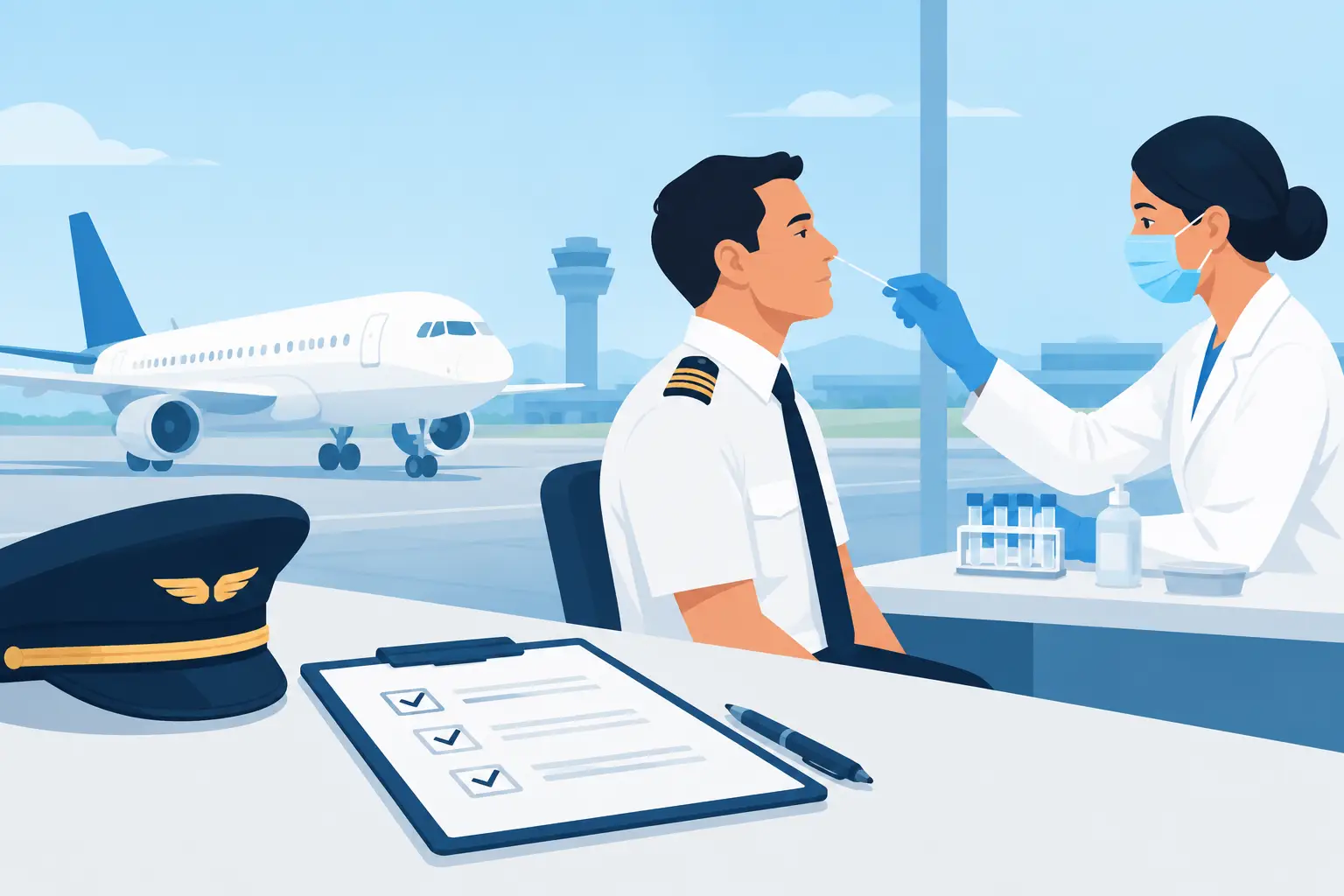
DOT-regulated agencies include the Federal Motor Carrier Safety Administration (FMCSA), Federal Aviation Administration (FAA), Federal Transit Administration (FTA), Federal Railroad Administration (FRA), Pipeline and Hazardous Materials Safety Administration (PHMSA), and U.S. Coast Guard (USCG). Each agency has its own rules for who is covered and when testing is required, while the core collection and laboratory procedures follow federal requirements.
For example, a commercial driver operating a vehicle that requires a commercial driver’s license is generally subject to FMCSA drug and alcohol testing rules. An office coordinator working for the same carrier is not DOT-covered simply because the company is regulated. Their testing, if required, would be governed by the employer’s non-DOT policy and applicable law.
Non-DOT Testing Is Employer-Directed
Non-DOT testing is not governed by DOT drug and alcohol testing regulations. It is designed around an employer’s workplace policy, operational risks, contractual obligations, customer requirements, and legal responsibilities.
That flexibility is useful, but it also places more responsibility on the employer. A non-DOT policy should clearly identify who is covered, which substances may be tested, the testing circumstances, the consequences of a refusal or positive result, and the process for protecting employee privacy.
For Canadian employers, non-DOT testing requires particular care. Human rights obligations, privacy rules, collective agreements, and provincial requirements can affect whether and how testing is appropriate. Random testing is not automatically suitable for every workplace. Employers should ensure their policy is reasonable, clearly communicated, consistently applied, and aligned with the safety risks of the role.
DOT vs Non-DOT Testing: The Main Differences
The most visible difference is that DOT testing follows a prescribed federal process. Employers cannot substitute their preferred forms, collection procedures, cutoff levels, or return-to-duty steps when DOT rules apply.
Who Must Be Tested
DOT testing covers employees in designated safety-sensitive positions. Coverage is based on regulation, not an employer’s preference. A covered employee must be enrolled in the applicable testing program from the time they perform a safety-sensitive function.
Non-DOT testing can apply to roles selected by the employer, such as warehouse personnel, construction crews, field technicians, or office employees in positions governed by a workplace policy. The employer defines the covered population, subject to legal and contractual limits.
When Testing Is Required
DOT testing is required in specific situations. Depending on the agency, these may include pre-employment, random, reasonable suspicion or reasonable cause, post-accident, return-to-duty, and follow-up testing. The rules define the circumstances, timing, and documentation requirements. For regulated employers, a post-accident decision cannot be based on guesswork after an incident has occurred.
Non-DOT testing circumstances are established by company policy. Common triggers include pre-employment, random selection, post-incident, reasonable suspicion, return-to-work, and customer-site requirements. Because the policy controls the process, vague wording creates risk. A policy that says “testing may occur when necessary” does not give supervisors or employees enough direction.
Collection and Chain of Custody
DOT urine drug testing uses the federal Custody and Control Form and a standardized chain-of-custody process. Collections must be completed by qualified personnel at an appropriate site. The specimen is split into primary and split samples, which provides the employee with a path to request split-specimen testing following a verified positive, adulterated, or substituted result.
DOT alcohol testing also follows specific procedures using approved screening and confirmation methods. Timing matters, particularly after qualifying accidents, and employers need a process that can activate after normal business hours.
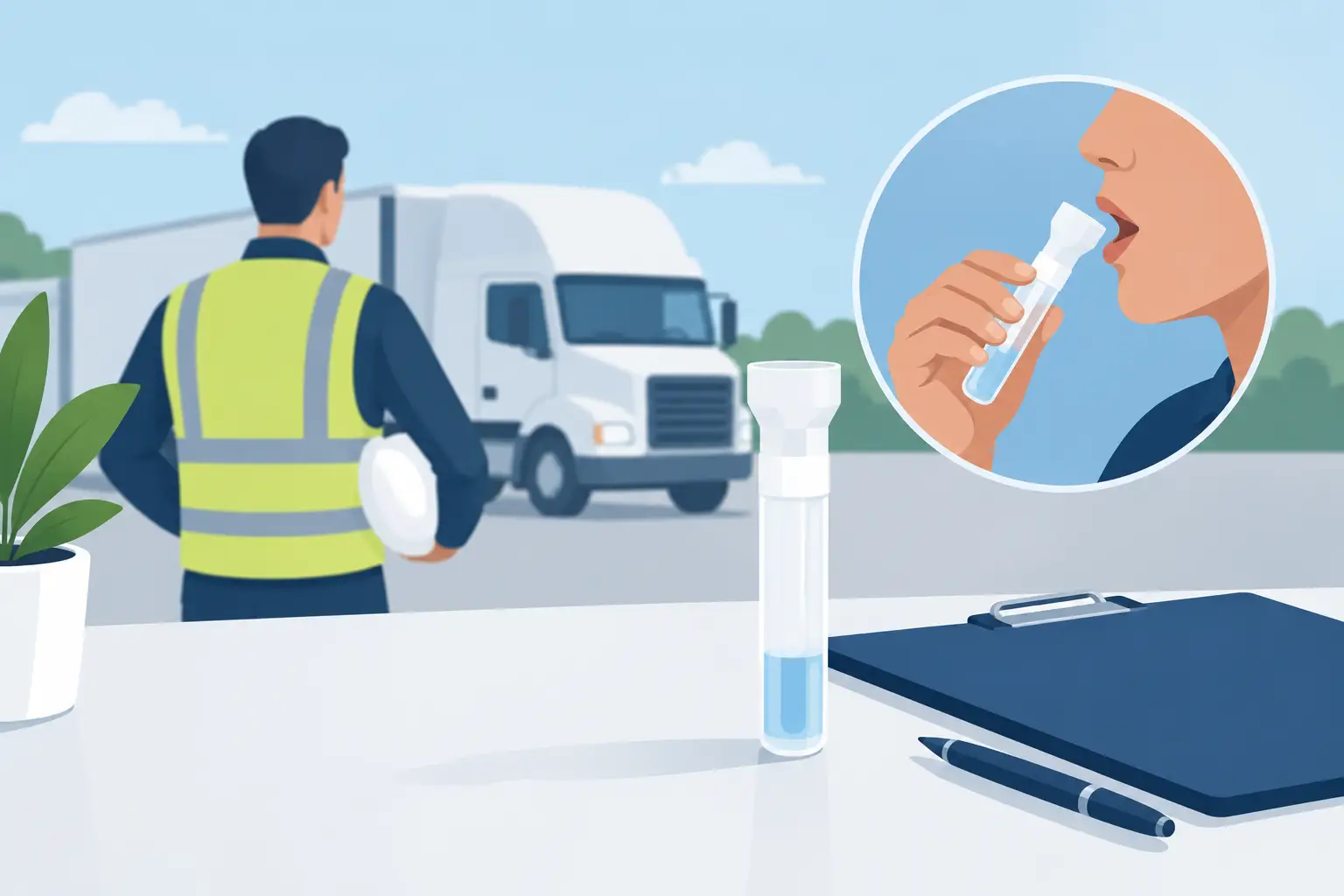
Non-DOT collections can be structured differently based on the employer’s policy and testing panel. Employers may use urine, oral fluid, hair, or other methods where lawful and appropriate. Even though the DOT federal form is not used, clear chain-of-custody documentation remains essential. A result is only as defensible as the process used to obtain, report, and retain it.
Drugs Tested and Test Panels
DOT drug testing uses a federally mandated panel. Employers cannot remove required analytes or replace the DOT panel with a customized test. The laboratory must be certified under the applicable federal program, and a Medical Review Officer, or MRO, reviews non-negative laboratory results before they are reported as verified.
A non-DOT panel can be customized. An employer may choose a standard workplace panel, add substances based on known job risks, or select a testing method that supports its hiring and safety objectives. Flexibility should not mean inconsistency. The panel named in the policy should match the test being ordered, and employees should receive clear notice of the policy.
Positive Results and Return to Duty
For DOT-covered employees, a verified drug positive, alcohol violation, refusal, or other DOT violation has defined consequences. The employee must be immediately removed from safety-sensitive duties. For covered CDL drivers, employers also have specific Drug and Alcohol Clearinghouse reporting and query responsibilities.
An employee who wishes to return to DOT safety-sensitive work must complete the required Substance Abuse Professional process, including evaluation, education or treatment recommendations, follow-up evaluation, and return-to-duty testing. The employer cannot treat a DOT violation as a simple internal disciplinary matter and place the individual back in a covered role without completing the required process.
For non-DOT testing, the employer’s written policy generally determines the response. Depending on the policy and applicable law, options may include a fitness-for-duty review, employee assistance resources, reassignment, a last-chance agreement, discipline, or termination. A non-DOT positive result does not create DOT Clearinghouse obligations, and it does not automatically trigger the DOT return-to-duty process.
Documentation Is a Compliance Control
Testing programs often break down in the records, not at the collection site. DOT employers need to maintain required testing records, random selection records, training documentation, annual management information, and agency-specific documentation. Records must be stored securely and retained for the required period.
Non-DOT employers also need reliable documentation. Keep the signed policy acknowledgment, test authorization, chain-of-custody record, result reporting record, and documentation supporting reasonable suspicion or post-incident decisions. Restrict access to those with a legitimate business need. Medical and testing information should not be handled like an ordinary personnel file.
Supervisors are especially important in both programs. They should know how to recognize and document observable signs of impairment, make a prompt and respectful escalation, and avoid diagnosing an employee. A supervisor’s role is to document facts such as behavior, appearance, speech, or odor, then follow the established process.
Common Mistakes Employers Should Avoid
One frequent error is treating a DOT test as interchangeable with a non-DOT test. A negative non-DOT test does not satisfy a DOT testing requirement. Likewise, an employer should not report a non-DOT result to the Clearinghouse or use DOT violation language for a non-DOT employee.
Another mistake is maintaining one policy for everyone without identifying separate DOT and non-DOT requirements. A single handbook can contain both programs, but the distinctions need to be explicit. Covered employees, triggers, procedures, testing methods, consequences, and recordkeeping requirements should be separated clearly.
Employers also need a dependable response plan for post-accident and reasonable-suspicion situations. Delays can affect required testing windows, disrupt operations, and weaken documentation. Identify who can authorize testing after hours, where employees can be sent, how transportation will be arranged, and who receives results.
Build the Right Program Before You Need It
Start by mapping every position that may perform a DOT safety-sensitive function. Confirm the applicable DOT agency, enroll covered employees in the correct random pool, and verify required Clearinghouse processes for CDL operations. Then establish a separate non-DOT policy for roles that are not federally regulated.
A qualified testing and compliance partner can help employers coordinate collections, manage random pools, maintain reporting, and respond when an urgent event occurs. WOOTS supports DOT program management and employer-directed workplace testing through broad collection-site access and after-hours service.
The best time to resolve a testing question is before a collision, a reasonable-suspicion concern, or a regulator request puts the program under pressure. Clear policies, trained supervisors, and the correct testing pathway give your team a practical way to protect safety while meeting its compliance responsibilities.



Leave A Comment