
Safety Sensitive Testing Protocols That Work
Safety sensitive testing protocols help employers protect workers, meet DOT requirements, respond quickly, and maintain accurate, audit-ready records.
Safety sensitive testing protocols help employers protect workers, meet DOT requirements, respond quickly, and maintain accurate, audit-ready records.
PHMSA testing requirements for pipeline operators: who must test, when testing is required, how random pools work, and records that support compliance.
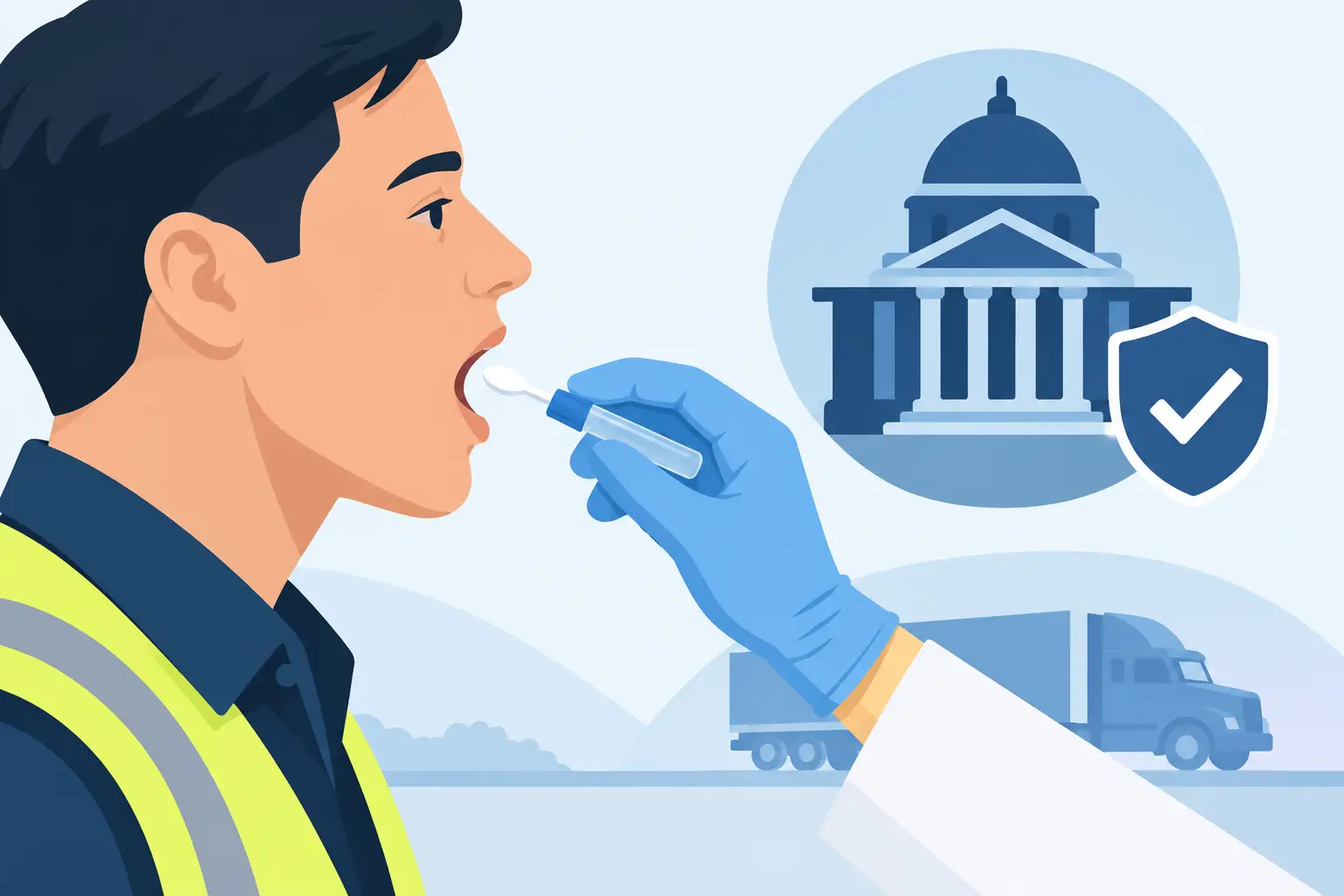
Does DOT allow oral fluid testing? Learn when it can be used, the HHS laboratory requirement, and what regulated employers should do now to stay compliant.
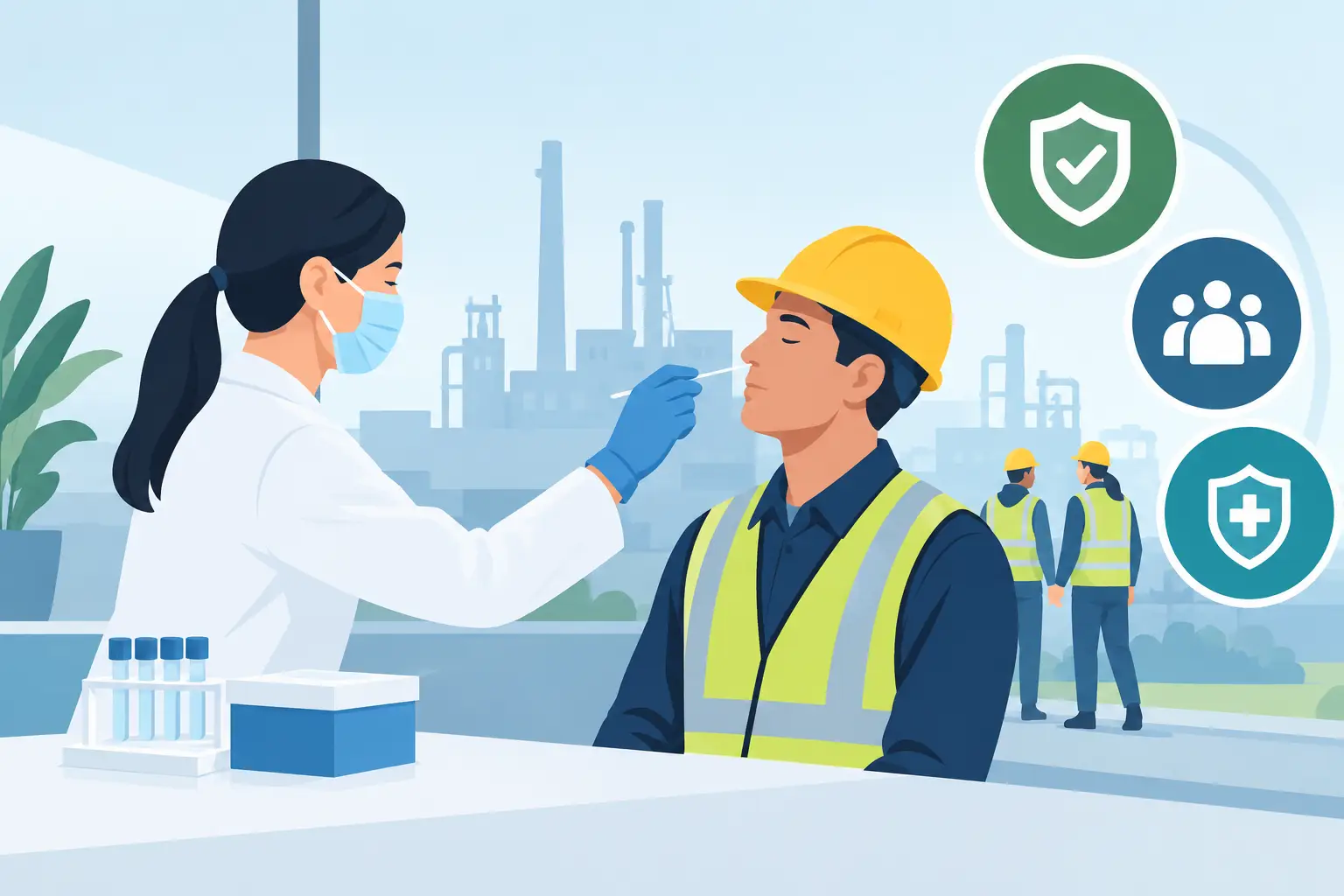
Workplace testing programs help employers protect safety, meet DOT requirements, respond after incidents, and maintain clear, defensible records at scale.
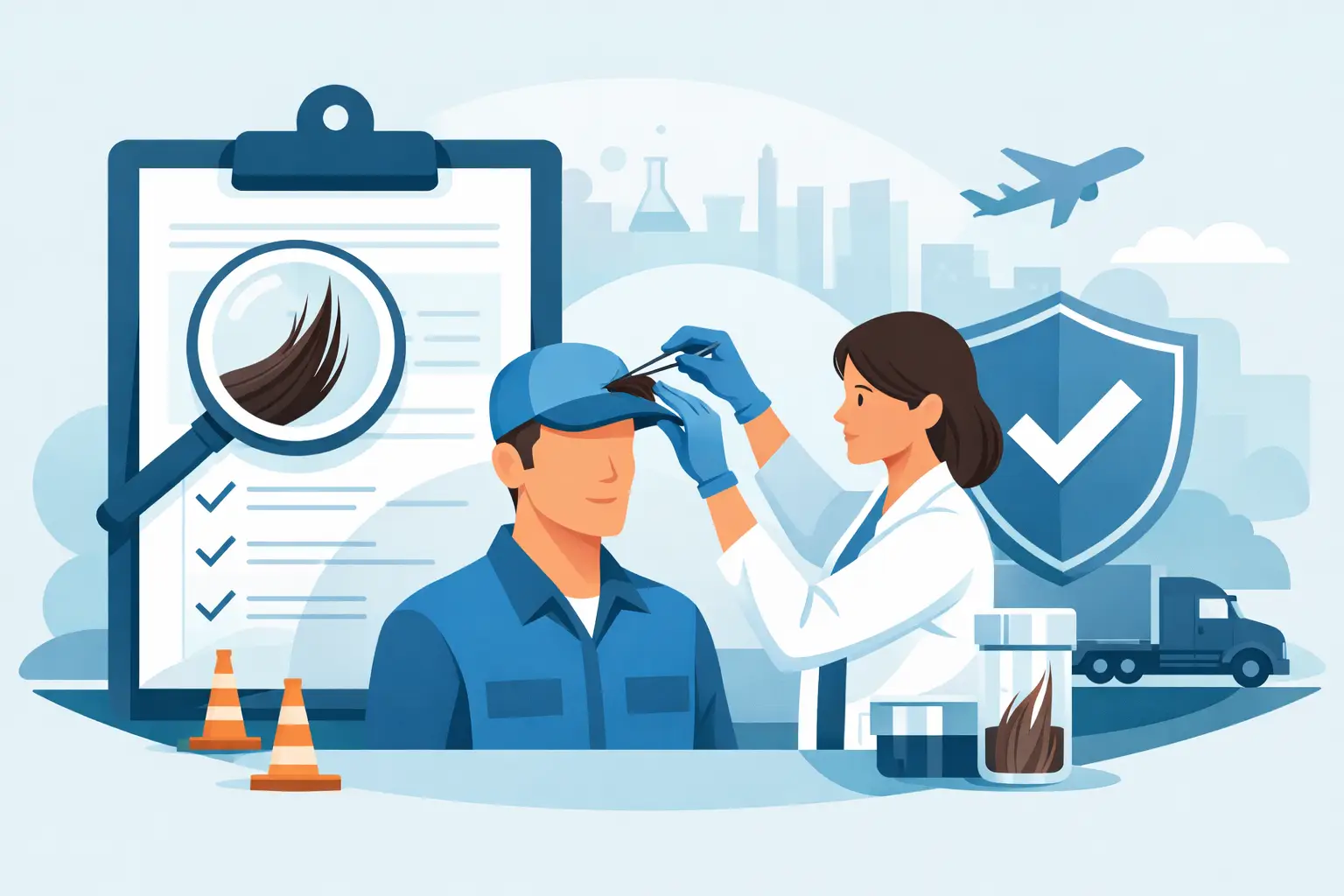
Are hair tests DOT approved for regulated transportation workers? Learn what federal rules allow, what employers may add, and how to protect compliance.
Fleet compliance software helps transportation employers manage testing, records, reminders, and reporting to keep DOT programs audit-ready on every shift.
Fleet compliance software helps transportation employers manage testing, records, reminders, and reporting to keep DOT programs audit-ready on every shift.
Learn how to schedule emergency collection testing quickly, protect DOT compliance, document the event, and keep safety-sensitive operations moving fast.
Learn how to conduct breath alcohol testing for DOT and workplace programs, from screening through confirmation, records, training, and proper next steps.
Canadian non dot testing services help employers build practical workplace programs with clear policies, fast access, reporting, and responsive support.