
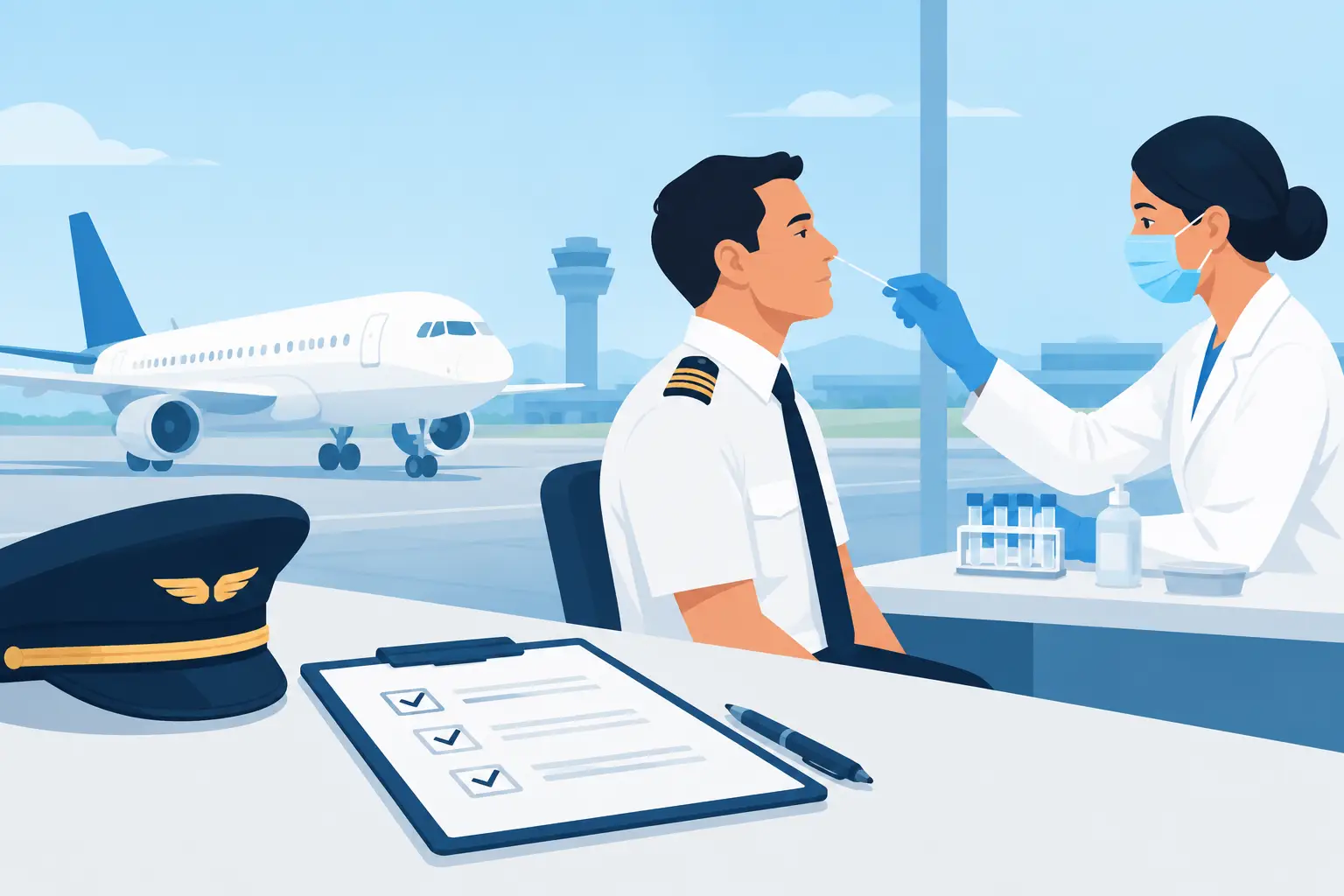
A missed random test, an untrained supervisor, or an incomplete post-accident file can put an aviation employer’s DOT program under immediate scrutiny. FAA testing requirements are not simply a checklist for collecting specimens. They establish a controlled process for identifying covered employees, completing testing at the right time, protecting the integrity of each result, and maintaining records that demonstrate compliance.
For employers operating under the Federal Aviation Administration’s drug and alcohol testing rules, the core regulations are 14 CFR Part 120 and 49 CFR Part 40. Part 120 explains the FAA program obligations. Part 40 governs how DOT drug and alcohol tests must be conducted, from collection procedures and laboratory testing to Medical Review Officer review and Substance Abuse Professional requirements.
Who Is Covered by FAA Testing Requirements?
FAA rules apply to employees who perform designated safety-sensitive functions for an FAA-regulated employer. Coverage is based on the work performed, not simply an employee’s job title or whether the individual is full-time, part-time, temporary, or contracted.
Common covered roles include flight crewmembers, flight attendants, flight instructors, aircraft dispatchers, aircraft maintenance and preventive maintenance personnel, ground security coordinators, aviation screening personnel, and air traffic control personnel. An employer should review each role carefully, particularly when staffing is shared across locations or outsourced to contractors.
This is where many programs fail. A company may have a compliant testing process for direct employees but overlook contract maintenance personnel or another worker performing a covered function. If the worker performs an FAA-defined safety-sensitive duty, the employer needs to confirm that the individual is covered by an appropriate FAA-compliant program before performing that work.
When FAA Drug and Alcohol Tests Are Required
FAA-regulated employers must conduct testing in specific circumstances. The required test type, timing, and documentation depend on the event. A general workplace drug testing policy is not a substitute for a DOT-compliant FAA program.
Pre-Employment Drug Testing
Before an individual first performs a covered safety-sensitive function, the employer must receive a verified negative DOT drug test result. Pre-employment alcohol testing is not required under the FAA’s DOT testing rules, although an employer may have separate non-DOT policies if they are clearly separated from the DOT program.
Employers should build this step into onboarding rather than treating it as an administrative afterthought. Do not authorize a new hire, transferee, or returning worker to perform covered duties until the required negative result has been received and documented.
Random Drug and Alcohol Testing
Random testing is a central part of FAA compliance. Covered employees must be selected through a scientifically valid random method, with no ability for managers or employees to influence who is chosen. Selections should be spread reasonably throughout the calendar year, and employees must proceed to testing immediately after notification.
The FAA establishes annual minimum random testing rates for drugs and alcohol. Those rates can change, so employers should confirm the current FAA rate each year and ensure their testing pool, enrollment dates, and selection process support the required annual testing volume.
A random pool must also be correctly structured. Combining FAA-covered employees with workers regulated by another DOT agency, or with non-DOT employees, can create reporting and compliance issues unless the pool is managed according to applicable DOT rules. Dedicated FAA pools often give employers better visibility into who is covered and whether required testing targets are being met.
Reasonable Suspicion Testing
Reasonable suspicion testing is permitted when a trained supervisor makes specific, contemporaneous observations concerning an employee’s appearance, behavior, speech, or body odors. A hunch, rumor, personality conflict, or performance concern alone is not enough.
FAA employers must ensure supervisors receive the required training on indicators of drug use and alcohol misuse. The supervisor’s observations need to be documented promptly and objectively. A useful record describes what was seen or heard, when it occurred, where it occurred, and how the observations affected the decision to remove the employee from safety-sensitive duties.
The immediate priority is safety. Remove the employee from covered work, arrange testing when required, and avoid allowing the employee to drive themselves if impairment may be involved. After-hours procedures matter here because reasonable suspicion decisions rarely arrive at a convenient time.
Post-Accident Testing
Not every operational event triggers FAA post-accident testing. The requirement is tied to an accident as defined by the applicable federal rules and to whether a covered employee’s performance contributed to the accident or cannot be completely discounted as a contributing factor.
When post-accident testing is required, alcohol testing should be completed as soon as practicable and within eight hours. Drug testing should be completed as soon as practicable and within 32 hours. If testing cannot be completed within those windows, the employer must stop attempts when the applicable window closes and document why the test was not completed.
A written post-accident response plan prevents confusion during a high-pressure event. The plan should identify who determines whether FAA testing is required, who contacts the collection provider, how transportation is arranged, and who preserves the records. It should also account for remote airports, employee hospitalization, and incidents outside normal business hours.
Return-to-Duty and Follow-Up Testing
An employee who violates DOT drug and alcohol testing rules cannot return directly to safety-sensitive work. The employee must be removed from covered duties and evaluated by a qualified Substance Abuse Professional, commonly called an SAP.
The SAP determines the education or treatment steps required and conducts the follow-up evaluation. Before the employee can resume a safety-sensitive role, the employer must receive a negative return-to-duty test result. The employee then enters a follow-up testing plan prescribed by the SAP. The employer is responsible for ensuring those follow-up tests occur as directed.
Collection, Results, and Refusals
FAA testing must follow DOT procedures. Drug testing uses the DOT-controlled custody and control process, laboratory analysis, and Medical Review Officer review. Alcohol testing must be completed using authorized DOT procedures and equipment.
Employers should not treat an initial laboratory finding as a final employment decision. For drug tests, the Medical Review Officer reviews the result and gives the employee an opportunity to provide a legitimate medical explanation before verifying the result. Employers receive the verified outcome, not an employee’s full medical information.
A refusal to test is generally treated the same as a positive test under DOT rules. Refusal can include declining a required test, leaving the collection site before the process is complete, failing to provide an adequate specimen without an acceptable medical basis, interfering with the collection process, or failing to cooperate with required steps. The exact facts matter, so supervisors should contact program support before making assumptions or directing an employee to leave.
Recordkeeping Is Part of FAA Compliance
Testing records are not merely paperwork for an audit. They are the evidence that a program operated correctly. Employers need organized records for test results, refusals, random selections, supervisor training, post-accident decisions, SAP compliance, and employee education materials.
Retention periods vary by record type, and records containing testing information must be protected as confidential. Access should be limited to authorized personnel. A good compliance process also separates DOT records from non-DOT workplace testing records, especially for employers with operations in both the United States and Canada.
Annual reporting may also apply to covered FAA employers. Program administrators should confirm whether their organization must submit the FAA’s required management information reporting and ensure the data matches the testing records maintained throughout the year.
Build a Program That Works When Operations Get Busy
The most effective FAA testing programs make the right action easy at the moment it is needed. That means maintaining an accurate covered-employee roster, using a properly managed random pool, training supervisors before an incident occurs, and having accessible collection options for routine and after-hours testing.
For employers managing multiple locations, contractors, or irregular flight operations, outside program support can reduce administrative gaps. WOOTS helps employers coordinate FAA testing programs, collection access, reporting, and responsive post-accident support so compliance tasks do not stall when operations are moving quickly.
Keep your written procedures current, review your testing pool before each reporting cycle, and make sure the person who receives a late-night testing call knows exactly what to do. That preparation protects employees, supports safe aviation operations, and gives your organization a defensible compliance record when it matters most.







Leave A Comment