
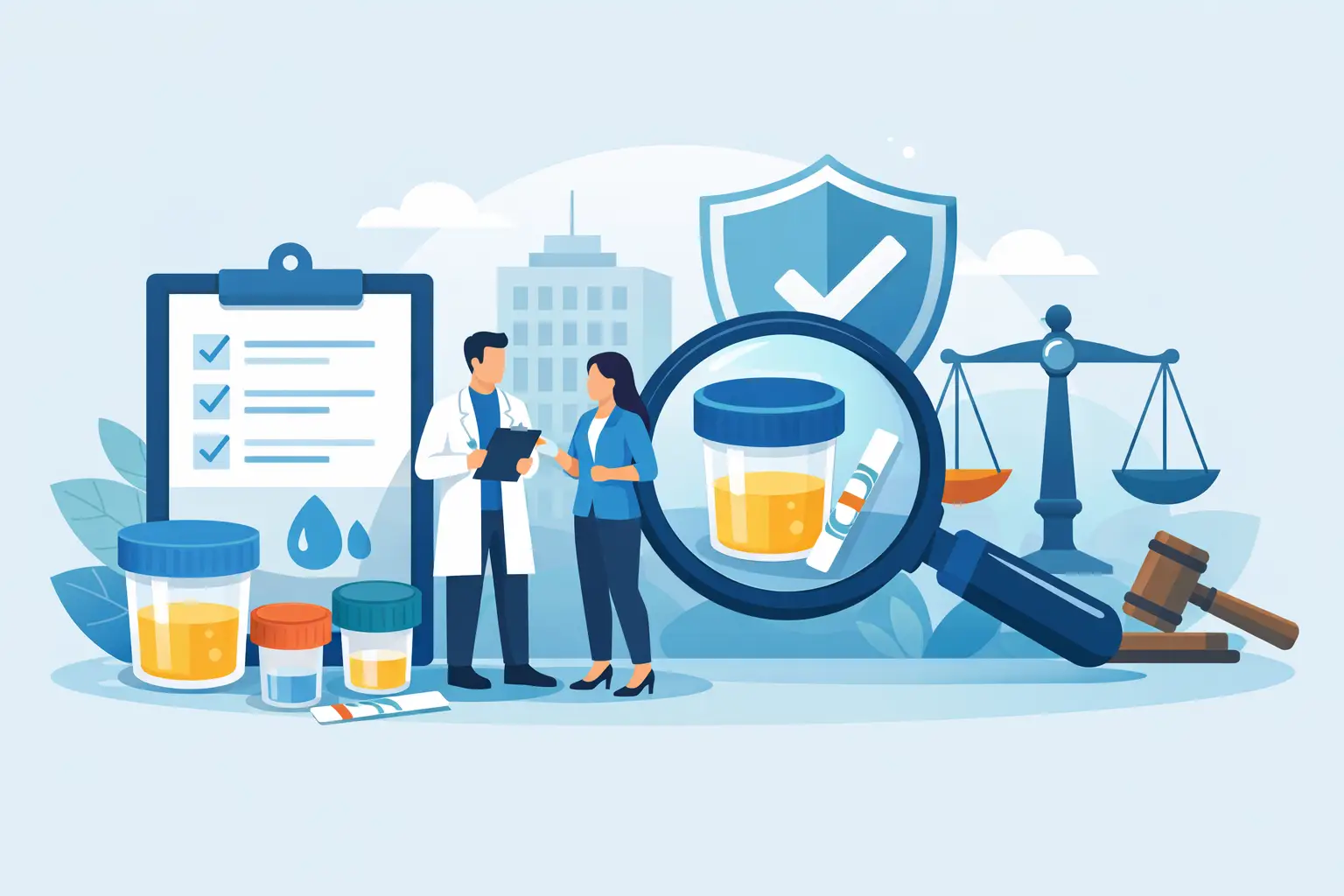
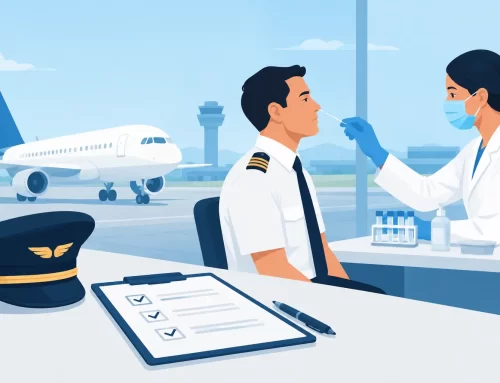
A post-accident testing call at 2 a.m. is not the moment to learn that your provider has limited collection access, unclear instructions, or no after-hours support. For employers with safety-sensitive teams, the best workplace drug testing companies are defined less by a polished portal and more by whether they can help you execute the right test, at the right location, with the right documentation when time matters.
That standard becomes even higher for DOT-regulated employers. A testing provider must support your day-to-day program, but it also needs to help protect the integrity of your records, testing pools, random selections, follow-up plans, and reporting obligations. For non-DOT employers, the priority may be a defensible policy, reliable testing access, and clear results management. The right fit depends on your workforce, geography, regulations, and internal capacity.
What the Best Workplace Drug Testing Companies Do Differently
A drug testing company should do more than arrange a collection. It should reduce administrative risk and make your program easier to operate. That means understanding when a test is required, coordinating the correct testing process, maintaining records, and providing a clear path when an urgent event occurs.
For transportation employers, DOT specialization is a primary requirement. Each agency has its own regulated workforce rules, and programs may involve FMCSA, FAA, FTA, FRA, USCG, or PHMSA requirements. A provider that treats DOT testing as a generic service can leave gaps in random testing administration, Clearinghouse responsibilities, return-to-duty coordination, and documentation.
The strongest providers also recognize that a nationwide network only has value if it is usable. Drivers, field crews, and remote employees need reasonable access to qualified collection sites. Employers need a dependable option for post-accident and reasonable suspicion situations, including after-hours support when appropriate.
Reporting matters just as much. Safety managers and HR teams should be able to see testing status, results, compliance activity, and program records without chasing emails or rebuilding spreadsheets. Customized reporting can be especially useful for organizations that manage multiple terminals, divisions, customer accounts, or regulated groups.
Start With Your Compliance Requirements
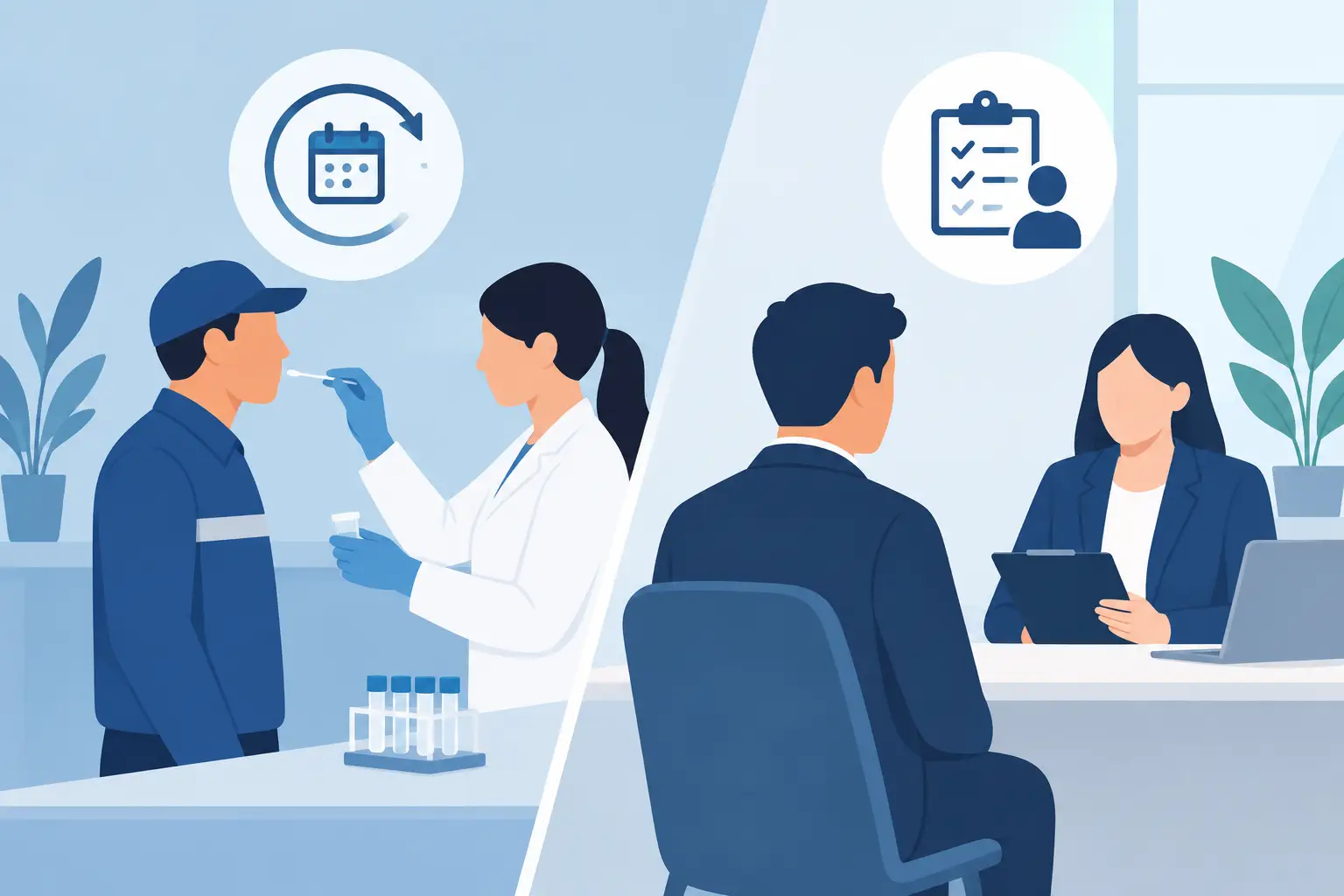
Before comparing providers, identify which program you actually need. DOT and non-DOT testing are not interchangeable. DOT testing follows federal procedures, approved drug panels, custody-and-control requirements, and specific rules for alcohol testing and follow-up testing. A non-DOT program may be designed around company policy, state or provincial requirements, job duties, customer contracts, or workplace safety goals.
If you operate commercial vehicles in the United States, begin with your DOT agency and the number of covered employees or owner-operators in your program. Ask whether the provider can manage random pools assigned to your agency, administer required notices, support Clearinghouse tasks where applicable, and help coordinate post-accident testing.
Canadian employers should look for a provider that understands employer-driven non-DOT testing and can tailor services to their workplace policy. The legal and practical considerations can differ from US DOT programs. A provider should not force a Canadian workplace program into a US regulatory template.
Employers with both US and Canadian operations benefit from one partner that can clearly separate those requirements while providing a consistent operating process. This reduces confusion for supervisors, employees, and administrators who work across borders.
Questions to Ask About DOT Support
Ask direct questions before enrolling. Can the provider administer a consortium or third-party administrator program? Can it manage separate testing pools for your applicable DOT agency? Does it support Clearinghouse registration and query processes? Is there assistance for post-accident testing outside normal business hours?
Also ask how the provider handles return-to-duty and follow-up testing. These are highly structured processes, and missed or incorrectly scheduled tests can create serious compliance exposure. Your provider should make responsibilities clear while helping you keep the process organized.
Evaluate Collection Access and Urgent Testing Response
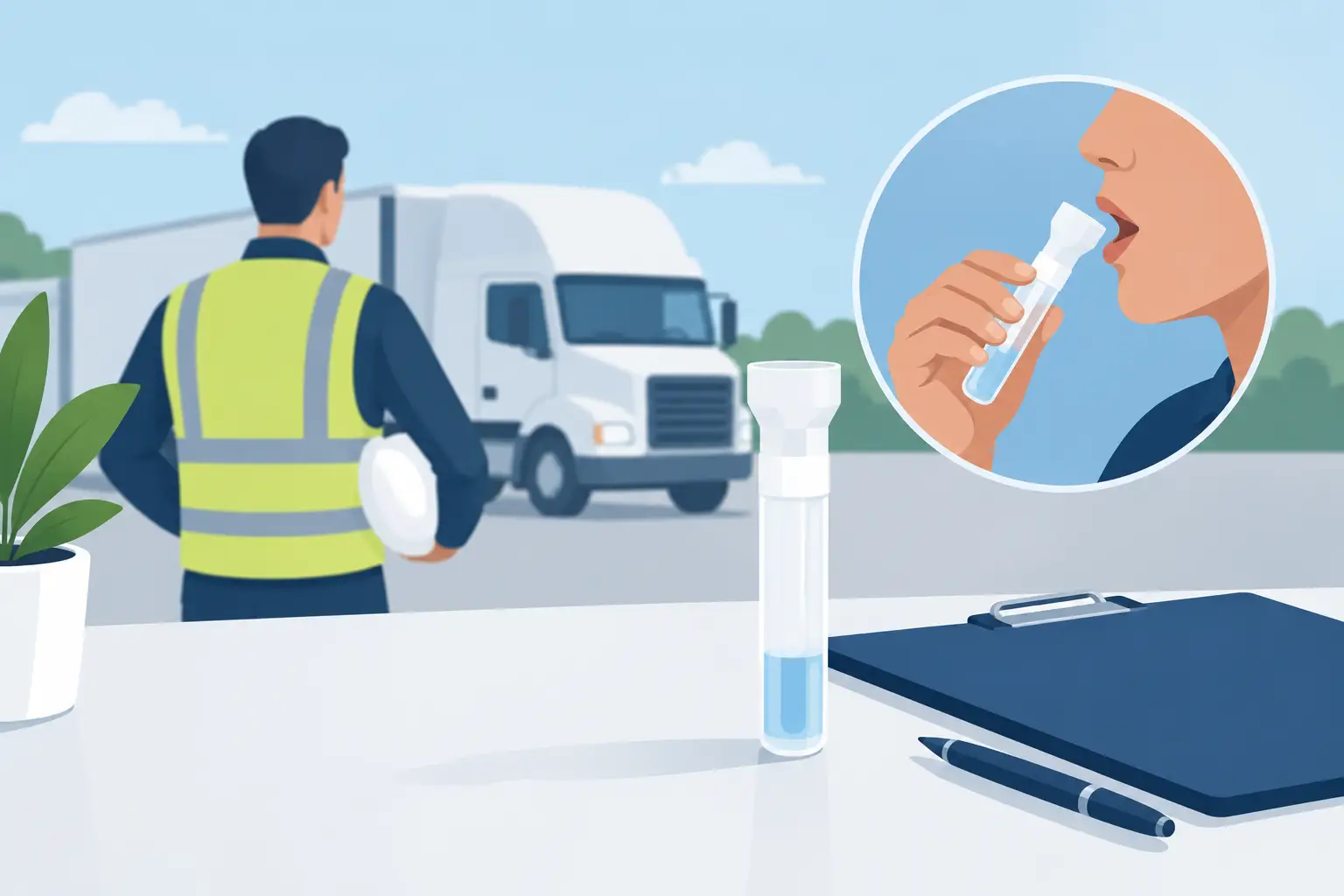
A large collection network is not simply a marketing statistic. It affects whether an employee can test quickly, whether a driver can locate a site while traveling, and whether your team can respond after an accident without losing valuable time.
Look beyond the total number of sites. Ask whether locations are available in the regions where your employees actually work, whether sites can conduct the test types you require, and how the provider helps locate an appropriate site in an urgent situation. After-hours availability deserves special attention for fleets, construction operations, logistics companies, and businesses with shift-based work.
A provider should offer practical instructions, not just a location search. Supervisors may need help determining the next step after an accident or reasonable suspicion event. They should know who to call, what documentation to complete, and how to arrange testing promptly.
For employers with dispersed workforces, convenient electronic scheduling and 24/7 account access can reduce delays. However, technology should support human service, not replace it. When a situation is time-sensitive or unclear, access to responsive support is often the difference between an orderly process and a preventable mistake.
Compare Administration, Reporting, and Training
Testing coordination is only one part of a defensible program. The administrative work behind it can consume significant time if your provider lacks organized processes.
Review how each company handles enrollment, random selection, notifications, testing records, and reporting. The best workplace drug testing companies give employers visibility without requiring them to become full-time program administrators. For a growing fleet or a company with multiple locations, this can be a major operational advantage.
Ask to see the types of reports available. Useful reports may show completed and pending tests, random testing activity, employee status, program trends, and records needed for internal reviews. Your needs may differ if you are an owner-operator, a regional carrier, a large employer, or a third-party administrator serving multiple clients.
Supervisor training should be part of the evaluation. Managers need to understand reasonable suspicion responsibilities, post-accident procedures, and the limits of their role. Training does not turn a supervisor into a medical review officer or legal advisor. It does give them a clear, consistent process for recognizing concerns, documenting observations, and initiating the required testing steps.
Watch for Gaps That Create Risk
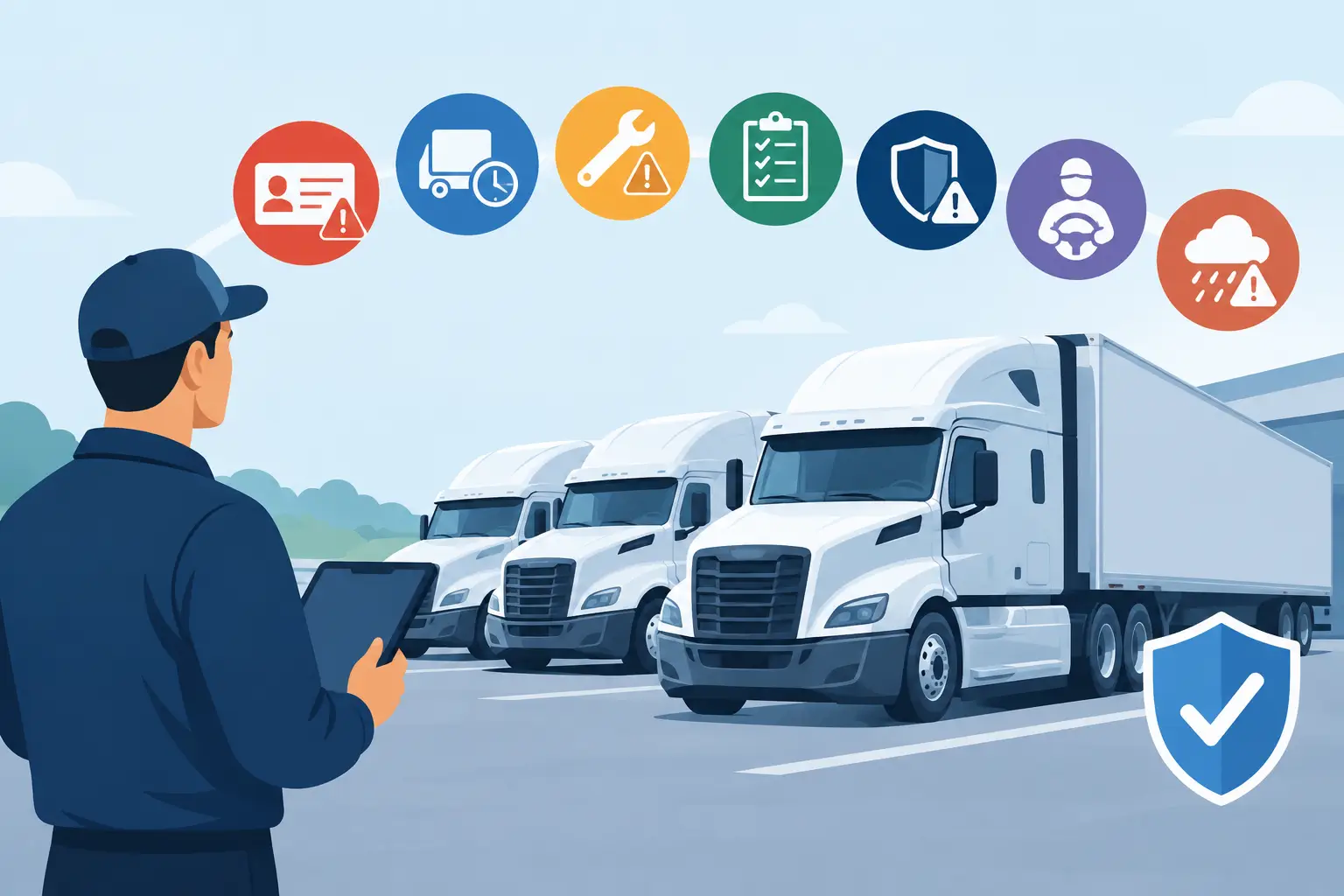
The lowest per-test price is not always the lowest-cost choice. A provider with limited support may shift administrative work back to your staff, increase the likelihood of missed deadlines, or leave supervisors without direction during an urgent event.
Be cautious if a company cannot explain its DOT experience in plain terms, provides vague answers about after-hours service, or offers only generic reporting. Similarly, avoid assuming that a broad national footprint automatically means dependable local access. Confirm coverage where your drivers and employees travel.
Another common problem is fragmented service. One vendor manages random testing, another handles collections, and internal staff maintain separate records. That approach can work for organizations with experienced compliance teams, but it creates more handoffs and more opportunities for incomplete documentation. Smaller employers and busy safety departments often benefit from a single partner that can coordinate testing, compliance administration, reporting, and training.
Select a Provider That Fits How You Operate
The right provider should match the complexity of your workforce. An owner-operator may need straightforward consortium enrollment, random testing compliance, and access to collection sites on the road. A multi-state carrier may need agency-specific pools, Clearinghouse support, detailed reporting, and reliable post-accident response. A Canadian employer may need a policy-aligned non-DOT program that supports workplace safety without unnecessary regulatory complexity.
WOOTS is built for employers that need practical compliance support across DOT and non-DOT programs, with access to more than 20,000 collection sites across North America, online account access, and after-hours service. The value is not just in arranging a test. It is in helping employers keep the program organized before, during, and after testing occurs.
When evaluating providers, involve the people who will use the service: safety managers, HR leaders, dispatch teams, supervisors, and compliance staff. Their questions will reveal what matters most in daily operations. A provider may look capable on paper yet fall short if supervisors cannot get timely help or if reports do not give management the information it needs.
Choose the partner that makes the compliant action the easy action. When the next random selection, roadside incident, or post-accident call arrives, your team should have a clear process, accessible support, and confidence that the testing program is working as intended.

Leave A Comment