

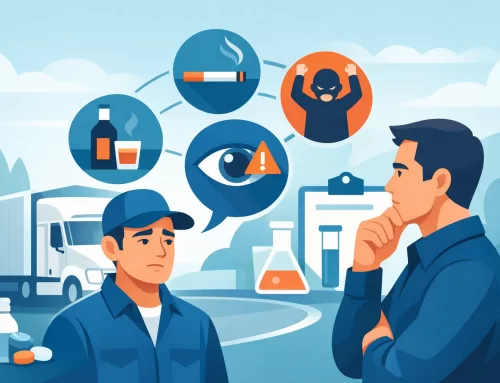
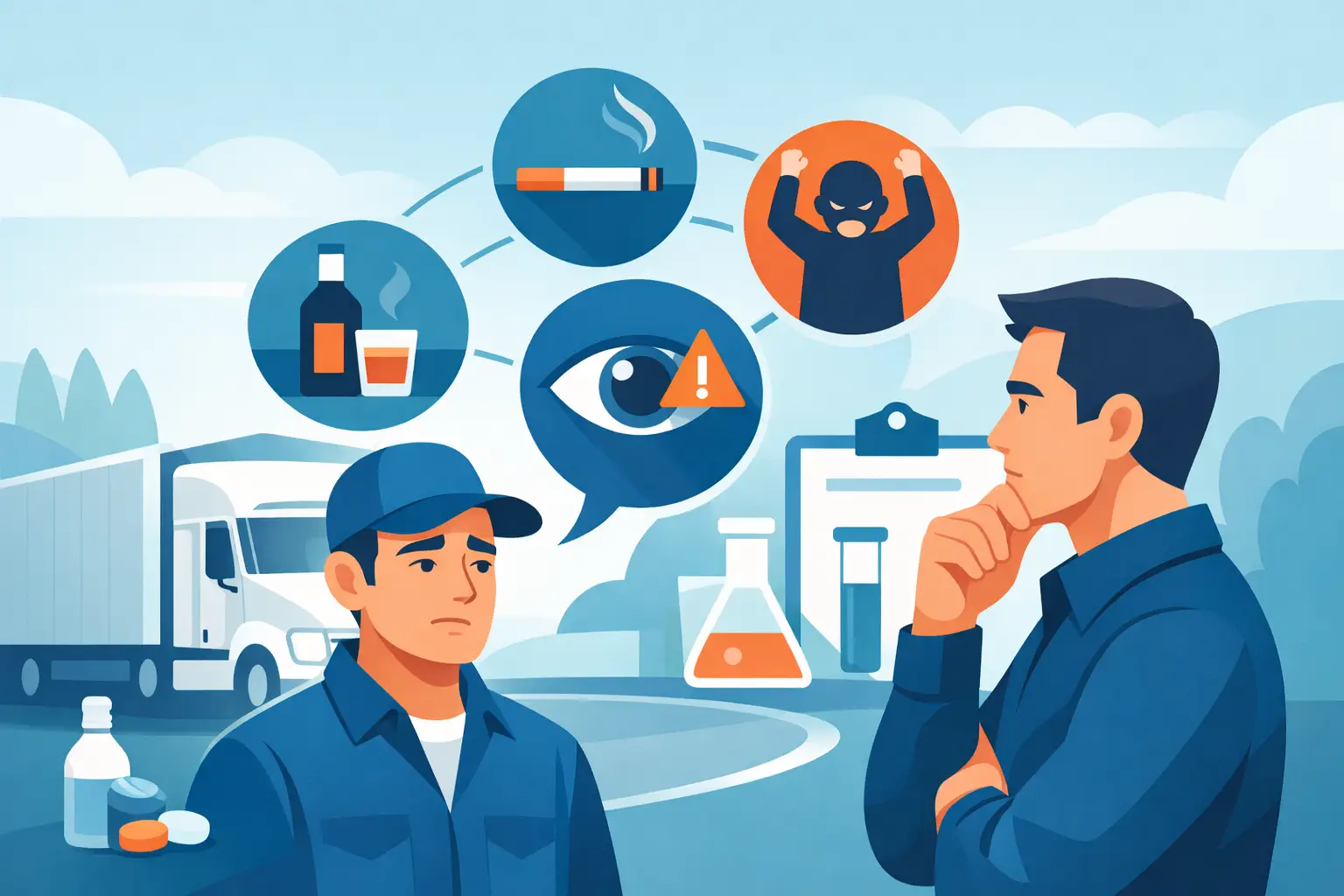
A supervisor who notices slurred speech, erratic behavior, or the odor of alcohol has to make a fast decision that may affect public safety, an employee’s livelihood, and the employer’s compliance record. Supervisor drug testing certification gives managers the training and documentation needed to recognize possible impairment, act within policy, and avoid turning a difficult situation into a compliance failure.
For DOT-regulated employers, supervisor training is not optional. For non-DOT employers, it is still a practical safeguard when a workplace policy allows reasonable suspicion or for-cause testing. The right program prepares supervisors to make objective observations, follow the correct process, and protect the dignity of everyone involved.
What supervisor drug testing certification means
The term supervisor drug testing certification can be misleading. In most cases, it does not mean a supervisor is certified to collect specimens, interpret laboratory results, diagnose substance use disorders, or determine whether an employee is medically qualified for duty.
Instead, the training confirms that a supervisor has completed instruction on recognizing the physical, behavioral, speech, and performance indicators of probable drug use and alcohol misuse. It should also cover the employer’s reporting and testing process, the limits of the supervisor’s role, and documentation expectations.
A completion certificate is valuable evidence that training occurred. It is not a substitute for a written drug and alcohol testing policy, a designated employer representative, a qualified collector, a medical review process, or a compliant testing program.
For employers subject to Federal Motor Carrier Safety Administration rules, the requirement is specific. Supervisors of CDL drivers must receive at least 60 minutes of training on the indicators of probable drug use and at least 60 minutes on the indicators of probable alcohol misuse. This training supports reasonable suspicion testing decisions under FMCSA rules.
Other DOT agencies have their own drug and alcohol testing rules. Employers should confirm the requirements that apply to their operation, workforce, and regulated agency rather than assuming one training record covers every obligation.
Why supervisors need training before an incident
Reasonable suspicion decisions are often made under pressure. A driver may be preparing to leave on a route. A safety-sensitive employee may be midway through a shift. Coworkers may be concerned but unsure what to say. Without training, a supervisor may either ignore observable warning signs or rely on a vague impression that cannot be supported later.
Training creates a repeatable process. The supervisor observes specific facts, records what was seen or heard, contacts the designated employer representative when required, and follows the employer’s testing instructions. The focus is not proving that an employee used a substance. The focus is identifying contemporaneous signs that meet the policy and regulatory threshold for action.
This distinction matters. A reasonable suspicion referral should be based on direct observations, not rumors, personality conflicts, attendance history, or assumptions about a medical condition. Supervisors should avoid statements such as “he looked high.” A stronger record identifies the facts: unsteady gait, unusually slow responses, bloodshot eyes, incoherent speech, or a documented safety-related performance change.
Good training also helps supervisors respond with professionalism. They should not debate the employee, conduct an investigation beyond their role, request admissions, or publicly discuss the situation. Privacy, consistency, and prompt action protect both the employee and the employer.
DOT training requirements and practical limits
DOT drug and alcohol testing is governed by agency regulations and federal procedures. In an FMCSA program, reasonable suspicion testing must be based on specific, contemporaneous, articulable observations concerning the appearance, behavior, speech, or body odors of the driver. The observations must be made by a trained supervisor or company official.
The supervisor’s training supports the observation. It does not authorize shortcuts. A company cannot replace a required testing process with a supervisor’s opinion, and a supervisor cannot treat a preliminary screening result as a final determination. Each party in the program has a defined role.
The timing rules also matter. Alcohol reasonable suspicion testing has strict timing and documentation expectations if testing does not occur within the required window. Drug reasonable suspicion testing should be conducted as soon as practicable. Supervisors need to know who to contact after hours, where the employee will be sent, how transportation will be handled, and how the event will be recorded.
Employers should build these steps into a written response plan before an incident occurs. A plan that exists only in an employee handbook is not enough if no one knows the after-hours number, the nearest collection location, or the procedure for removing a safety-sensitive employee from duty.
What effective supervisor training should cover
A useful program goes beyond a slide presentation and a certificate. It should connect regulatory requirements to the actual situations supervisors face in terminals, shops, dispatch offices, construction sites, warehouses, and roadside operations.
Training should address the signs of probable drug use and alcohol misuse, but it should also explain what supervisors must do next. This includes maintaining safety, notifying the appropriate internal contact, arranging the test, documenting observations, and following confidentiality practices.
The strongest courses use practical scenarios. For example, a supervisor may observe a driver stumbling near a vehicle, speaking unusually slowly, and failing to follow a routine dispatch instruction. The training should clarify which observations to document, when to remove the driver from safety-sensitive work, and how to initiate the employer’s reasonable suspicion process.
Training should also address situations where the answer is less clear. Fatigue, illness, prescription medication effects, stress, and disabilities can create symptoms that resemble impairment. Supervisors are not expected to diagnose the cause. They are expected to document observable behavior and follow policy. When observations do not meet the threshold, the correct response may be to monitor the situation, address a performance issue separately, or consult the designated employer representative.
Documentation protects the testing decision
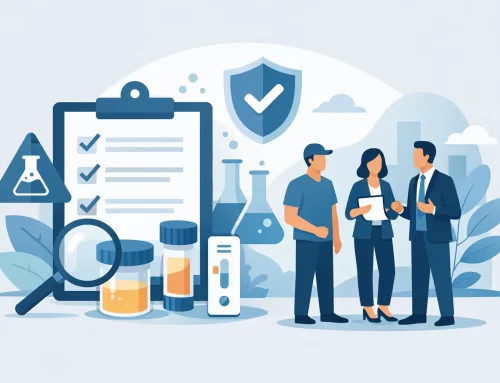
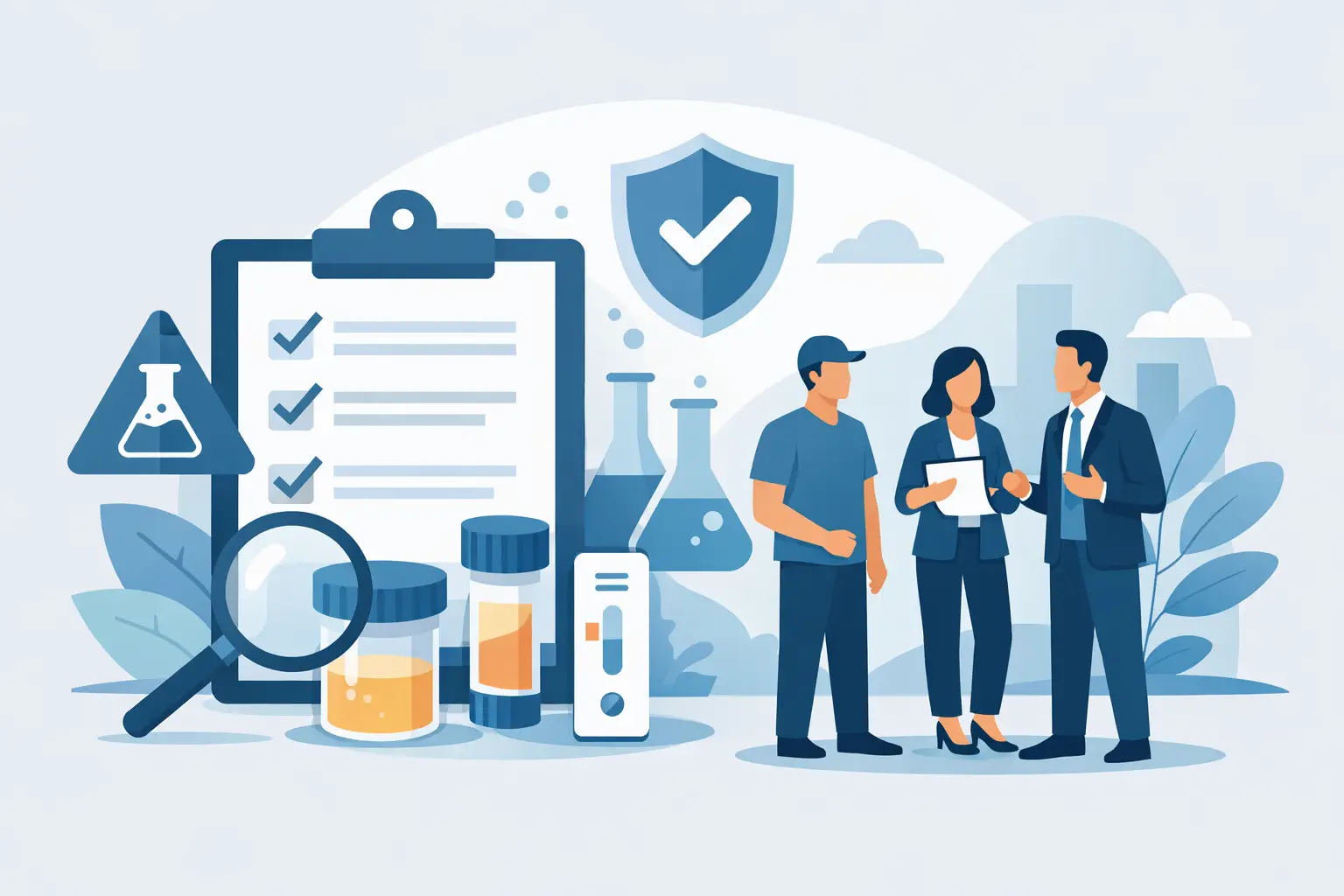
A certification record shows that a supervisor received training. Incident documentation shows why a particular decision was made. Both are necessary parts of a defensible program.
When reasonable suspicion testing is initiated, the written record should be completed promptly and kept with restricted access. It should identify the date, time, location, employee, observing supervisor, and specific observations. It should also capture the action taken and any required notifications.
Avoid conclusory language and emotional descriptions. Write what happened, not what the supervisor believes caused it. “Employee had difficulty maintaining balance while walking from the loading area to the office” is more useful than “employee appeared intoxicated.” Clear documentation helps the employer demonstrate that its decision was based on observed facts and applied consistently.
Employers should also retain training records for each supervisor, including the training date, subject matter, provider, and proof of completion. Refresher training is not always prescribed on a fixed DOT schedule, but it is a sound practice when supervisors change roles, policies are updated, an incident reveals a gap, or time has passed since initial instruction.
Building a response plan that works after hours
A training program is only as effective as the process behind it. If a supervisor recognizes reasonable suspicion but cannot reach a decision-maker or locate a collection site, the organization is exposed at the moment it needs control most.
Employers should define who has authority to order testing, identify backup contacts, establish transportation procedures, and make sure supervisors can access current collection-site information. The plan should cover nights, weekends, remote locations, and post-accident events. It should also state how supervisors will keep employees out of safety-sensitive duties while the process is underway.
For organizations managing multiple locations or a mixed DOT and non-DOT workforce, centralized program support can reduce confusion. WOOTS helps employers coordinate training, testing access, reporting, and DOT program administration so supervisors are not left to solve a compliance issue alone during an active incident.
Certification is preparation, not a one-time task
Supervisor training works best when it is treated as part of everyday safety management, not a file that is completed once and forgotten. Review the reasonable suspicion process with leadership, test after-hours contacts, keep policies current, and make sure new supervisors are trained before they are responsible for safety-sensitive employees.
When a real concern arises, the goal is not to make a dramatic judgment. It is to make a careful, timely, well-documented decision that protects the employee, the public, and the employer’s compliance program.





Leave A Comment