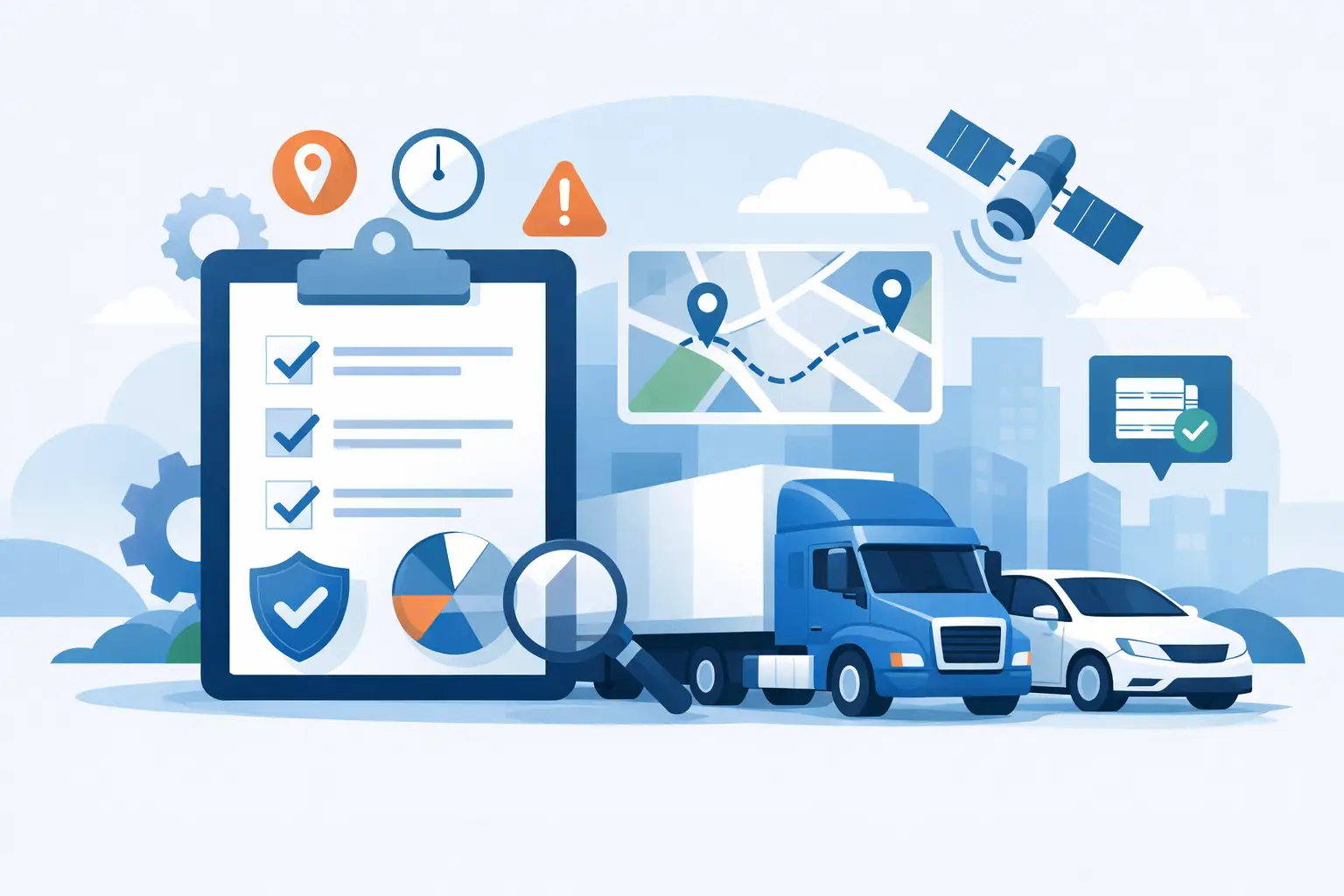
A driver is selected for a random test, a post-accident decision must be made, or an auditor requests records from two years ago. Those are not administrative inconveniences. They are moments when a fleet’s compliance process is tested.
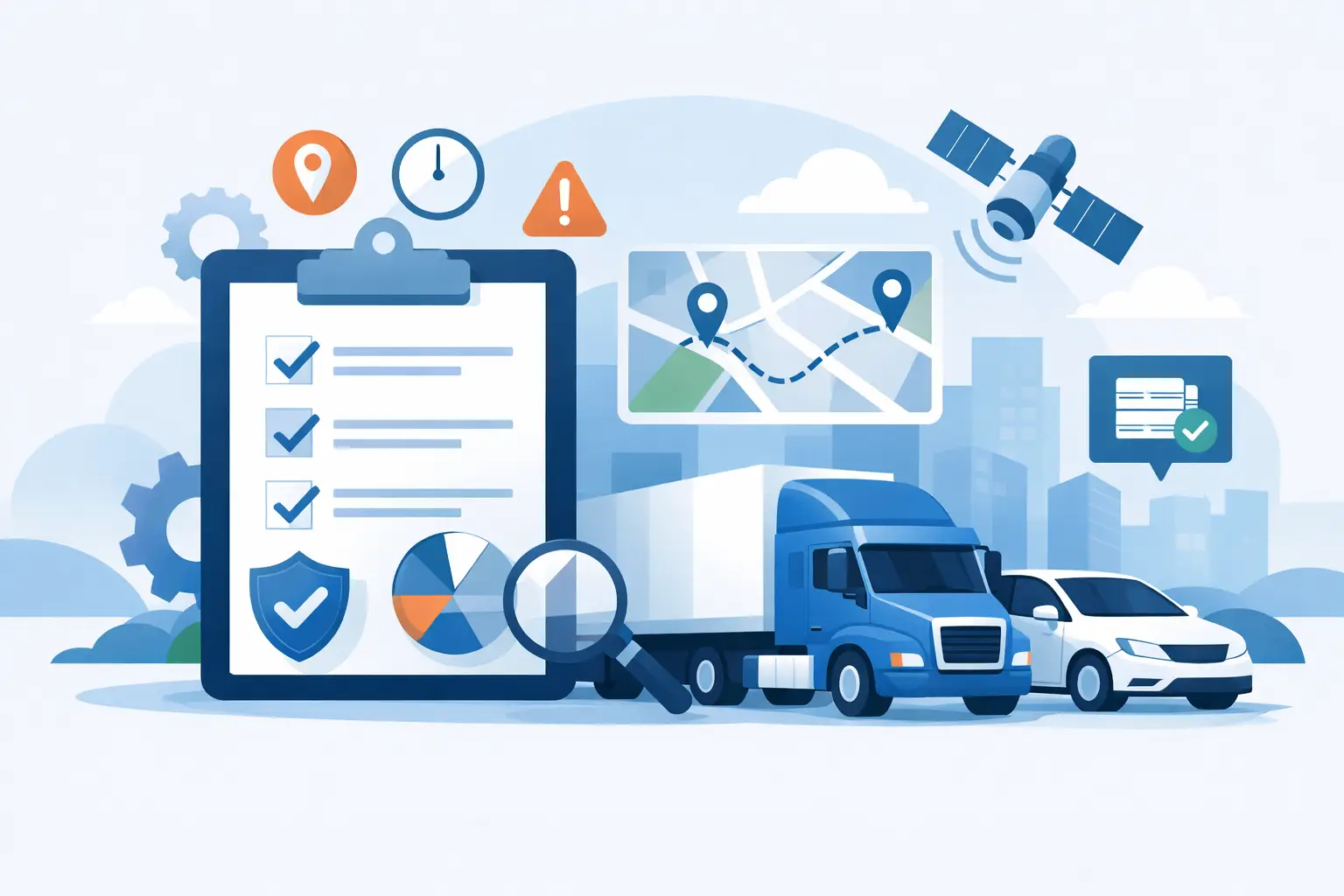
Fleet compliance software can help transportation employers organize deadlines, records, testing activity, and reporting in one place. But software alone does not make a DOT program compliant. The right system must support sound procedures, qualified service partners, timely testing coordination, and people who understand what requires action now.
For fleets operating across states, using owner-operators, or managing multiple DOT agencies, the goal is not simply to store documents. It is to create a dependable process that keeps safety-sensitive employees eligible to work and gives managers a clear record of what happened, when it happened, and who acted.
What Fleet Compliance Software Should Manage
The best platform should match the actual work of a fleet safety manager, HR team, or compliance officer. That begins with a complete driver roster. Each record should identify the employee’s role, DOT agency coverage, testing pool, license and medical certification status where applicable, and required training or policy acknowledgments.
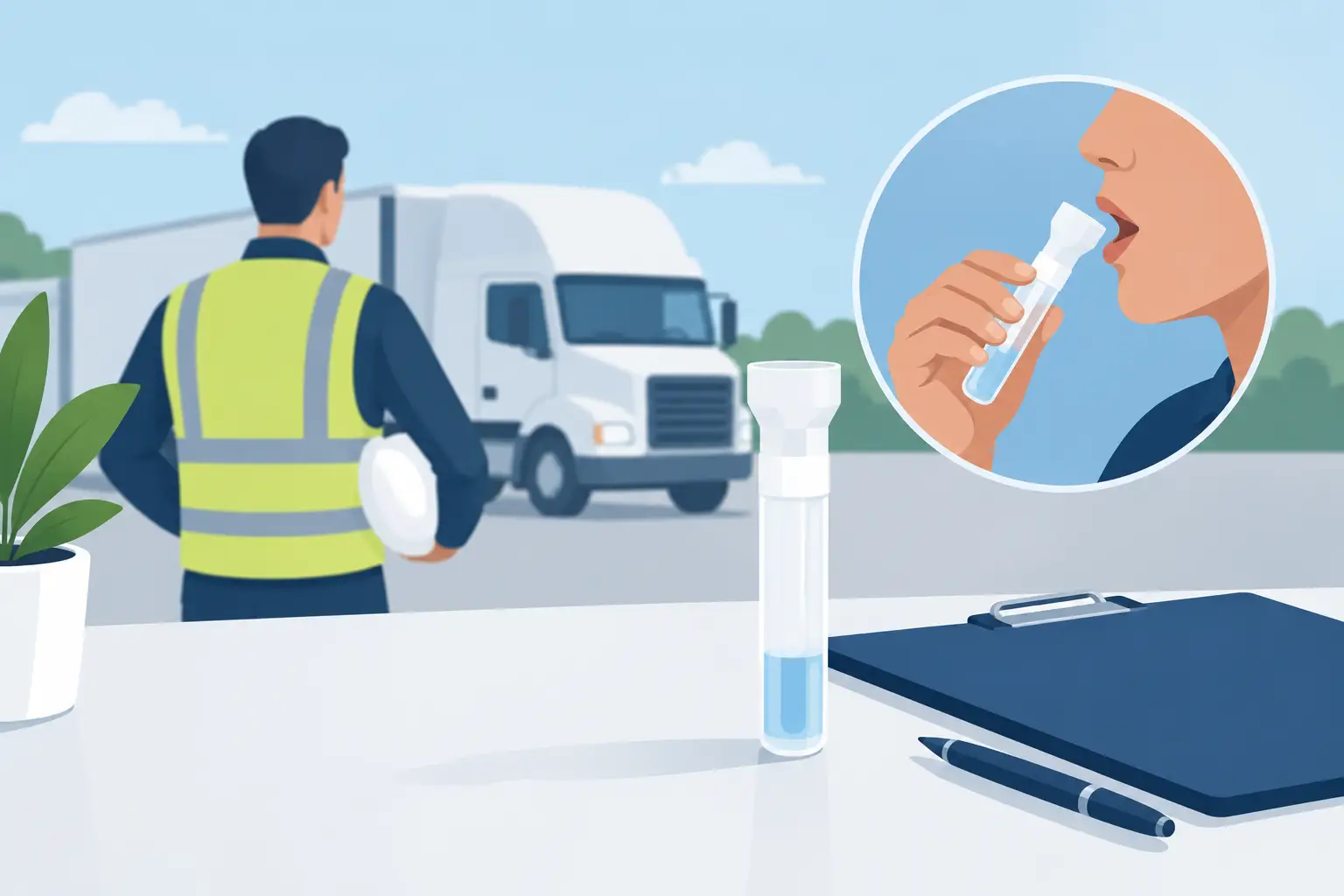
For drug and alcohol program administration, the system should clearly track pre-employment testing, random selections, reasonable suspicion training, post-accident documentation, return-to-duty activity, and follow-up testing plans. A status label such as complete is not enough. Your team should be able to see the underlying documents, dates, test type, results status, and any required next action.
Random testing requires particular attention. DOT random selections must be scientifically valid, conducted at the required annual rate, and made from an accurate pool of safety-sensitive employees. A platform that only sends reminders but cannot support documented selection records, timely notifications, and testing completion creates false confidence.
For FMCSA-regulated employers, the software or connected compliance service should also support Clearinghouse workflows. This includes documenting pre-employment full queries, annual limited queries when permitted, consent status, and actions taken when a driver’s record requires employer review. Clearinghouse responsibilities cannot be handled by a dashboard alone. They require authorized users, correct employer and C/TPA designations, and a process for acting on results.
Software Is Not a Substitute for Program Oversight
This is where many fleets make an expensive mistake. They purchase a system because it promises compliance, then assume the program will run itself. Deadlines may be visible, but a missed collection, a driver who was not removed from a pool, or an incomplete follow-up plan still requires a person to intervene.
Compliance software is most effective when it creates accountability. It should assign tasks, document notifications, identify overdue items, and give authorized staff a reliable audit trail. It should also make exceptions obvious. A report that shows 98 percent completion may look strong, but the remaining 2 percent could include a driver who should not be dispatched until a required step is resolved.
Service support matters most when an issue is time-sensitive. After an accident, supervisors may need immediate guidance on whether DOT post-accident testing is required and how to arrange it. A software alert cannot collect a specimen, locate an after-hours collection site, or explain the difference between an employer policy requirement and a DOT requirement.
The practical model is software plus informed support. Use the system to maintain visibility and documentation, while relying on trained program administrators, collection networks, and qualified medical review processes to carry out required actions correctly.
The Records That Need to Be Easy to Find
During an audit, investigation, or internal review, scattered email folders and paper files create unnecessary exposure. Fleet compliance software should provide role-based access to records without giving every manager unrestricted access to sensitive medical or testing information.
A useful system separates operational status from confidential results. Dispatch may need to know whether a driver is eligible to perform safety-sensitive work. Designated employer representatives and compliance staff may need access to detailed testing records. That separation protects privacy while allowing the business to make timely staffing decisions.
At a minimum, fleets should be able to retrieve records for:
- Random selection and testing completion
- Pre-employment, post-accident, reasonable suspicion, return-to-duty, and follow-up testing
- Chain-of-custody and result-related documentation retained under applicable rules
- Supervisor training, company policy acknowledgments, and employee education records
- Clearinghouse query records and other agency-specific documentation
Retention periods vary by record type and regulation. A system should help flag retention requirements, but the employer remains responsible for knowing which rules apply. DOT agency requirements are not interchangeable, and a fleet subject to FMCSA rules may have different obligations than an employer managing FAA, FTA, FRA, USCG, or PHMSA-covered workers.
Choose Tools That Support the Way Your Fleet Operates
A small carrier with a limited number of drivers does not need the same configuration as a national operation with terminals in several states. More features are not always better. The right choice depends on your workforce size, DOT agency coverage, turnover rate, internal compliance expertise, and need for reporting.
Before selecting a platform, ask whether it can maintain separate pools for different DOT agencies and employee groups. Confirm whether it can produce reports that match your internal review process and required agency reporting. For example, FMCSA-regulated employers need accurate information to prepare annual MIS reporting when required. A system should make that data easier to verify, not generate a report that nobody reviews.
Also consider integration with the services that turn compliance records into completed actions. If a driver is selected at 4:30 p.m. in another state, can your team quickly arrange a collection? If a result requires follow-up, can the required plan, dates, and testing notices be documented in a controlled workflow? If the answer is no, the platform may organize data without solving the operational problem.
For employers with US DOT operations and Canadian workplace testing needs, configuration is especially important. A US DOT testing program is governed by specific federal rules. Canadian employer testing programs may be based on workplace policy, collective agreements, privacy considerations, and provincial requirements. They should not be treated as the same program simply because the same employee database is used.
Build a Process Around Exceptions, Not Just Deadlines
Routine reminders are valuable, but compliance failures usually occur in exceptions: a driver transfers terminals, a new hire is added late, a collection site is unavailable, a supervisor delays notification, or a result changes the employee’s work status.
Set clear ownership for each step. Identify who maintains the driver roster, who receives random selections, who directs employees for testing, who reviews overdue items, and who has authority to remove or return a driver to safety-sensitive duties. The software should reflect those responsibilities rather than forcing staff to work around it.
A monthly review is a practical safeguard. Compare active drivers against the testing pool, verify that terminated or inactive employees were handled correctly, review open testing events, and confirm that follow-up requirements remain on schedule. This is also the right time to check that supervisors have current training and that contact details for after-hours response are accurate.
WOOTS supports this operational approach with DOT program management, testing coordination, Clearinghouse administration, customized reporting, and access to more than 20,000 collection sites across North America. The value is not merely having another system to log into. It is having a dependable path from required action to documented completion.
Make Compliance Easier to Prove
The strongest fleet compliance software gives management a clear view of risk before it becomes a violation. It should help staff answer basic but critical questions quickly: Who is in the random pool? Which tests are incomplete? Which drivers have unresolved requirements? Are records retained and accessible? What needs attention before the next dispatch cycle?
Choose a solution that supports those answers, then assign trained people to act on them. When your process is clear, records are current, and testing support is available when circumstances change, compliance becomes a managed part of fleet operations rather than a last-minute emergency.


Leave A Comment