

A driver is involved in a qualifying crash at 9 p.m. A supervisor needs to know whether post-accident testing is required, which test to order, and how quickly it must happen. That is where the difference between DOT testing vs non DOT becomes operationally critical. The two programs can use similar collection procedures and laboratory methods, but they are governed by different rules, triggers, documentation standards, and consequences.
For employers with U.S. transportation operations, getting the classification wrong can create a compliance violation. For employers building a workplace program outside DOT jurisdiction, treating a non-DOT test like a DOT test can create policy, privacy, and employee-relations problems. The right program starts with a clear understanding of who is covered and what rules apply.
DOT Testing vs Non-DOT: Where Requirements Change
DOT testing is federally regulated drug and alcohol testing for employees in safety-sensitive positions covered by a U.S. Department of Transportation agency. The core testing procedures are set by 49 CFR Part 40, while each DOT agency adds its own requirements. These agencies include FMCSA for commercial motor carriers, FAA for aviation, FTA for transit, FRA for railroads, PHMSA for pipeline and hazardous materials operations, and USCG for maritime employers.
Non-DOT testing is employer-directed testing that falls outside those federal DOT rules. It may support a company drug-free workplace policy, a customer requirement, a return-to-work agreement, or a safety initiative. Canadian employers commonly use non-DOT programs because U.S. DOT regulations do not govern their domestic workforce. However, non-DOT does not mean informal or unregulated. Provincial law, collective agreements, human rights considerations, privacy requirements, and written company policy may all shape what an employer can test for and when.
The practical distinction is simple: DOT testing must follow a prescribed federal system. Non-DOT testing must follow the employer’s written policy and the laws that apply to that workforce.
Who Must Be in a DOT Program?
Job title alone does not determine DOT coverage. The employee’s actual safety-sensitive duties and the applicable agency rules determine whether DOT testing is required.
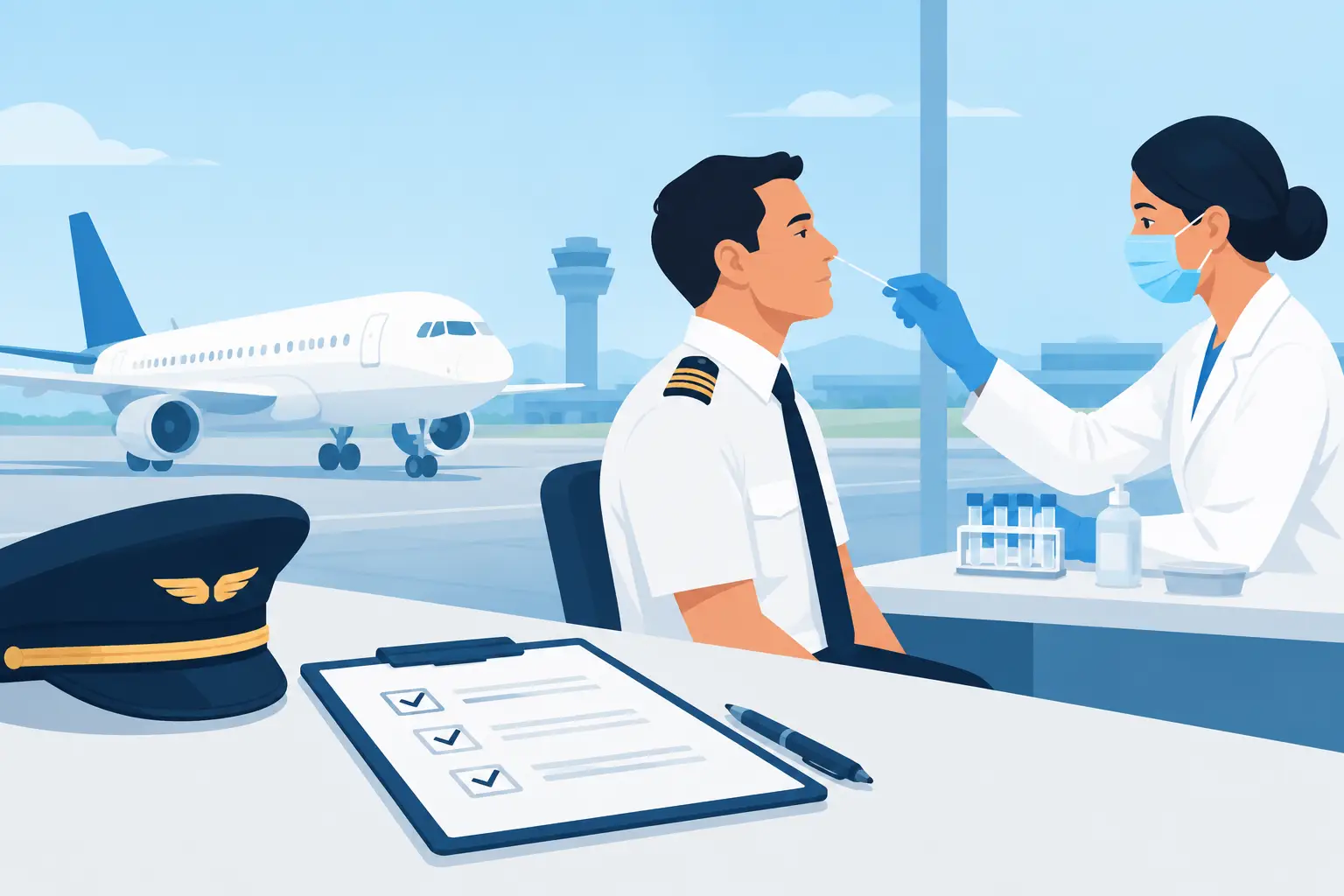
For example, a CDL driver operating a commercial motor vehicle that requires a commercial driver’s license is generally subject to FMCSA drug and alcohol testing. A dispatcher, warehouse employee, or office administrator at the same carrier may not be DOT-covered, even though they work for a transportation company. Similarly, an aviation mechanic performing safety-sensitive functions may be covered under FAA rules, while other airport employees may fall under a separate employer policy.
This distinction matters when companies use one testing pool for several employee groups. A DOT-covered employee must remain in the correct agency-specific pool, with random selections, testing rates, and records managed according to the applicable requirements. Non-DOT employees should not be placed in a DOT random pool simply because it is administratively convenient.
Testing Reasons Are Not Interchangeable
DOT programs require testing under defined circumstances. Depending on the agency, these can include pre-employment, random, post-accident, reasonable suspicion, return-to-duty, and follow-up testing. Employers do not have discretion to replace required DOT testing with a company-preferred alternative.
Random testing is a clear example. DOT random selections must be scientifically valid and unpredictable. An employer cannot select employees because they have been absent, have a poor performance record, or are perceived as higher risk. Each DOT agency also establishes annual minimum random testing rates, which can change. A compliant program tracks selections, completion status, refusals, and the required testing pools throughout the year.
Post-accident testing is another area where mistakes are common. DOT post-accident requirements are not triggered by every collision. For FMCSA-covered drivers, the need to test depends on factors such as whether there was a fatality, whether a vehicle was towed, whether medical treatment away from the scene was required, and whether the driver received a qualifying citation. Employers should have after-hours instructions ready before an incident occurs. Waiting until a crash happens to determine the process can lead to missed testing windows and incomplete records.
Non-DOT testing reasons should be stated clearly in the employer’s policy. A policy may allow pre-employment, reasonable-cause, post-incident, return-to-work, or periodic testing, but it must be applied consistently. In Canada especially, reasonable-cause and post-incident testing decisions require careful documentation and an approach that reflects the employer’s legal obligations and safety context.
The Collection and Testing Process
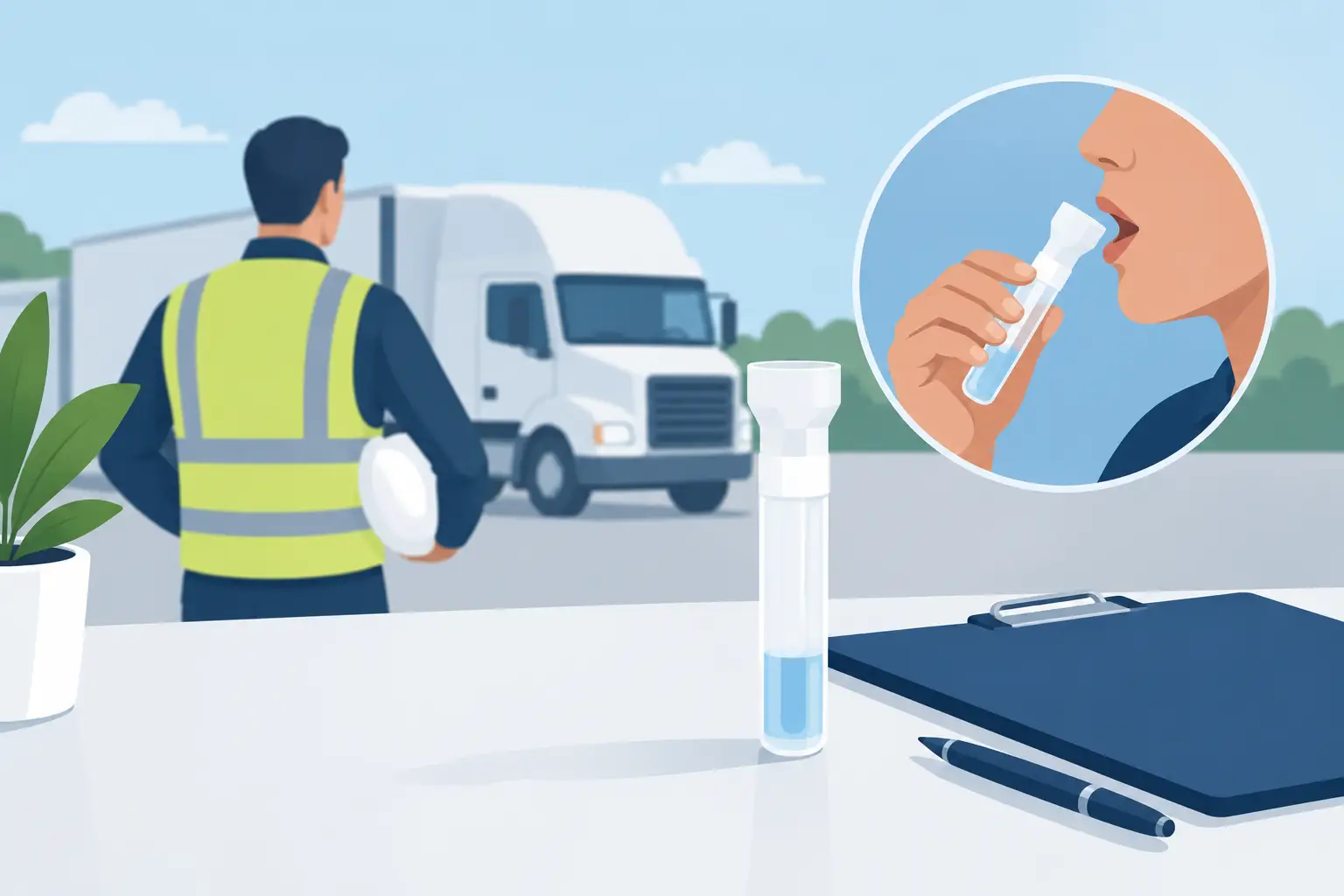
DOT urine drug testing uses a federal custody and control form and must follow Part 40 procedures from collection through medical review. DOT drug tests screen for a specific federal panel that includes marijuana metabolites, cocaine metabolites, amphetamines, opioids, and phencyclidine. DOT alcohol testing has its own procedures, including trained breath alcohol technicians and specified evidential testing devices.
A DOT collection is not simply a drug test ordered for a driver. Details such as the correct form, identification of the DOT agency, collector qualifications, chain of custody, laboratory processes, and Medical Review Officer review all matter. Procedural errors can require corrective action and may affect an employer’s ability to defend its program.
Non-DOT programs offer more flexibility. Employers may choose urine, oral fluid, hair, or other testing methods where permitted, along with test panels that fit their policy and risk profile. That flexibility is useful, but it also requires disciplined program design. The policy should identify the testing method, substances tested, circumstances for testing, employee notice, refusal standards, result handling, and consequences.
A non-DOT test cannot substitute for a required DOT test, even if it is conducted on the same day and produces a negative result. Likewise, a DOT result should not automatically be used for non-DOT employment decisions without considering the employer’s policy and applicable legal requirements.
Results, Refusals, and Return-to-Duty Requirements
In a DOT program, a verified positive drug test, alcohol result of 0.04 or greater, or refusal to test removes the employee from safety-sensitive duties. A refusal can include more than declining to provide a specimen. Leaving the collection site before the process is complete, failing to provide an adequate specimen without a valid medical explanation, tampering, or failing to cooperate can also be treated as a refusal.
DOT employees who violate drug and alcohol rules must complete the required process with a qualified Substance Abuse Professional before they can return to safety-sensitive work. The process includes an evaluation, recommended education or treatment, a follow-up evaluation, a negative return-to-duty test, and follow-up testing. For FMCSA-regulated drivers, applicable violations and return-to-duty status must also be reported to the Drug and Alcohol Clearinghouse.
Non-DOT consequences depend on the policy, employment law, and the facts of the case. Employers should avoid borrowing DOT language without adapting it. A policy that says a non-DOT employee is automatically subject to a DOT-style return-to-duty process may be unclear or unenforceable in that workplace. Define the process in advance, including whether the organization uses an Employee Assistance Program, last-chance agreements, fitness-for-duty evaluations, or disciplinary action.
Records and Program Administration
DOT records are compliance records. Employers must retain them for required periods, protect confidentiality, and be able to produce them during an audit or investigation. Required documents can include random selection records, test results, training records, reasonable suspicion documentation, annual management information system reports where applicable, and proof of Clearinghouse queries for FMCSA employers.
Non-DOT records require the same care, even though the retention rules differ. Test results are sensitive personal information. Limit access, keep records separate from general personnel files where appropriate, and establish a consistent process for reporting results to the people who need to act on them.
The administrative workload grows quickly when a business operates across borders or has both DOT-covered and non-DOT personnel. Separate pools, correct forms, documented policies, after-hours collection access, and timely reporting are not extras. They are the controls that keep testing programs workable when an urgent event occurs.
Build the Program Around the Work Being Performed
Start by mapping each role to its actual duties, work location, and regulatory coverage. Then determine whether the employee belongs in a DOT agency pool, a non-DOT workplace program, or neither. Train supervisors to recognize reasonable suspicion indicators and to follow the right escalation process. Finally, make sure your testing provider can coordinate collections where and when your employees work.
WOOTS helps employers manage DOT and non-DOT testing programs with compliance-focused administration, broad collection access, and support when timing matters. A well-built program gives supervisors clear next steps, protects employees’ rights, and helps the organization respond with confidence when a test is required.



Leave A Comment