
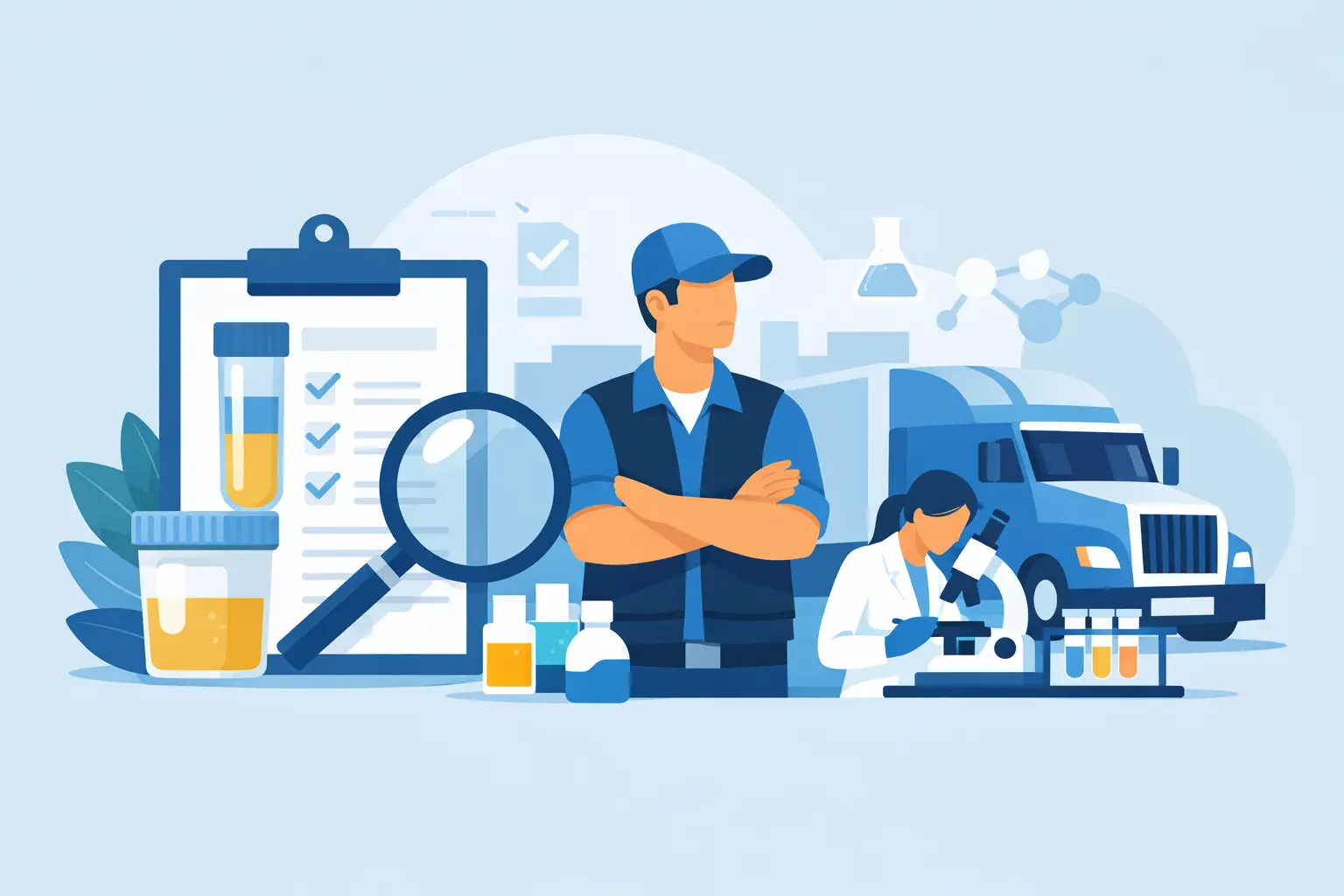
A load can be ready, the truck can be fueled, and a customer can be waiting – but a missed DOT testing requirement can still put an owner-operator out of service. Drug testing for owner operators is not simply a test to complete when convenient. It is an ongoing compliance program with enrollment, random testing, documentation, and Clearinghouse responsibilities that must remain current all year.
For most owner-operators who operate commercial motor vehicles requiring a CDL in interstate commerce, FMCSA drug and alcohol testing rules apply even when there are no employees on payroll. Being self-employed does not remove the obligation. In practice, it means the owner-operator must take on both roles: the driver subject to testing and the employer responsible for program compliance.
Why owner-operators need a DOT testing program
FMCSA-regulated drivers must be covered by a DOT-compliant drug and alcohol testing program under 49 CFR Part 382. An owner-operator cannot manage the random testing requirement alone. They must participate in a compliant random testing pool, usually through a consortium or consortium/third-party administrator, commonly called a C/TPA.
The testing pool matters because selections must be genuinely random and made at the required annual testing rate. A driver cannot choose a preferred testing schedule or substitute periodic tests for random selections. If selected, the driver must report promptly to a collection site and complete the test as directed.
A well-managed program also gives owner-operators a documented process for testing events, results, records, and regulatory changes. That is particularly valuable during an audit, roadside investigation, carrier qualification review, or a customer compliance request.
The DOT tests that may apply
A complete FMCSA program addresses more than random testing. The specific reason for a test determines what is required, how quickly it must happen, and what records must be retained.
Pre-employment drug testing
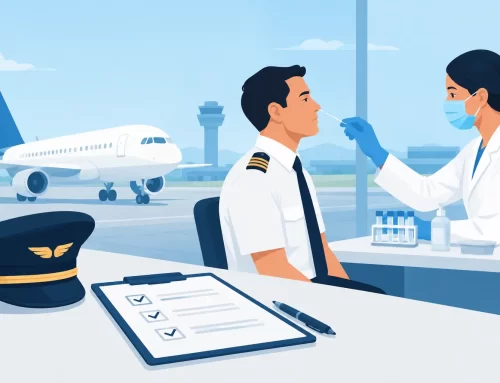
Before performing safety-sensitive functions for a new DOT employer, a driver generally needs a negative DOT drug test. Owner-operators who are entering a new arrangement, changing carriers, or establishing their own authority should confirm how this requirement applies before operating.
There are limited regulatory exceptions in certain circumstances involving recent compliant testing and prior employer information. Those exceptions are fact-specific. Treating a prior test as automatically transferable can create a compliance gap, so verify eligibility and maintain the required documentation.
Alcohol testing is not federally required for FMCSA pre-employment testing, although an employer may adopt a separate policy that requires it.
Random drug and alcohol testing
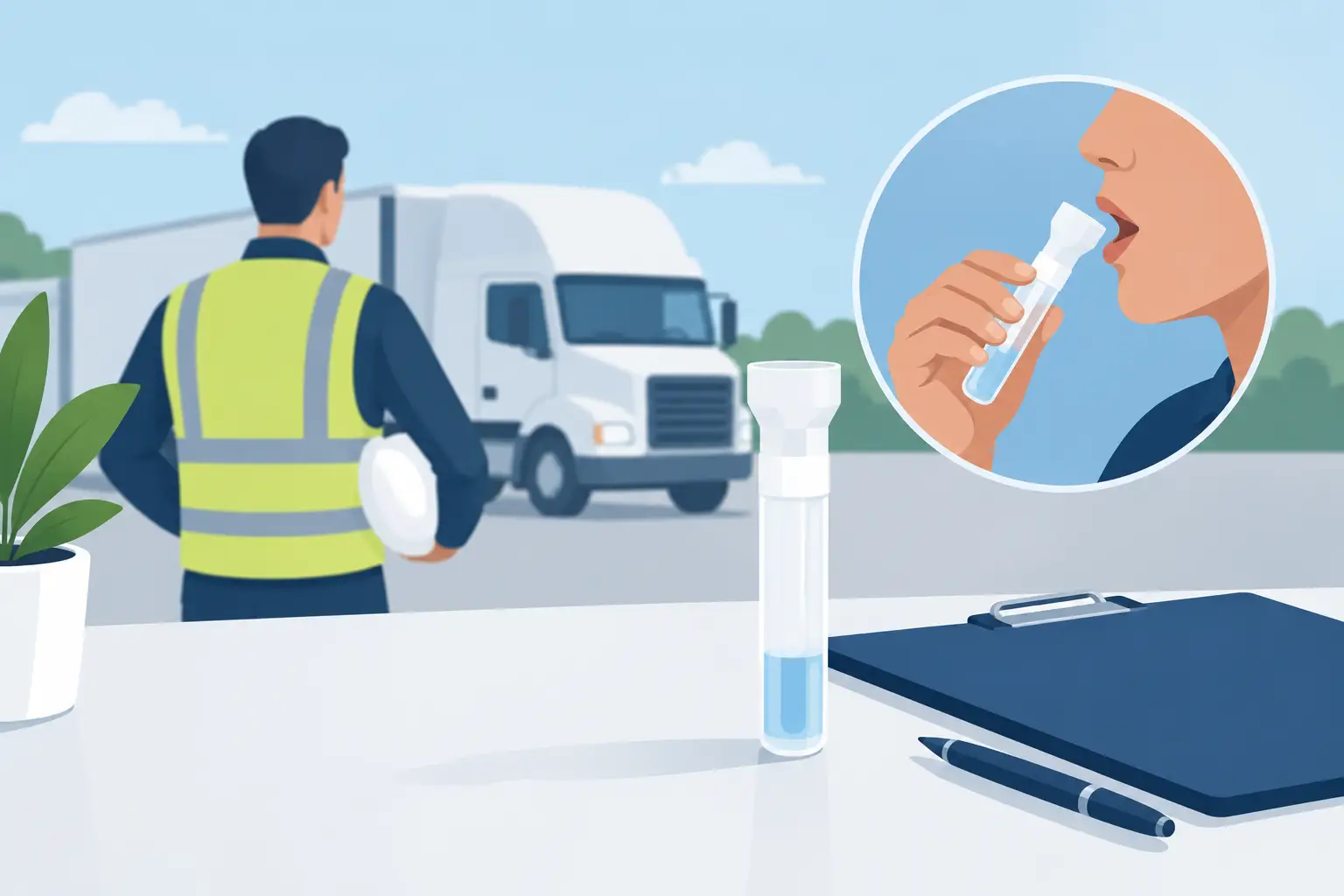
Random testing is the core ongoing obligation for most owner-operators. Drivers must be placed in a compliant pool and selected through a scientifically valid method. Selections can occur at any time of year, including during busy freight periods.
The driver must be notified and proceed to testing immediately. Delaying the test to finish a route, deliver a load, or return home can be treated as a refusal. A practical program provides broad collection-site access and after-hours coordination, reducing the chance that a selection turns into a missed test.
FMCSA sets annual minimum random testing rates, and those rates can change. Do not assume last year’s rate remains in effect. Your C/TPA should administer the current requirement and retain records showing that your pool was managed correctly.
Post-accident testing
Post-accident testing is one of the highest-pressure parts of an owner-operator program. The requirement is not triggered by every incident. Under FMCSA rules, testing may be required after a fatal accident, or after certain accidents involving a citation and either an injury requiring immediate medical treatment away from the scene or disabling vehicle damage requiring a tow-away.
When required, alcohol testing should be completed as soon as practicable, generally within eight hours. Drug testing should be completed as soon as practicable, generally within 32 hours. If testing cannot be completed within those windows, the employer must document the reason. A post-accident plan should be in place before an event occurs, including after-hours contact instructions and nearby collection options.
Reasonable suspicion, return-to-duty, and follow-up testing
Reasonable suspicion testing requires a trained supervisor who has made observations concerning a driver’s appearance, behavior, speech, or body odors. For a true independent owner-operator with no supervisor, this can be more complicated. Do not invent a reasonable-suspicion process after an incident. Establish clear reporting and support procedures in advance.
A DOT violation, including a positive test or refusal, removes a driver from safety-sensitive duties until the return-to-duty process is completed. That process involves a qualified Substance Abuse Professional, education or treatment recommendations, a follow-up evaluation, a negative return-to-duty test, and a follow-up testing plan. It is not resolved by taking another test independently.
Clearinghouse duties for owner-operators
The FMCSA Drug and Alcohol Clearinghouse is separate from the collection and laboratory process, but it is central to compliance. Owner-operators need to register in the Clearinghouse and ensure required queries are completed.
If you are an owner-operator without an employer, you must designate a C/TPA in the Clearinghouse to conduct required queries on your behalf. The C/TPA can manage the process, but the driver remains responsible for maintaining an active account and providing consent when a full query is required.
A full pre-employment query requires the driver’s electronic consent and must be completed before the driver performs safety-sensitive functions for the employer. An annual limited query is also required for each current driver, with consent maintained as required. If a limited query identifies information in the Clearinghouse, a full query must follow.
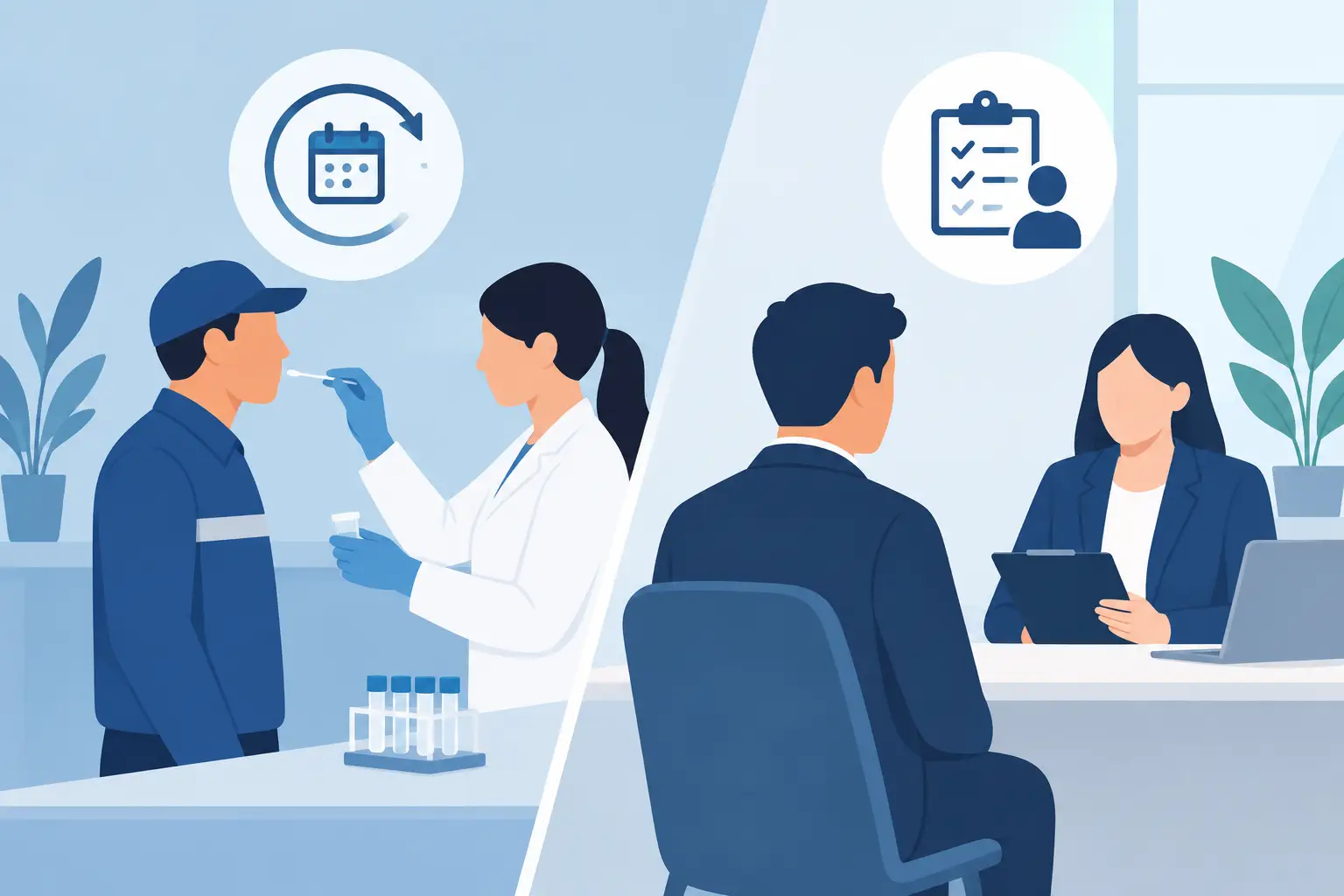
Clearinghouse requirements can be easy to miss when an owner-operator is focused on dispatch, maintenance, insurance, and billing. Keep query dates on a compliance calendar and confirm who is responsible for each action. A missed query is still a missed query, even when no drug or alcohol violation exists.
What a compliant testing program should provide
Owner-operators need a program that works when the truck is away from the home terminal. Convenience is not just a service feature. It supports timely compliance when a random selection or post-accident event occurs on the road.
Look for a C/TPA that can coordinate DOT testing across a large collection-site network, manage your random pool, provide test status and reporting access, and offer real support after normal business hours. The provider should also understand the differences between DOT and non-DOT testing. A non-DOT test cannot replace a required DOT test, and DOT chain-of-custody and reporting procedures must be followed for DOT-regulated events.
Recordkeeping is equally important. Maintain documentation for enrollment, test notices, completed tests, Clearinghouse queries, post-accident decisions, and any required follow-up actions. Retention periods vary by record type, so a centralized compliance file is safer than relying on text messages, emails, or paper receipts stored in the truck.
WOOTS supports owner-operators with DOT program administration, Clearinghouse support, broad collection-site access, and practical assistance when testing needs arise outside a standard office schedule.
Common mistakes that create avoidable risk
The most common problem is joining a pool but assuming the job is finished. Enrollment is only the starting point. The driver must stay active in the pool, respond immediately to selections, complete Clearinghouse tasks, and keep contact information current.
Another frequent mistake is confusing a physical, a carrier-required screen, or a non-DOT test with a federally required DOT test. Each may have a separate purpose, but only a properly conducted DOT test satisfies a DOT testing obligation.
Owner-operators also run into trouble after accidents by waiting too long to seek direction. The post-accident decision depends on specific facts, including fatalities, citations, injuries, and vehicle damage. Contact your compliance provider immediately, document the facts, and follow the required timeline rather than relying on assumptions at the scene.
Keep compliance ready for the next dispatch
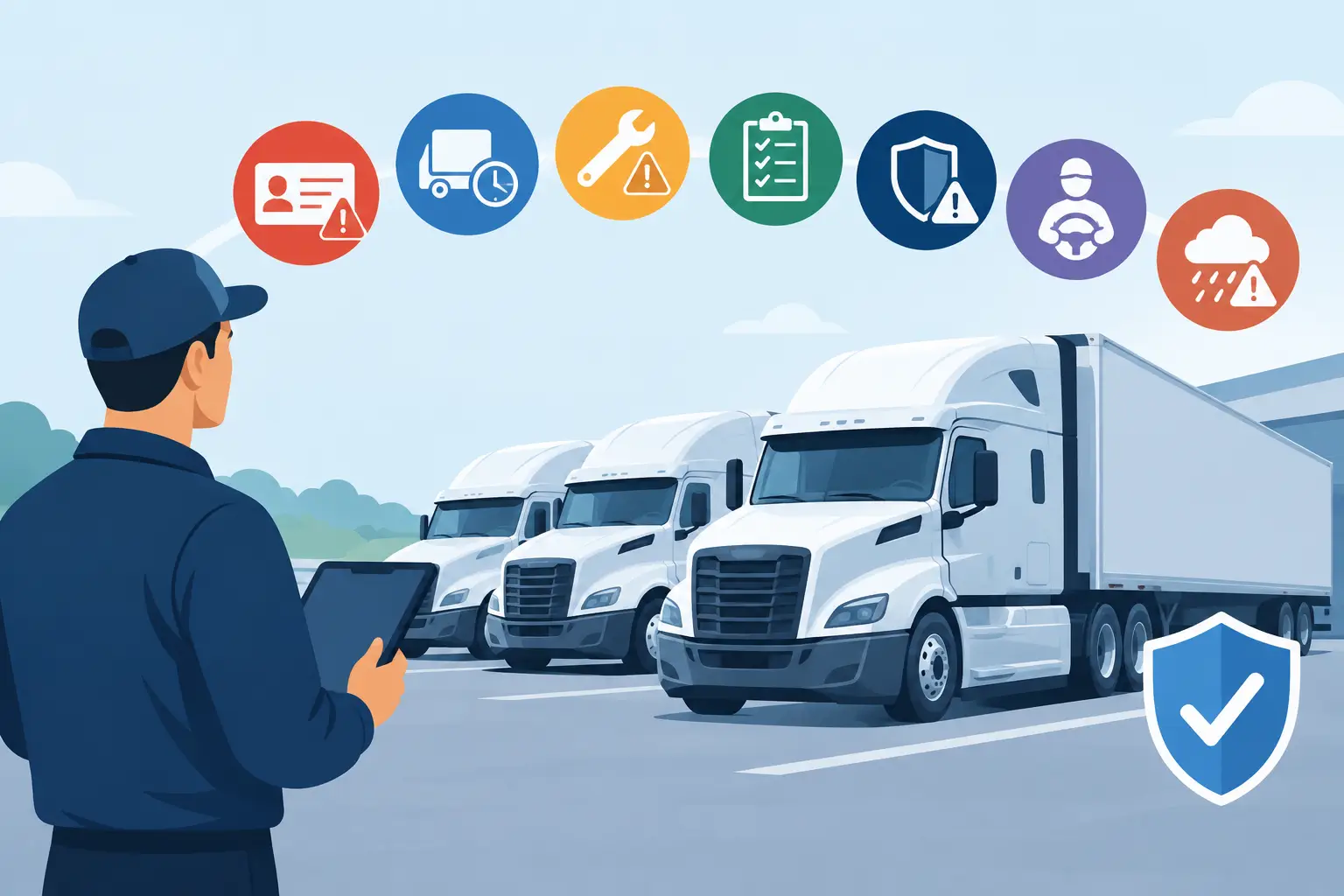
The best time to organize testing records, confirm Clearinghouse access, and verify random-pool enrollment is before a selection or accident occurs. A dependable testing program should let you focus on moving freight while giving you a clear process for the compliance duties that must not be missed. Review your status regularly, keep your support contacts available in the cab, and act promptly whenever a testing event is triggered.

Leave A Comment