

A missed random selection, a delayed post-accident test, or one reporting error can turn a routine DOT program into a compliance problem fast. That is why choosing the right DOT consortium third party administrator matters for employers, owner-operators, and safety managers who need testing programs to run correctly every time.
For many regulated employers, drug and alcohol testing is not hard because the rules are unclear. It is hard because the rules are detailed, time-sensitive, and unforgiving when paperwork, notifications, or follow-up steps slip. A capable consortium and third party administrator, often shortened to C/TPA, takes those moving parts off your plate and keeps the program aligned with DOT requirements across daily operations.
What a DOT consortium third party administrator actually does
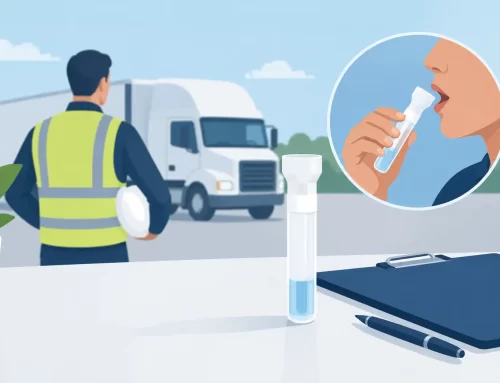
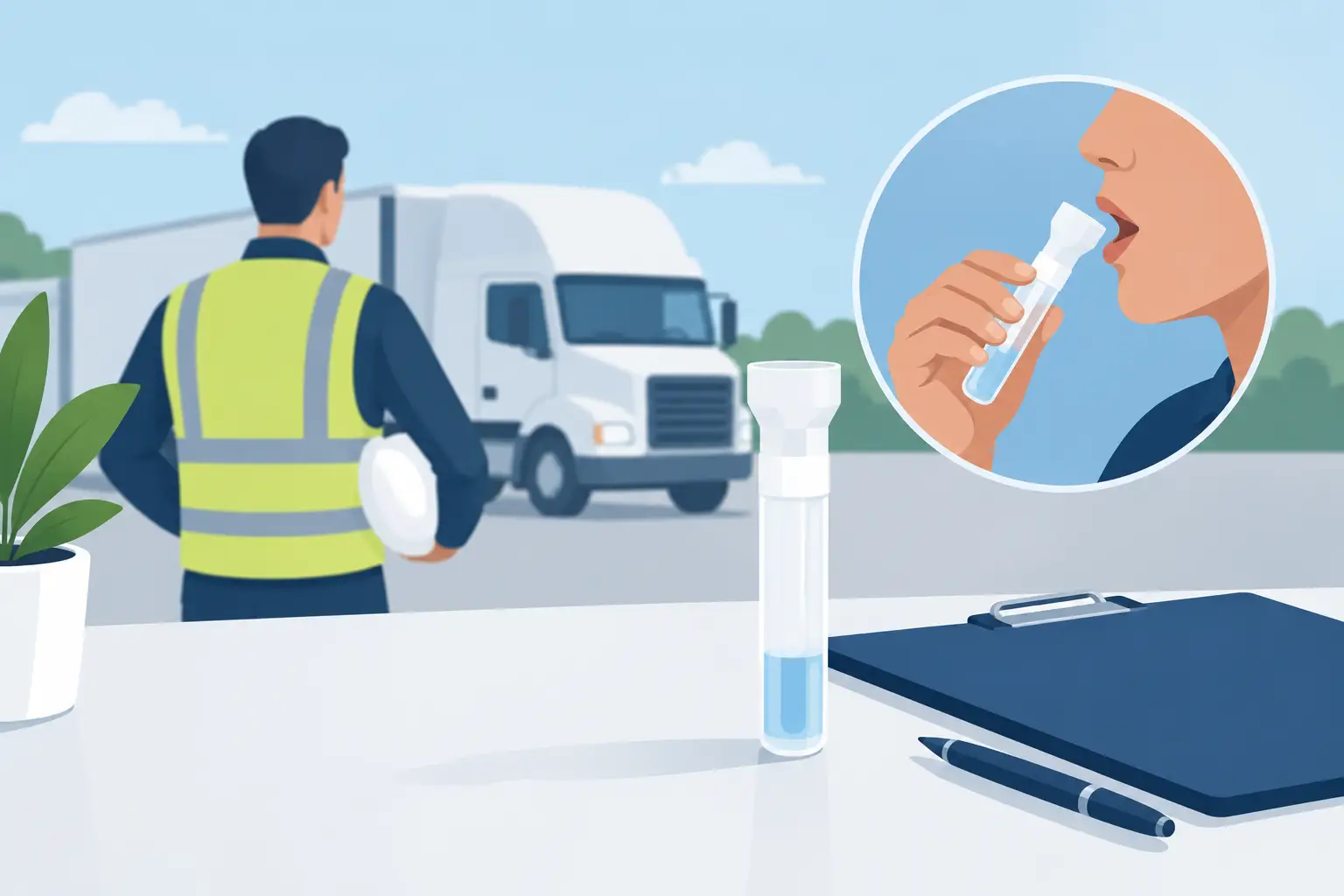
A DOT consortium third party administrator manages the administrative side of a DOT drug and alcohol testing program. That can include enrolling employers or owner-operators into a consortium pool, coordinating random selections, arranging testing, maintaining records, supporting Clearinghouse tasks, and helping clients respond when an event triggers immediate action.
The word consortium matters here. A consortium combines multiple covered employers into one random testing pool, which is especially useful for single drivers, small fleets, and companies without enough covered employees to maintain practical standalone random selections. The third party administrator side refers to the service partner handling program administration. In some cases, one company does both. In others, functions are split. Employers should know exactly who is responsible for what.
In practice, a C/TPA is often the operational backbone of a compliance program. When a supervisor needs post-accident help after hours, when a driver must be sent for a reasonable suspicion test, or when records need to be ready for an audit, the value of a well-run administrator becomes obvious.
Why employers use a DOT consortium third party administrator
The main reason is simple. DOT compliance takes consistent execution, not occasional attention. Many employers do not have the internal staff, time, or specialized knowledge to manage every step without support.
Small employers and owner-operators often rely on a consortium because random testing requirements still apply even if there is only one covered employee. Larger employers may already understand the rules but still use a third party administrator to reduce administrative burden, improve response times, and create cleaner reporting across locations.
There is also a risk management benefit. A testing program can fail even when intentions are good. Missed deadlines, incomplete records, outdated policy language, or weak supervisor training can create exposure during an audit or following an incident. A strong C/TPA helps reduce those gaps, though it does not remove the employer’s legal responsibility. That distinction matters. The employer remains accountable under DOT rules, even when a third party handles administration.
The core services that matter most
Not every provider offers the same level of support. Some focus on random testing only. Others manage a broader compliance program. The right fit depends on your size, mode of transportation, and internal resources.
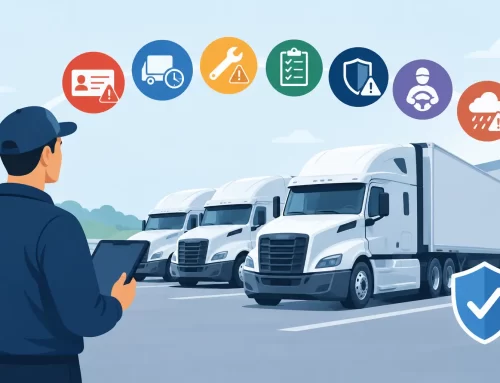
At minimum, most employers should expect help with consortium enrollment, random testing administration, test scheduling, result reporting, and recordkeeping. For FMCSA-regulated employers, Clearinghouse support is also a major part of the conversation. Depending on the provider, services may extend to policy support, MIS reporting assistance, supervisor training coordination, and management of return-to-duty and follow-up testing.
This is where operational depth matters more than sales language. A provider may advertise national coverage, but what matters in real use is whether your employee can actually get tested quickly, whether after-hours support is available, and whether someone competent answers when an urgent event happens outside normal business hours.
What good C/TPA support looks like in real operations
A good administrator does more than send forms and reminders. It creates structure around your program so actions happen on time and documentation stays organized.
That usually means random selections are made at the required rates and intervals, notices are issued properly, and records are stored in a way that makes retrieval straightforward. It also means there is a clear process for post-accident testing, reasonable suspicion situations, and return-to-duty events. When those moments happen, employers do not need theory. They need instructions, access, and speed.
For multi-site employers, consistency becomes another advantage. Different managers often handle incidents differently unless the process is standardized. A qualified third party administrator helps create one workable system across terminals, branches, or departments.
How to evaluate a DOT consortium third party administrator
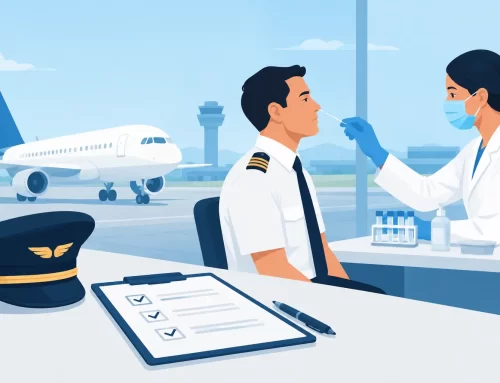
The first question is not price. It is scope. You need to know whether the provider supports your DOT agency requirements and whether its service model matches your operation. FMCSA, FAA, FTA, FRA, USCG, and PHMSA programs share common ground, but they are not identical in practice.
Ask how random pools are managed, how notifications are handled, and what happens when an employee is unavailable or a test cannot be completed as scheduled. Ask whether they support Clearinghouse queries and annual tasks if you are under FMCSA. Ask who manages follow-up schedules when a Substance Abuse Professional process is involved. The quality of those answers tells you more than a brochure will.
Collection site access is another major factor. A provider with broad site availability across the US and Canada can reduce delays, especially for mobile workforces and cross-border operations. WOOTS, for example, supports employers through a network of more than 20,000 collection sites across North America, which is the kind of practical coverage that matters when employees are on the road.
Technology also deserves scrutiny, but it should be judged by usefulness, not features alone. Online portals, reporting access, and document storage are valuable if they save time and improve visibility. They are less valuable if they create confusion or require constant troubleshooting.
Common mistakes when choosing a provider
One common mistake is assuming every C/TPA provides full compliance management. Some do not. They may coordinate tests but leave key tasks, such as policy administration, supervisor training tracking, or record retention, largely with the employer.
Another mistake is choosing based on lowest cost without considering service reliability. A cheaper option can become expensive if your team spends extra time chasing paperwork, resolving billing errors, or handling urgent events without support. In regulated environments, service failures rarely stay administrative. They affect operations, safety, and legal exposure.
Employers also sometimes overlook responsiveness. A provider may perform well during onboarding but become difficult to reach when a real issue happens. That is a serious problem in post-accident and reasonable suspicion situations, where delay can weaken compliance and create confusion at the site level.
It depends on your operation size and complexity
For an owner-operator, the best DOT consortium third party administrator is often one that keeps enrollment simple, handles random pool participation correctly, and provides quick access to documentation. That client usually does not need layers of customization. They need reliability and clear direction.
For a fleet with multiple locations, needs are different. Reporting structure, designated employer representative support, site consistency, and training coordination become more important. A larger employer may also need custom reporting, multiple testing workflows, and better visibility into open items across the business.
Cross-border employers have another layer to consider. If your company operates in both the US and Canada, you may need a provider that understands regulated DOT requirements while also supporting non-DOT workplace testing standards for Canadian operations. That kind of alignment can reduce vendor sprawl and make program oversight easier.
The real value is control, not outsourcing for its own sake
The best reason to use a C/TPA is not to hand off responsibility and forget about it. It is to build a controlled, documented, repeatable program with fewer gaps.
That means better visibility into who was selected, which tests were completed, what records are current, and what actions still need follow-up. It means supervisors know what to do, managers know who to call, and your business is less likely to scramble when a regulator asks questions or an incident happens without warning.
A DOT testing program works best when administration is proactive instead of reactive. The right consortium and third party administrator helps create that structure, especially for employers balancing safety, staffing, and day-to-day operational pressure.
If you are reviewing providers, focus less on promises and more on execution. Ask how they handle urgent events, how they document every step, and how they support your specific DOT mode. A dependable partner should make compliance easier to manage, easier to verify, and much harder to miss when timing matters most.




Leave A Comment