

A missed random test notice can put an owner-operator’s livelihood on hold fast. The best consortium services for owner operators do more than add a driver to a random testing pool. They provide the structure, records, testing access, and responsive support needed to keep a DOT drug and alcohol program compliant when you are managing every other part of the business yourself.
For CDL owner-operators subject to FMCSA drug and alcohol testing rules, joining a compliant consortium is not optional. Even if you are the only driver in your company, you must be part of a random testing program. The right consortium and third-party administrator, or C/TPA, reduces administrative burden without leaving you to guess what is required.
What a Consortium Service Should Handle
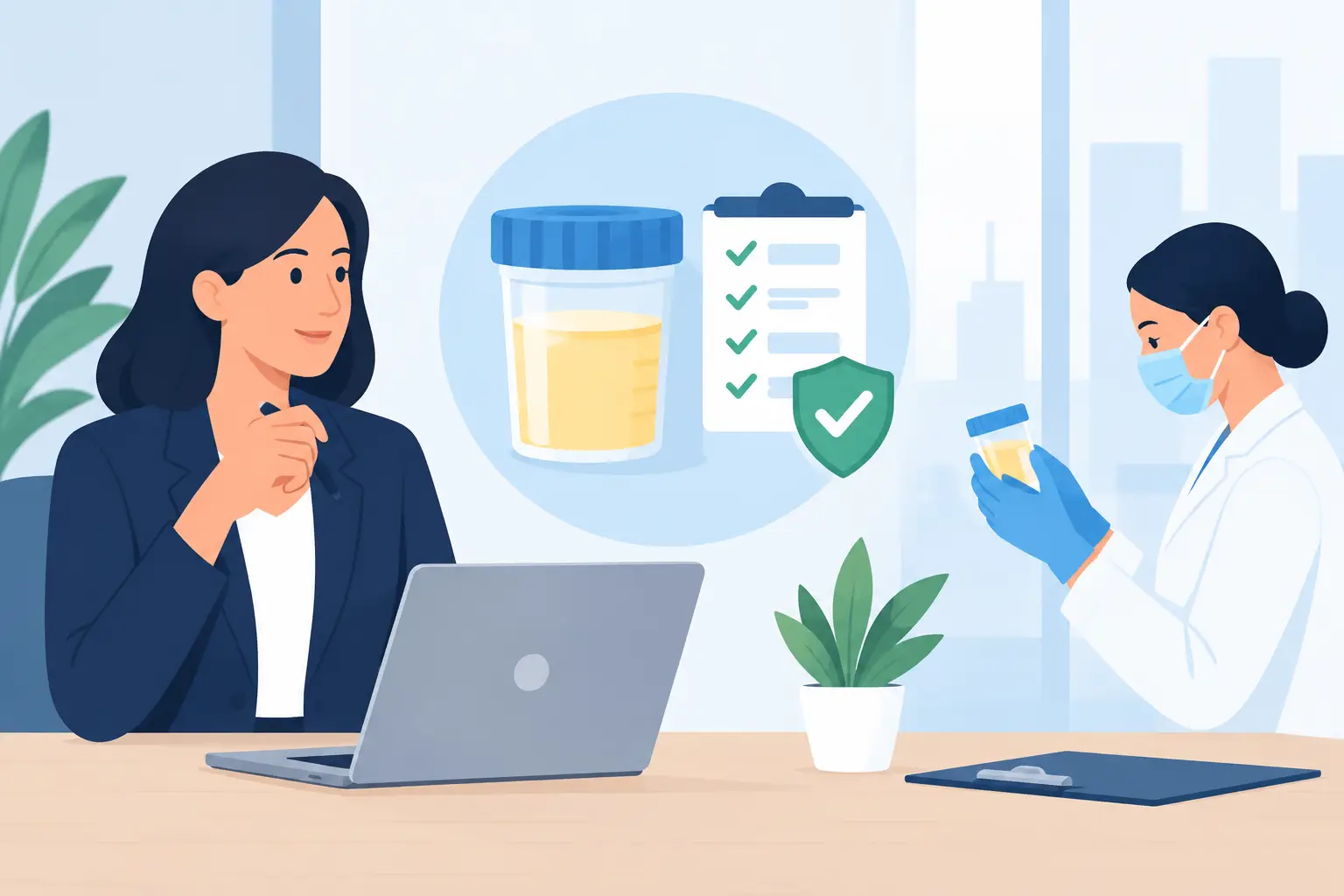
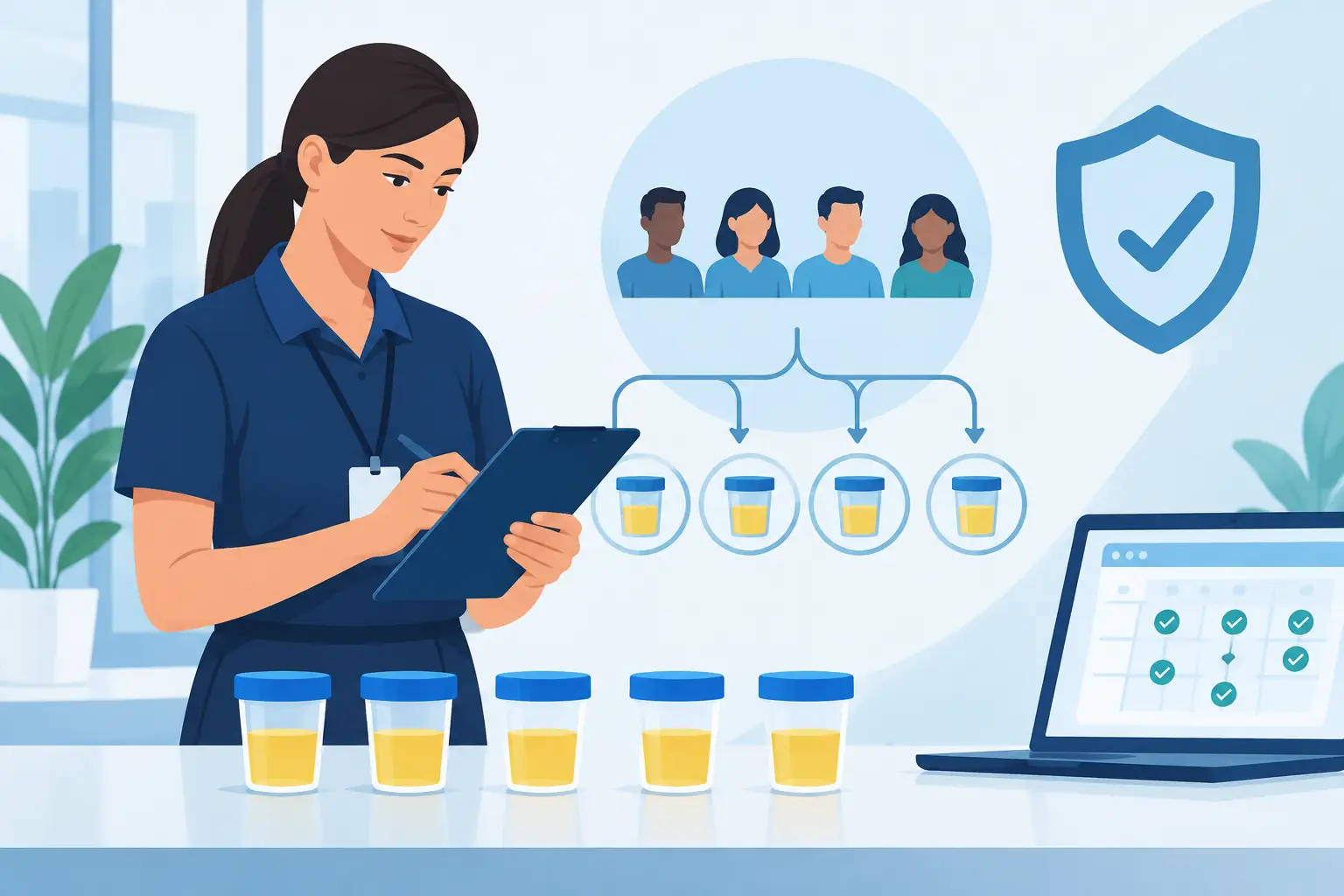
A consortium is a group of drivers enrolled in a shared random drug and alcohol testing pool. A C/TPA administers that pool and may coordinate testing, maintain records, support reporting, and help manage related compliance requirements. Some providers use the terms interchangeably, but the services behind the name matter more than the label.
At a minimum, an FMCSA owner-operator needs a program that supports required random testing selections, pre-employment testing when applicable, and the documentation needed to demonstrate compliance. The program should also give the driver clear instructions when selected. A random test is time-sensitive. Confusing directions, limited collection access, or a provider that cannot be reached outside regular business hours can create an avoidable compliance problem.
A capable provider also understands that an owner-operator’s needs are different from those of a large fleet. You may not have a safety department, payroll team, or compliance manager checking deadlines. Your consortium service should make the next required action clear and provide records that are easy to retrieve when a customer, auditor, or regulator asks for them.
How to Compare the Best Consortium Services for Owner Operators
Price matters, especially for a one-truck operation, but the lowest enrollment fee can become expensive if it excludes essentials. Before enrolling, confirm what the service actually includes and what triggers additional charges. Ask whether random pool administration, test scheduling support, result reporting, records access, Clearinghouse assistance, and after-hours help are included in the quoted price.
Random pool administration that meets FMCSA requirements
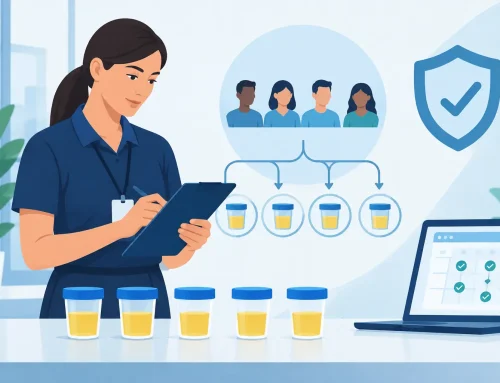
Your provider should administer a DOT-compliant random pool for the correct agency, which is usually FMCSA for commercial motor vehicle drivers. The pool must meet the applicable annual random testing rates and selection requirements. Drivers must have an equal chance of being selected throughout the year, and selections must be scientifically valid and unpredictable.
Do not assume an enrollment certificate alone proves an active, compliant program. Ask how the provider documents your enrollment, selections, completed tests, refusals, and any follow-up actions. Clear records are especially valuable if you change carriers, face an audit, or need to verify your testing history.
Convenient collection site access
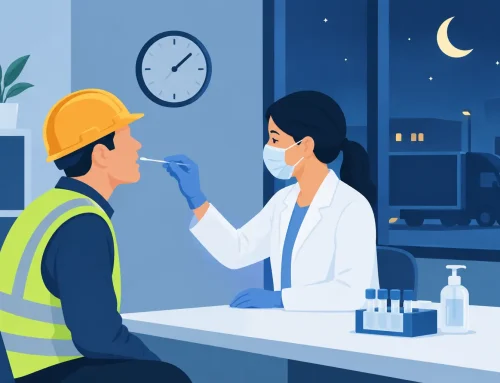
A nationwide collection network is a practical requirement for drivers who run irregular routes. If you are selected while away from home, you need a collection site that can complete the correct DOT test without sending you hours out of route. Look for broad coverage, straightforward site lookup, and support when a listed site is unavailable or cannot perform the needed service.
Collection access is also critical after an accident. FMCSA post-accident testing requirements depend on the circumstances of the crash, including whether a citation is issued and whether there is a fatality, bodily injury requiring immediate medical treatment away from the scene, or disabling damage requiring a vehicle to be towed. Your provider should be able to help you locate testing promptly when testing is required. It should not make legal determinations for you, but it should provide practical, timely direction on the testing process.
Clearinghouse support without confusion
FMCSA-regulated employers have Clearinghouse responsibilities, and owner-operators are not exempt simply because they operate independently. The right service can help explain employer registration, query requirements, consent steps, and recordkeeping responsibilities.
Be careful with providers that describe Clearinghouse support in vague terms. Ask exactly what they will do and what remains your responsibility. A C/TPA may assist with certain administrative tasks when properly designated, but you remain responsible for making sure required queries and reporting obligations are completed. The best arrangement is transparent: you know what has been handled, what needs your approval, and what deadlines remain.
Fast help when the situation cannot wait
Testing issues rarely arrive at a convenient time. A random selection may occur while you are at a shipper, a post-accident decision may be needed late at night, or a collector may need clarification about an order. Responsive support is a service feature, not a luxury.
Ask whether after-hours assistance is available and whether it comes with additional fees. Also ask what happens when a driver cannot locate a site, a site is closed, or an electronic form is not received. A provider’s answer should be operational and specific, not simply a promise that someone will call back.
Records you can actually use
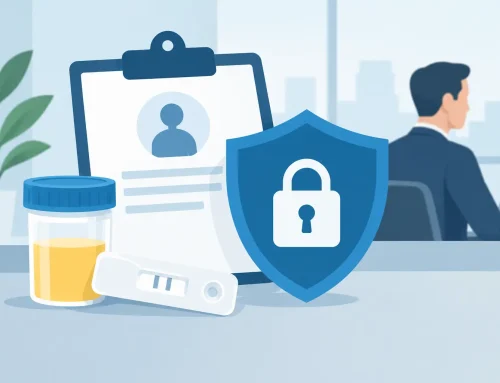
A compliant program produces documentation. A useful program organizes it. Your provider should offer secure online access to enrollment status, random selection notices, completed test results, and program reports. These records should be clear enough to share with an auditor or retain in your own compliance file without spending hours sorting through emails.
Reporting quality becomes more important as your operation grows. If you add drivers, lease operators, or move into a carrier structure with multiple safety-sensitive employees, your reporting needs may change. Choose a service that can support the operation you have now without forcing a disruptive switch later.
Questions to Ask Before You Enroll
A short conversation before enrollment can reveal whether a provider is prepared to support your operation. Ask whether the program is specifically designed for FMCSA-regulated owner-operators, how random selections are delivered, and what you must do immediately after receiving one. Confirm whether collection site access is available on your typical lanes, not just near your home terminal.
You should also ask who monitors required actions, how records are delivered, and how long they are retained. If Clearinghouse support is offered, request a plain-language explanation of the provider’s role and your role. Finally, ask for a full description of charges for enrollment, random tests, pre-employment tests, post-accident coordination, alcohol testing, and after-hours assistance.
The goal is not to find a provider that claims to handle everything without your involvement. That claim should raise questions. The goal is to find a compliance partner that handles the administrative work accurately, tells you what requires your action, and remains available when a testing event disrupts your day.
Common Mistakes Owner-Operators Can Avoid
One common mistake is enrolling in a consortium but failing to keep contact information current. If a provider cannot reach you for a random selection, the consequences can be serious. Keep your phone number, email address, and preferred notification method current, and check messages consistently.
Another is treating a random selection as flexible. A selected driver must report for testing promptly as directed. Delays, departures from the collection site, or failure to follow instructions may be treated as a refusal, depending on the circumstances. If a real barrier arises, contact the program administrator immediately and document what happened.
Owner-operators also sometimes overlook the difference between DOT and non-DOT testing. A non-DOT panel does not satisfy FMCSA drug and alcohol testing requirements. Make sure every order, form, and collection process is designated correctly before testing begins.
Finally, do not wait for a crash, a roadside question, or an audit to locate your records. Review your enrollment confirmation and program access when you join. Know where to find the support number, collection site locator, and compliance documents before you need them.
A Practical Standard for Choosing a Provider
The right consortium service should make compliance easier to manage, not harder to understand. It should provide a valid FMCSA random pool, accessible testing locations, reliable documentation, meaningful Clearinghouse support, and real help when timing matters. Those basics protect your authority, your schedule, and your ability to keep working.
WOOTS supports DOT-regulated owner-operators with program administration, collection access across North America, online reporting, and after-hours service designed for situations that cannot wait. Before you enroll anywhere, compare the actual support behind the service. A compliant program is strongest when you can act quickly, find the right records, and get a clear answer when the road does not go according to plan.



Leave A Comment