

When a supervisor is dealing with a post-accident event, a reasonable suspicion concern, or a time-sensitive hiring decision, waiting days for an initial result can create real operational pressure. That is where point of care drug testing workplace programs can help. Used correctly, they give employers a faster screening option while still requiring clear policy language, trained administration, and a reliable process for confirmatory testing when needed.
For employers in transportation, construction, manufacturing, logistics, warehousing, and other safety-sensitive environments, speed matters. So does defensibility. A rapid test that is poorly managed can create almost as many problems as no test at all. The real question is not whether point of care testing is fast. It is whether it fits your regulatory obligations, your workforce, and your decision-making process.
What point of care drug testing workplace programs actually do
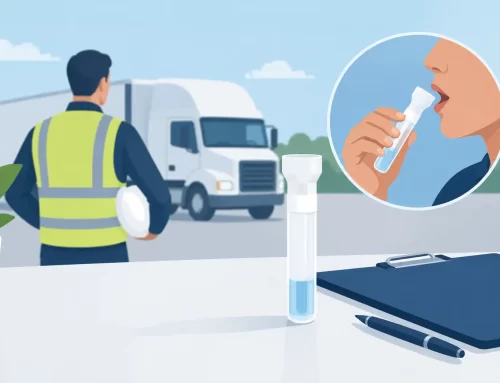
Point of care drug testing workplace programs use rapid testing devices at or near the collection site, rather than sending every specimen to a laboratory for the initial screen. In most cases, the result is available within minutes. That can be useful when an employer needs immediate direction on next steps, especially for non-DOT testing programs.
These tests are often urine-based, though some employers also use oral fluid devices depending on their policy, testing purpose, and local legal considerations. The key distinction is that the screening happens on site. If the result is non-negative, the specimen may then need laboratory confirmation and medical review before any employment action is taken.
That last point matters. A rapid result is not the same thing as a final result in every testing program. Employers need to know where screening ends and where confirmation requirements begin.
Where point of care drug testing workplace use makes sense
The strongest use case is usually non-regulated workplace testing where the employer needs quick operational answers. A pre-employment screen for a time-sensitive role is one example. Reasonable suspicion and post-incident situations are others, particularly when the employer must act quickly to protect workers, equipment, and the public.
There are also settings where point of care testing improves access. Remote job sites, after-hours incidents, and small communities may not have immediate laboratory collection options. In those cases, a properly administered rapid test can keep the program moving while still preserving the option for follow-up lab analysis.
That said, fit depends on your program. If you are subject to US DOT rules, you cannot simply swap in a workplace rapid testing process and assume it will satisfy federal requirements. Regulated employers need to align the testing method, collection process, result handling, and documentation with the exact rules that apply to their agency and test reason.
Speed is the advantage, but not the whole story
The biggest reason employers consider point of care testing is turnaround time. A negative rapid screen can reduce hiring delays, minimize downtime after an incident, and help supervisors move from uncertainty to action faster. That can be valuable in high-volume hiring or 24-hour operations where waiting for a basic screen affects schedules and staffing.
But speed only helps if the process is controlled. Chain of custody, device quality, expiration dates, collector training, documentation standards, and result reporting all affect whether the result will stand up to scrutiny. If any of those pieces are weak, a fast answer can become a compliance problem.
There is also the employee relations side. Rapid testing can feel more immediate and more personal than sending a specimen to a lab. Employers need a consistent process, a respectful collection environment, and supervisors who understand both policy and privacy expectations. Testing should support a safe workplace, not create unnecessary conflict.
The compliance issues employers cannot ignore
The most common mistake with point of care programs is treating them as simple. They are operationally convenient, but they still sit inside a legal and policy framework. That framework may include federal rules, state laws, collective bargaining terms, privacy obligations, and employer-specific testing policies.
For non-DOT employers, policy language needs to be specific. It should state when point of care testing may be used, what panel is being tested, how non-negative results are handled, whether confirmation testing is required, and who is authorized to receive and act on results. If your policy is vague, your testing program becomes harder to defend.
For DOT-regulated employers, the issue is even more direct. A DOT program has strict standards for collections, laboratory analysis, medical review, and documentation. Employers should not assume a rapid workplace test can replace those requirements. If a test falls under DOT rules, it must be managed under DOT rules.
This is where experienced program administration matters. A testing partner should be able to separate DOT and non-DOT workflows, support post-accident response, document the right steps, and keep the employer from using the wrong process for the wrong test event.
Training matters more than the device
A common buying mistake is focusing on the test kit first. The device matters, but the bigger issue is who is using it and how. Even a reliable rapid test can become a weak point if the collector has not been trained to follow procedure.
Collectors and supervisors need to know how to verify identity, explain the process, maintain chain of custody, read the device at the correct time, document results, secure specimens for confirmation, and escalate issues when something does not look right. They also need to know what not to do, especially around observation, employee discussions, and premature conclusions.
Supervisors should never treat a non-negative rapid result as a license to make instant assumptions. Depending on the program, the next step may be laboratory confirmation and medical review. That protects the employer and the employee by making sure the final determination is based on a complete process.
Choosing between rapid testing and laboratory testing
This is not always an either-or decision. Many employers benefit from using both.
Point of care testing is often best when immediate screening value is high and the employer has a clear confirmation process behind it. Laboratory testing is often better when legal defensibility, expanded analytical review, or regulated compliance is the priority from the start.
A blended model can work well. An employer may use lab-based testing for DOT events and use rapid testing in selected non-DOT situations where fast screening supports operations. Another employer may reserve rapid testing for remote sites or after-hours incidents while keeping standard hiring flows with laboratory collections.
The right model depends on your industry, geography, hiring volume, incident exposure, and policy structure. It also depends on whether your internal team can manage documentation accurately. If not, outsourcing administration is often the safer path.
Questions to ask before you implement a program
Before launching a point of care drug testing workplace process, employers should ask a few practical questions. Is this for DOT, non-DOT, or both? Who will administer the test? What happens after a non-negative result? How will records be stored? Who ensures the device inventory is current and the procedures remain aligned with policy?
If those answers are not clear, the program is not ready. Fast testing works best when the back end is already organized.
That includes after-hours support. Incidents do not wait for business hours, and neither do many post-accident or reasonable suspicion events. Employers need a response plan that covers who to call, where testing will happen, how the collection will be documented, and how results will move to the right decision-makers.
A service partner with broad site access, trained collections support, and compliance oversight can close those gaps. For multi-state or cross-border operations, that support becomes even more important because testing rules, logistics, and documentation needs can vary quickly.
A practical standard for employers
Point of care testing is not a shortcut. It is a tool. Used well, it helps employers act faster without losing control of the process. Used poorly, it creates policy gaps, inconsistent decisions, and unnecessary risk.
The standard should be simple: use rapid testing only where it fits your rules, your policy, and your operations. Build the program around training, confirmation procedures, documentation, and access to support. If your workplace testing process would not hold up during an audit, grievance, or legal review, it needs work before the next test is scheduled.
For employers managing safety-sensitive work, the goal is not just a quick result. The goal is a testing program that is fast when it can be, careful when it must be, and dependable every time.







Leave A Comment