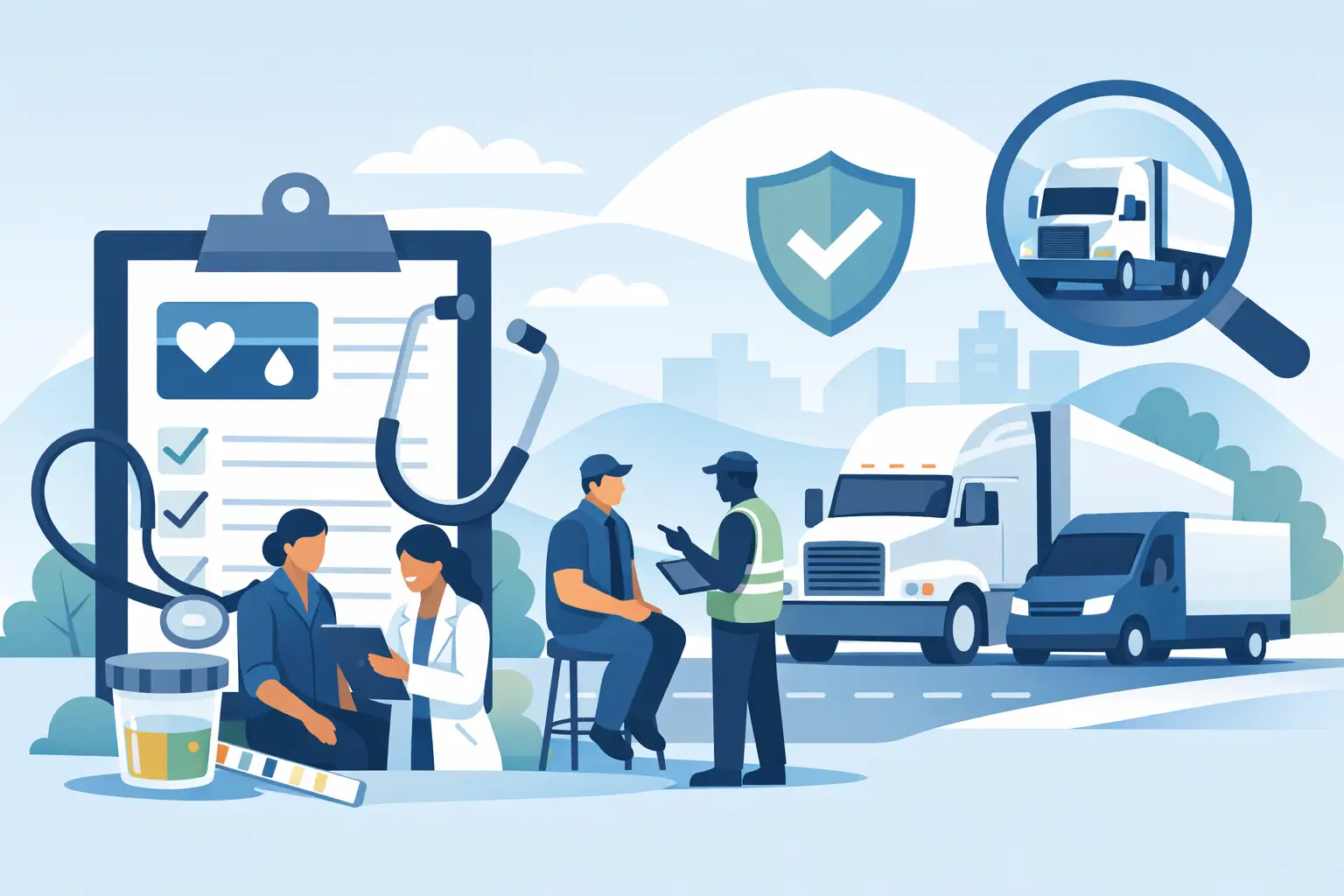
A missed random test, an incomplete custody and control form, or a delayed post-accident decision can put a transportation operation in a difficult position fast. DOT compliance testing services give employers a structured way to manage drug and alcohol testing obligations without relying on spreadsheets, scattered clinic contacts, or last-minute decisions.
For fleet operators, owner-operators, HR teams, and safety managers, the goal is not simply to order a test. The goal is to maintain a program that stands up to an audit, supports safe operations, and gives supervisors a clear process when an event occurs.
What DOT Compliance Testing Services Cover
DOT testing programs apply to employees performing safety-sensitive functions under one or more federal transportation agencies. These can include FMCSA-regulated commercial drivers, FAA-covered aviation employees, FTA transit workers, FRA railroad personnel, PHMSA pipeline employees, and USCG maritime workers.
Each agency has its own testing rates, recordkeeping rules, post-accident thresholds, and program details. The core federal drug and alcohol testing rules are closely related, but an employer should not assume that one agency’s requirements automatically apply to another. A company with mixed operations may need separate testing pools and reporting for different regulated groups.
A qualified service provider coordinates the operational pieces of the program: random testing administration, collection site access, laboratory processing, medical review officer coordination, alcohol testing, reporting, and documentation support. Many employers also need help with policy development, supervisor training, Clearinghouse responsibilities, and post-accident response.
The right scope depends on the operation. A small owner-operator may need consortium enrollment and dependable collection access. A national carrier may need agency-specific pools, customized reports, centralized billing, and support for hundreds of drivers across multiple terminals.
The Core Elements of a Compliant Program
A DOT program has to work every day, not only when an audit is scheduled. That means the program needs defined procedures, responsible contacts, accurate employee data, and a reliable response process.
Random testing administration
Random testing must be scientifically valid, unannounced, and completed at the required annual rates for the applicable agency. Employees selected for a random test must proceed immediately to the collection site once notified, with only limited exceptions for safety-sensitive duties or other permitted circumstances.
Random selection is one area where administrative shortcuts create unnecessary exposure. Choosing employees manually, allowing predictable testing patterns, or carrying missed selections into a later period without proper action can undermine the program. A consortium or third-party administrator can manage selections and notifications while providing records that show the selection process was compliant.
Collection, laboratory, and medical review coordination
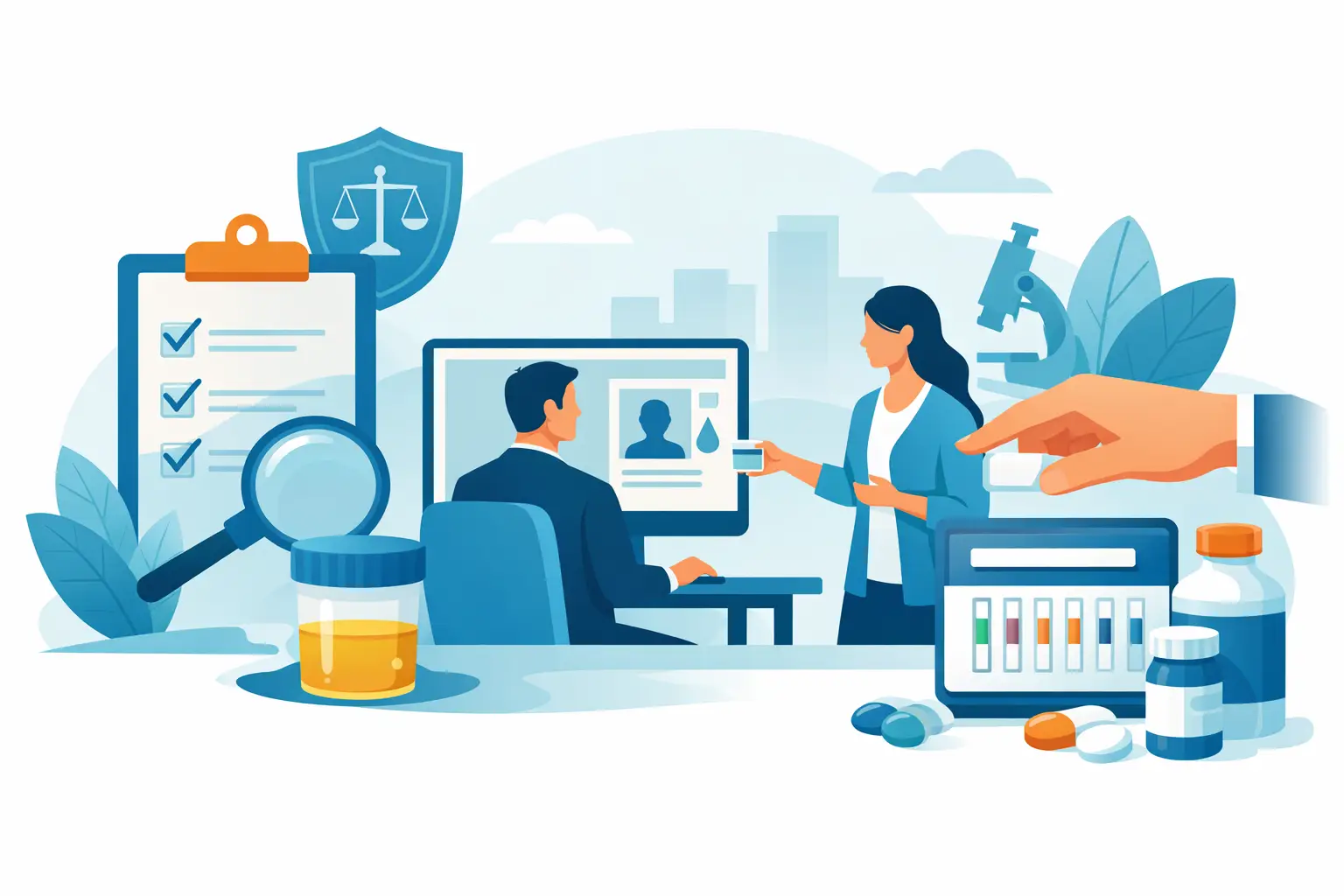
DOT urine drug testing follows strict chain-of-custody procedures. Alcohol testing has its own equipment, training, and documentation requirements. The collection process matters because a technically correct result can still create a problem if paperwork, specimen handling, or required steps are incomplete.
Employers need access to qualified collection sites where and when their workers need testing. For operations with drivers on the road, geographic coverage is more than a convenience. It can determine whether a random test is completed within the required window or whether a post-accident test can be arranged promptly.
Laboratory testing and medical review are equally important. A Medical Review Officer evaluates non-negative drug test results and determines whether there is a legitimate medical explanation before verifying a final result. Employers should receive clear status updates while preserving the confidentiality required for testing information.
Required testing situations
A compliant program addresses more than random testing. Depending on the DOT agency and circumstances, testing may be required before an employee first performs a safety-sensitive function, after certain accidents, when there is reasonable suspicion, following a violation, and as part of the return-to-duty and follow-up process.
Post-accident testing is especially time-sensitive. The applicable agency rules determine whether testing is required, and those rules may rely on factors such as injuries requiring immediate medical treatment away from the scene, fatalities, vehicle towing, citations, or the type of transportation event. Supervisors should know whom to call and what information to gather before an event occurs. Waiting until the incident is underway is not a workable plan.
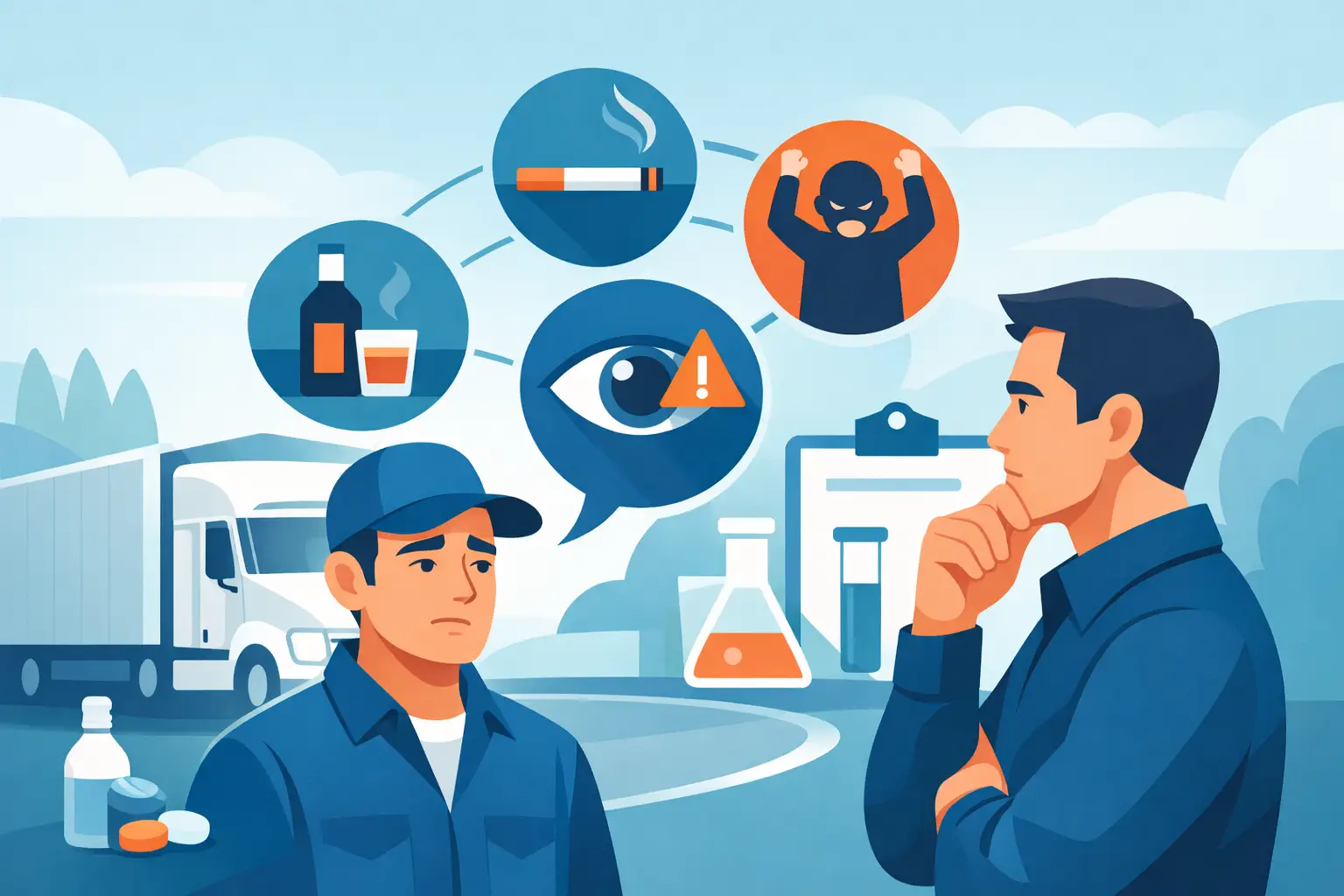
Reasonable suspicion testing also requires preparation. Supervisors must receive the required training to recognize indicators of drug use and alcohol misuse. They must document specific, contemporaneous observations rather than relying on rumors, assumptions, or a general feeling that something is wrong.
Why Documentation Is as Important as Testing
A completed test is only one part of compliance. Employers must maintain records for the required retention periods, protect confidential information, and be able to produce program documentation when requested.
Common gaps include outdated driver rosters, missing pre-employment test records, incomplete annual summaries, undocumented refusals, and reports that combine DOT and non-DOT results without clear separation. These mistakes may look administrative, but they can complicate an audit, a legal matter, or a safety investigation.
Effective reporting gives the employer visibility into what is due, what is complete, and what needs action. This may include random selection reports, test status reports, annual MIS reporting support where applicable, positive result tracking, and agency-specific pool documentation. Customized reporting is particularly useful for companies with multiple divisions, terminals, or DOT agencies.
For FMCSA-regulated employers, Clearinghouse compliance adds another operational requirement. Employers must complete required pre-employment full queries, annual limited queries with appropriate consent, and reporting responsibilities for violations and return-to-duty status. Clearinghouse management should be integrated with hiring and driver qualification processes so a new driver is not dispatched before required steps are complete.
Choosing DOT Compliance Testing Services That Fit Your Operation
The lowest per-test price is not always the lowest-cost option. A program that lacks accessible collection sites, after-hours support, accurate reports, or responsive guidance can create downtime and internal administrative work that costs far more than the initial testing fee.
Start with the practical questions. Can your drivers access a collection site near their route or terminal? Is support available after normal business hours for an accident or urgent reasonable-suspicion situation? Can the provider separate FMCSA, FAA, FTA, FRA, USCG, and PHMSA pools when needed? Will your team receive reports that match the way you manage employees and locations?
Also consider the level of internal expertise available. A mature compliance department may only need a C/TPA to manage random testing and provide nationwide collections. A smaller employer may need end-to-end support, including policy guidance, enrollment, supervisor training, program administration, and help responding to testing events.
For Canadian employers operating non-DOT workplace programs, requirements are different. Canadian workplace testing should not be treated as a copy of a US DOT program. The testing rationale, policy language, privacy considerations, and employment-law context may differ by province, role, collective agreement, and workplace risk. A provider that supports both US DOT and Canadian employer-driven testing can help organizations keep these programs properly separated.
Build a Program Before You Need It
The best time to prepare for a post-accident test is before the accident. The best time to correct a driver roster is before a random selection. Testing programs run more smoothly when supervisors know the process, employee information is current, and the employer has a dependable point of contact for urgent situations.
WOOTS supports regulated employers with DOT program management, C/TPA services, agency-specific testing pools, training, and access to more than 20,000 collection sites across North America. Around-the-clock online access and after-hours service can help employers act quickly when a testing need cannot wait until morning.
A dependable testing program should reduce uncertainty, not add another administrative burden. Set clear procedures, keep records current, train the people who make time-sensitive decisions, and make sure your testing partner can respond when your operation needs help most.


Leave A Comment